Step-by-step guide articles on incubation and chick care.
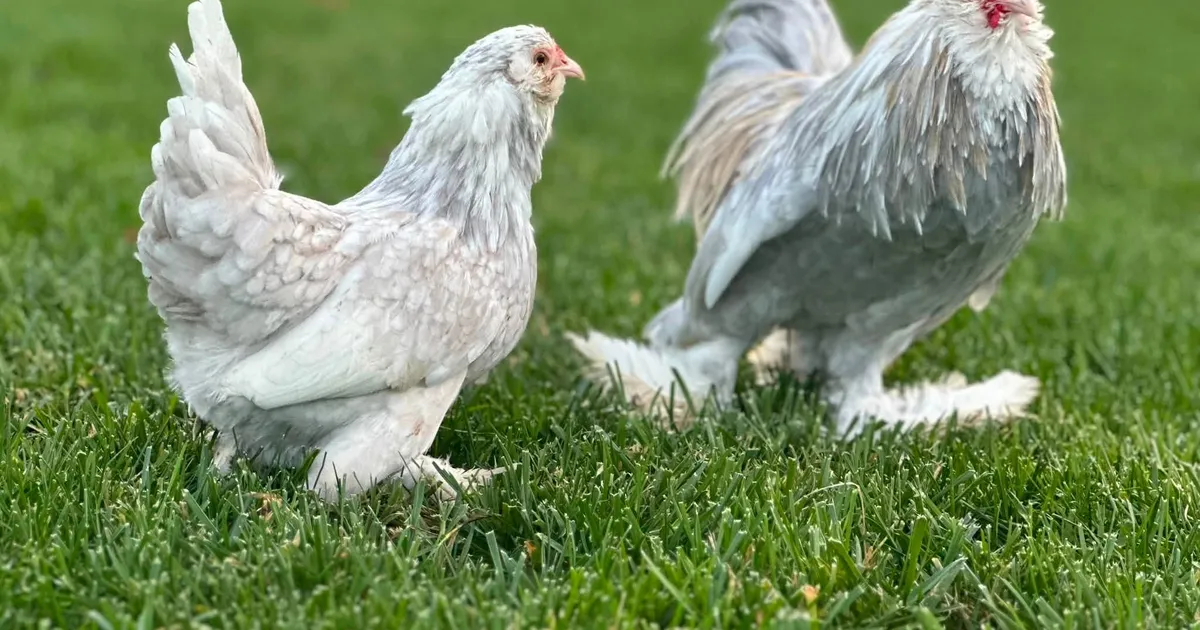
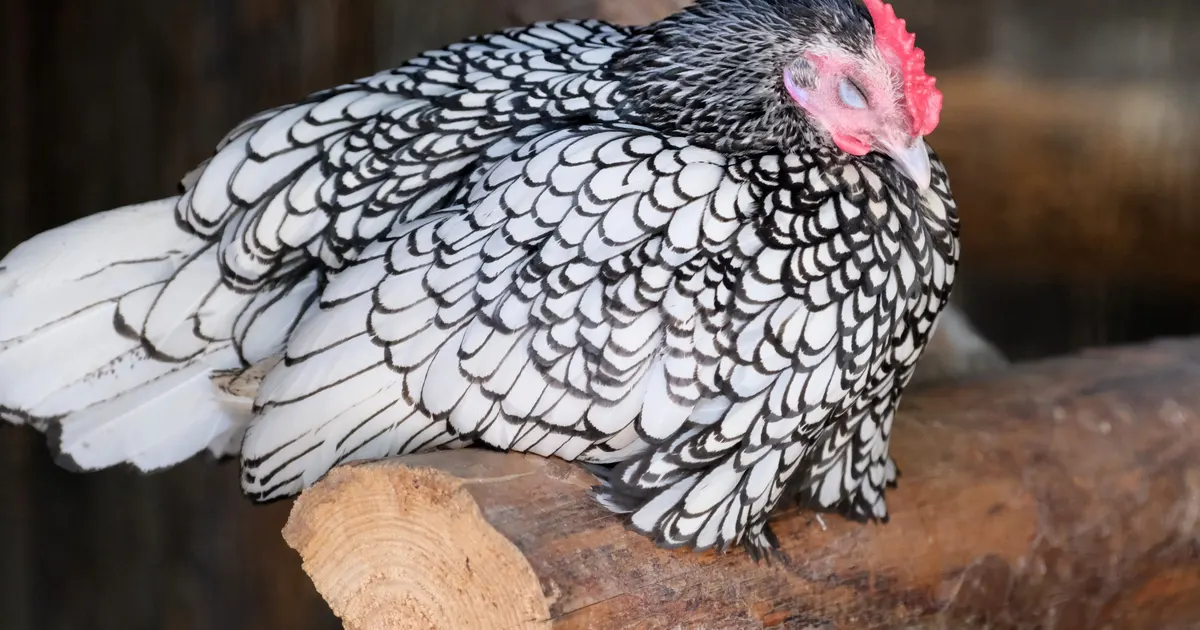
The İspenç is Turkey's native ornamental bantam: five-toed (polydactyly) and feather-legged — two rare traits in one bird. A relative of the Booted Bantam (Sabelpoot) and the Barbu d'Uccle, but a separate breed. Despite being ornamental it lays 180-200 eggs a year on only 60-65 g of feed a day; the 17 EE-recognised colours, the rose comb, a history reaching 5th-century mosaics, and foot-feathering care.
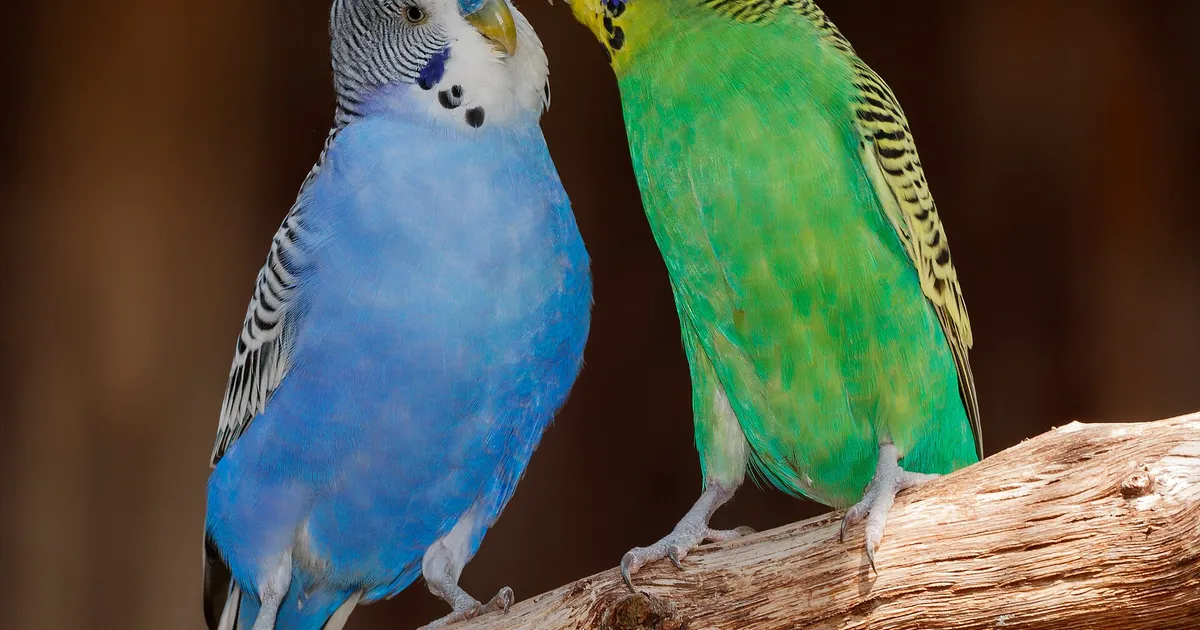
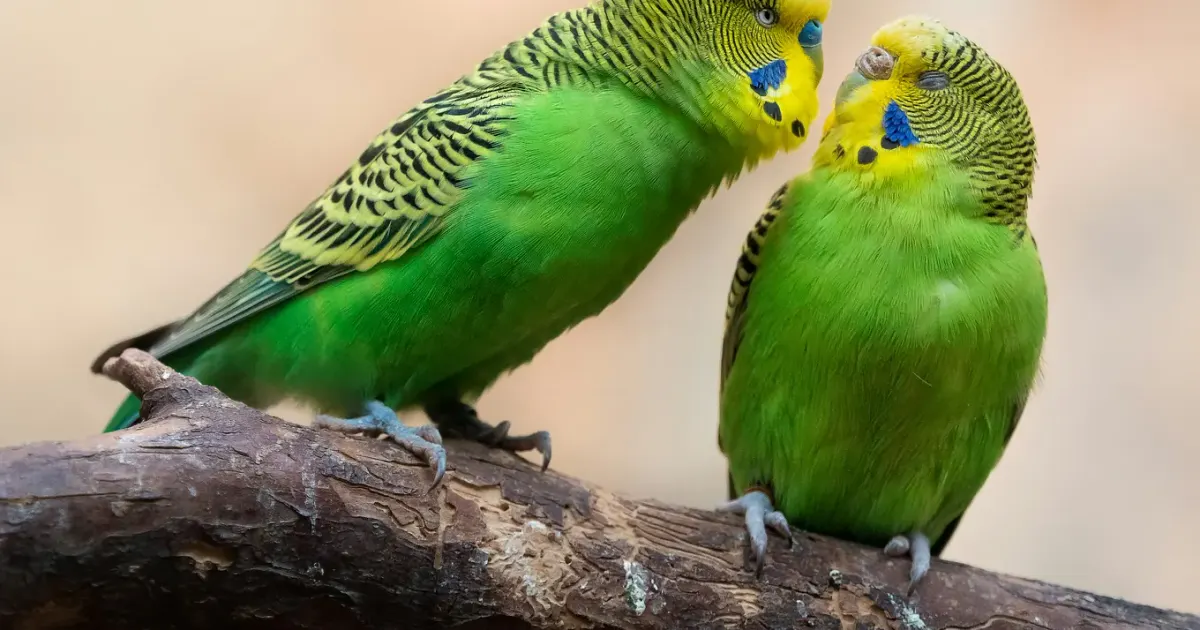
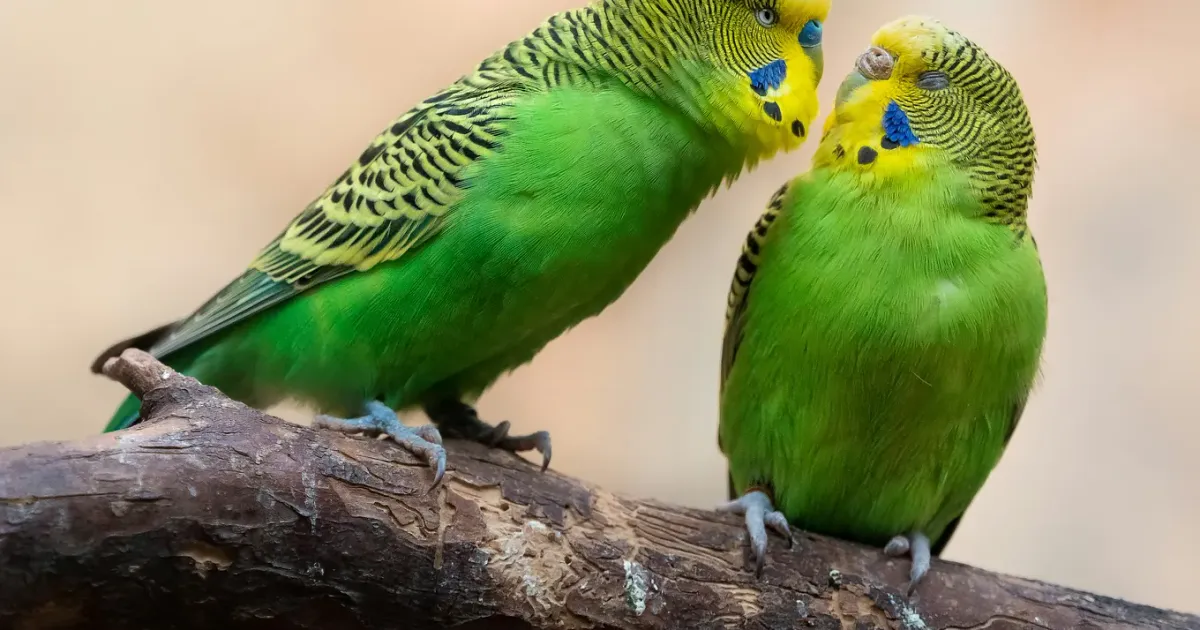
Pound for pound the budgie is the world's best talking bird (record: 1,728 words). The factors that decide talking (cock, single, young, hand-tame), mimicry with the syrinx plus context learning, teaching words before whistles, the mirror problem, the 'warble' sign, sexing by the cere (and how mutations spoil it), and the welfare balance around loneliness for the sake of talking.
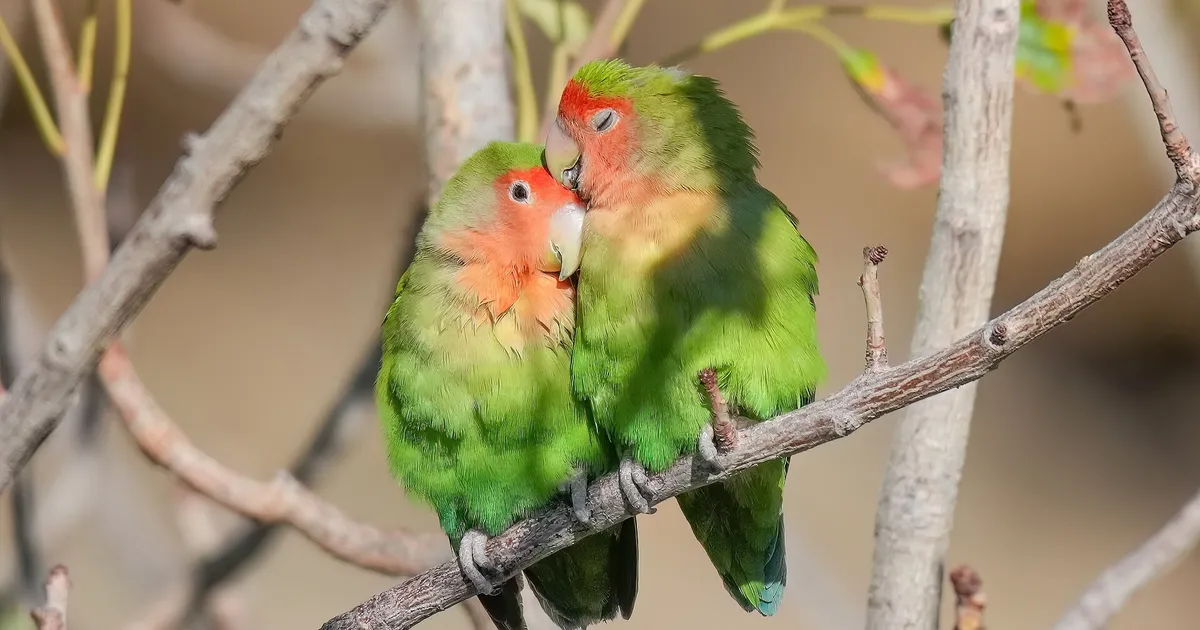
Lovebird (Agapornis) mutations follow the same three inheritance rules but add two new lessons: blue is not a simple 'present/absent' but the parblue series of several alleles at one locus (blue/aqua/turquoise blend), and mixing species produces fertile hybrids that spoil pure lines. Opaline face colour, sex-linked lutino inheritance, the dark factor and sexing.
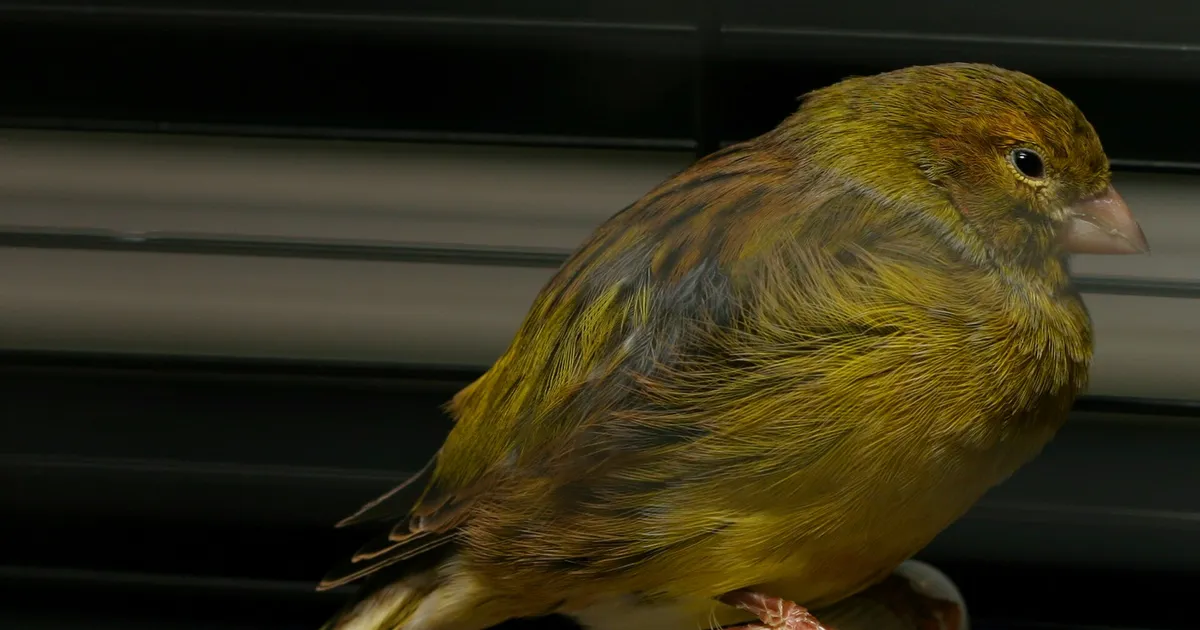
The canary is bred in three directions: song, colour, shape. Its most striking feature is two lethal dominant genes: dominant white and the crest kill the embryo in double dose — just like the Araucana ear tuft. The white × yellow and crested × plainhead pairing rule, how the red factor came from the red siskin and colour feeding, and sex-linked melanin mutations.
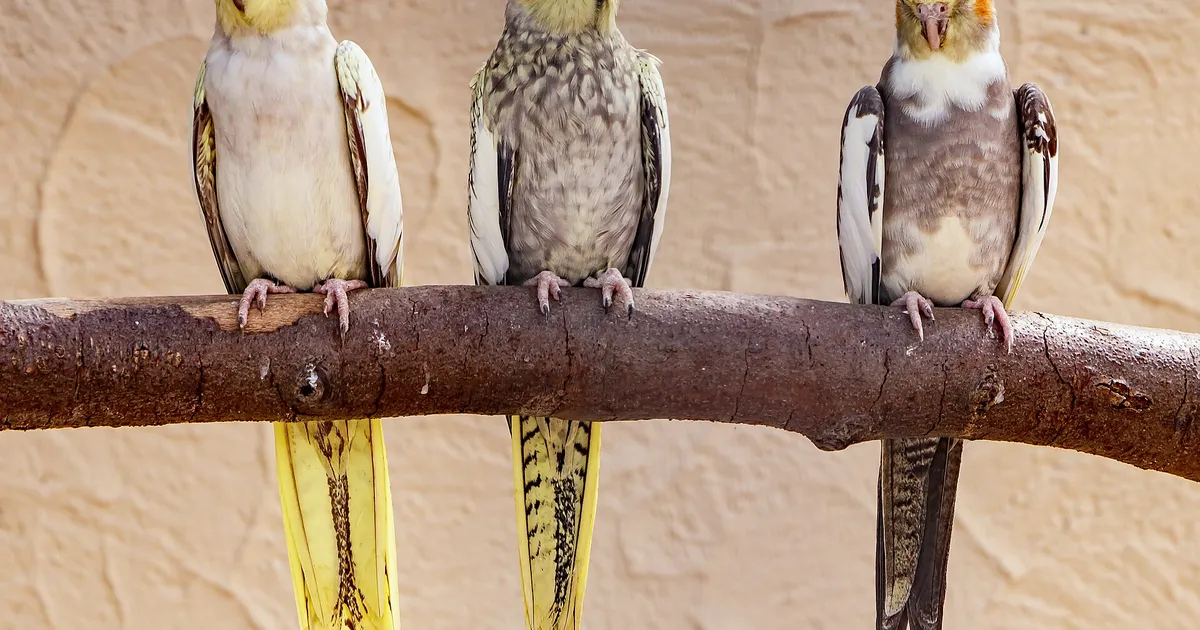
Cockatiel mutations follow the same three inheritance rules but with two twists: some colours are two mutations stacked (albino = whiteface + lutino) and mutations both hide and reveal sex. The sex difference in wild grey, whiteface, how cocks lose the pearl pattern, the lutino bald spot and sex-linked pairing.
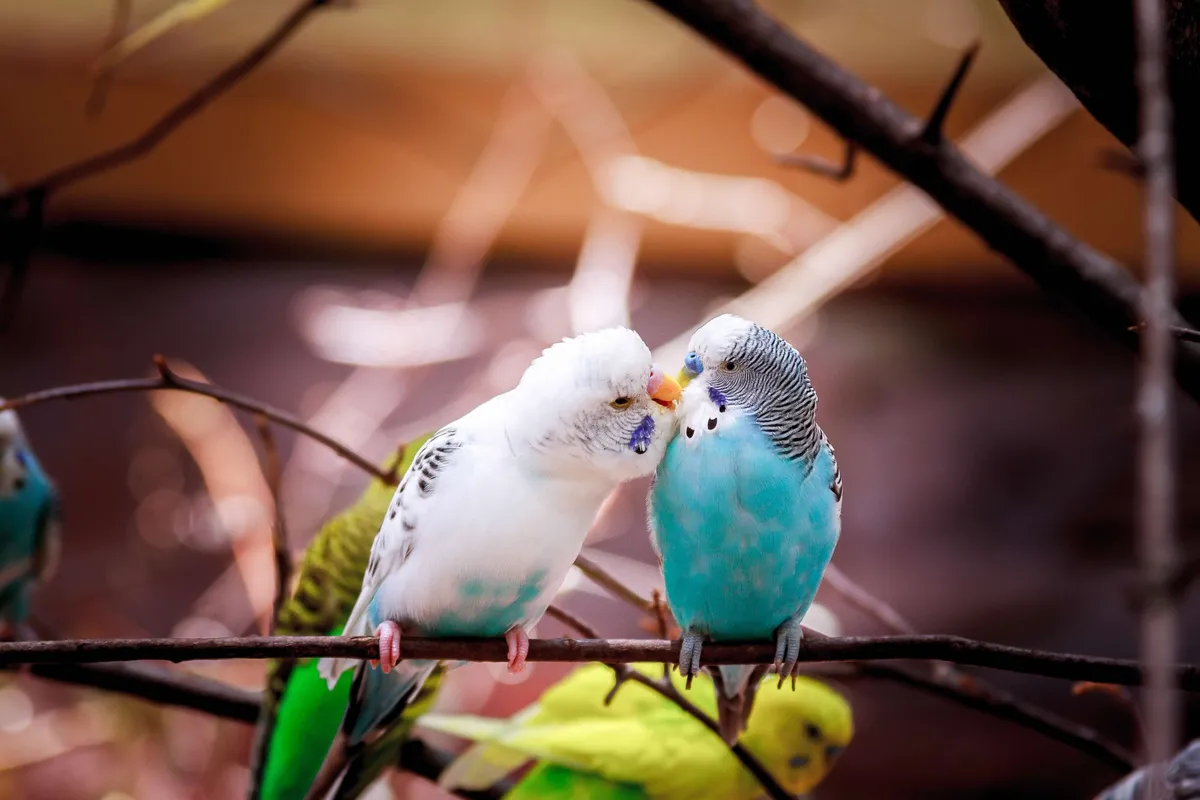
We explain the budgerigar's dozens of mutations, all derived from one wild colour (green), through three inheritance rules: recessive (blue series, the 'split' idea), dominant (grey, spangle) and sex-linked (lutino/albino, cinnamon, opaline). Reading sex from colour thanks to the ZW sex chromosome, the dark-factor table, and the health risk of inbreeding for colour.
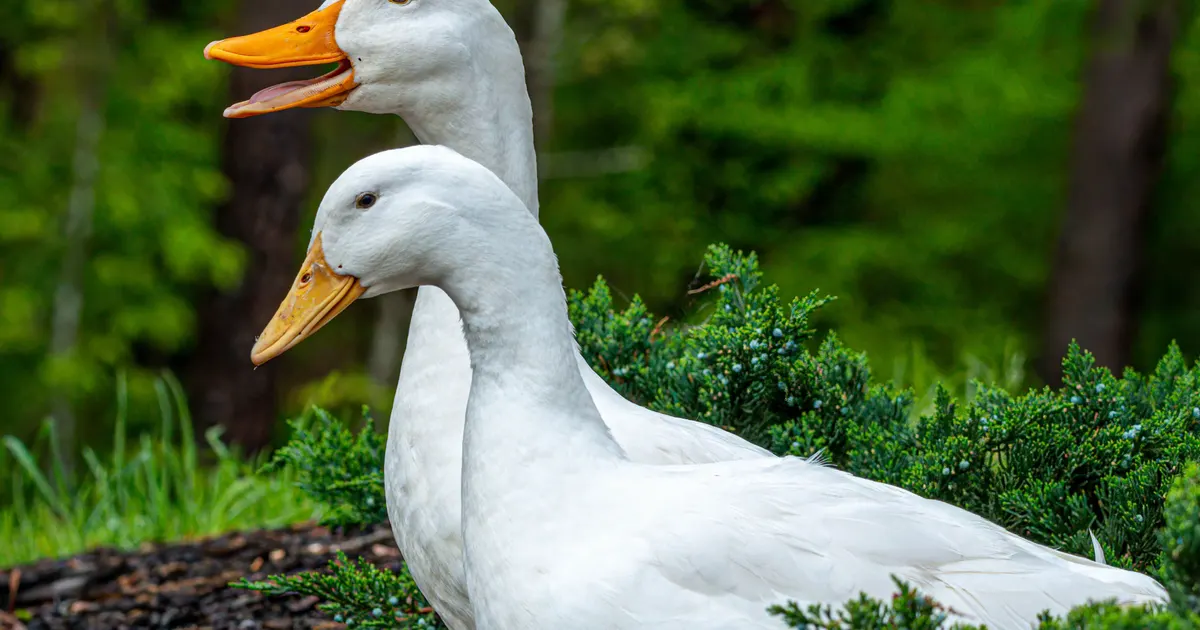
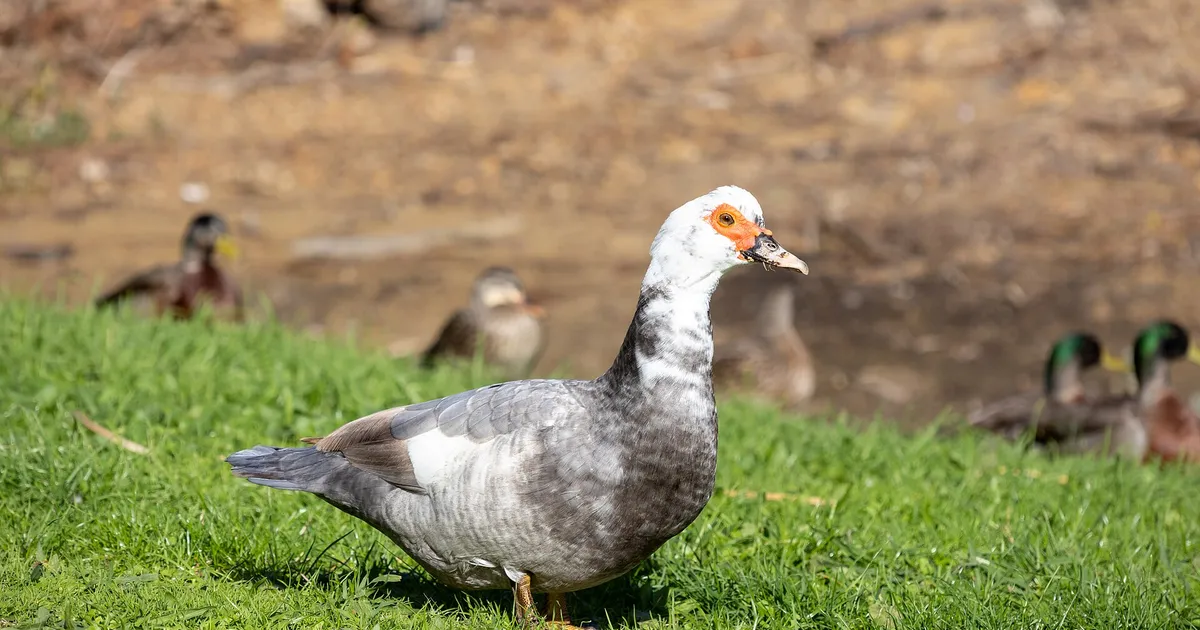
The Pekin, Khaki Campbell, Indian Runner, Rouen and Muscovy compared: a laying duck outlays a hen (250-340), the Muscovy is a SEPARATE SPECIES whose cross (the mulard) is sterile, sexing by voice and by the curled drake feather, whether you need a pond, and the niacin requirement.
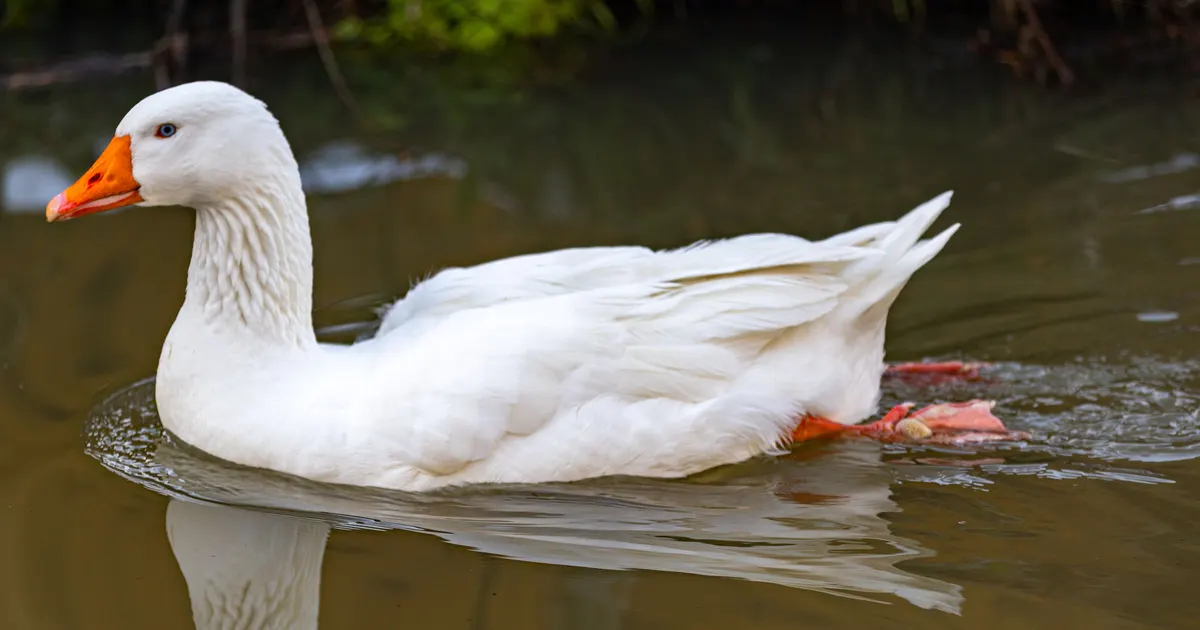
The goose is the only bird in poultry that digests grass: on pasture it takes 80% of its diet from grazing. The Embden, Toulouse, Chinese, African and Pilgrim compared; why goose eggs are seasonal (she does not lay all year), the one breed sexable on hatch day (the Pilgrim), and why the duck's sterile-mulard trap does not exist in geese.
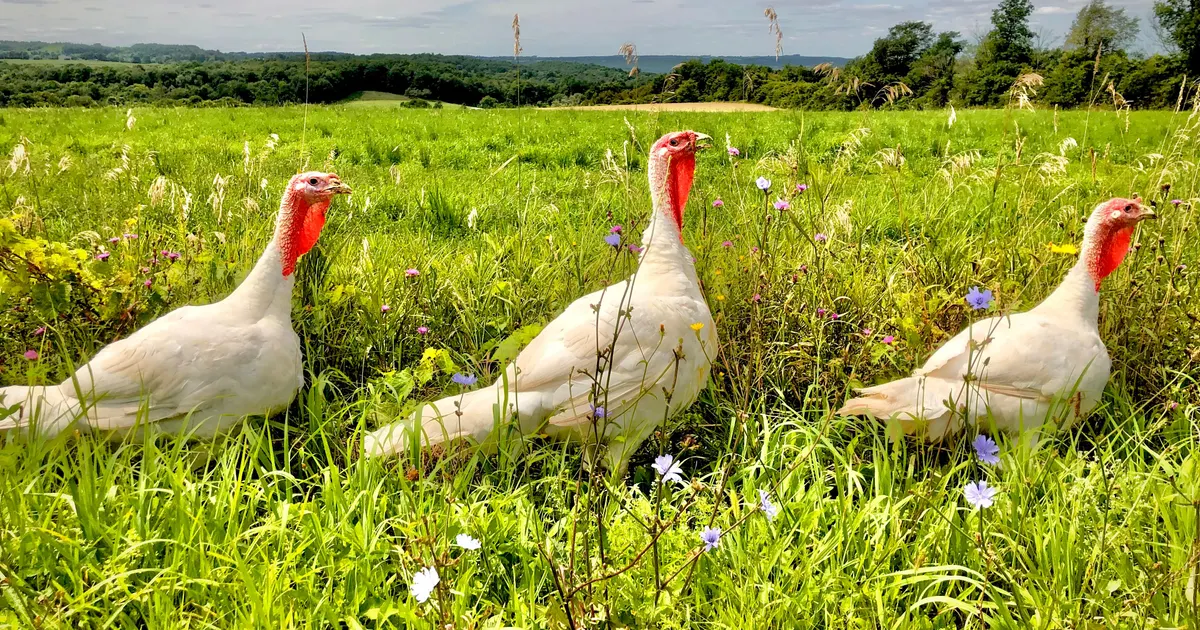
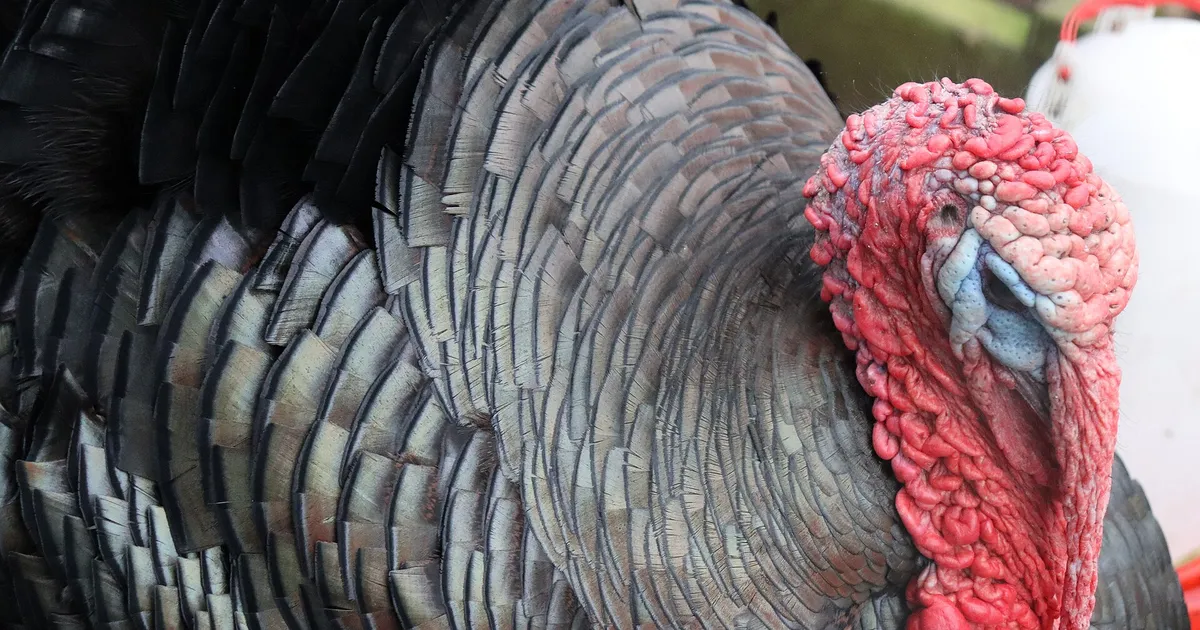
The commercial (Broad Breasted) turkey CANNOT mate naturally: its breast is so heavy that artificial insemination is required. Commercial versus heritage compared, the number-one fatal mistake in turkey keeping (raising them on chicken ground = blackhead, 50-100% mortality), why poults are so fragile, and the 28-day incubation.
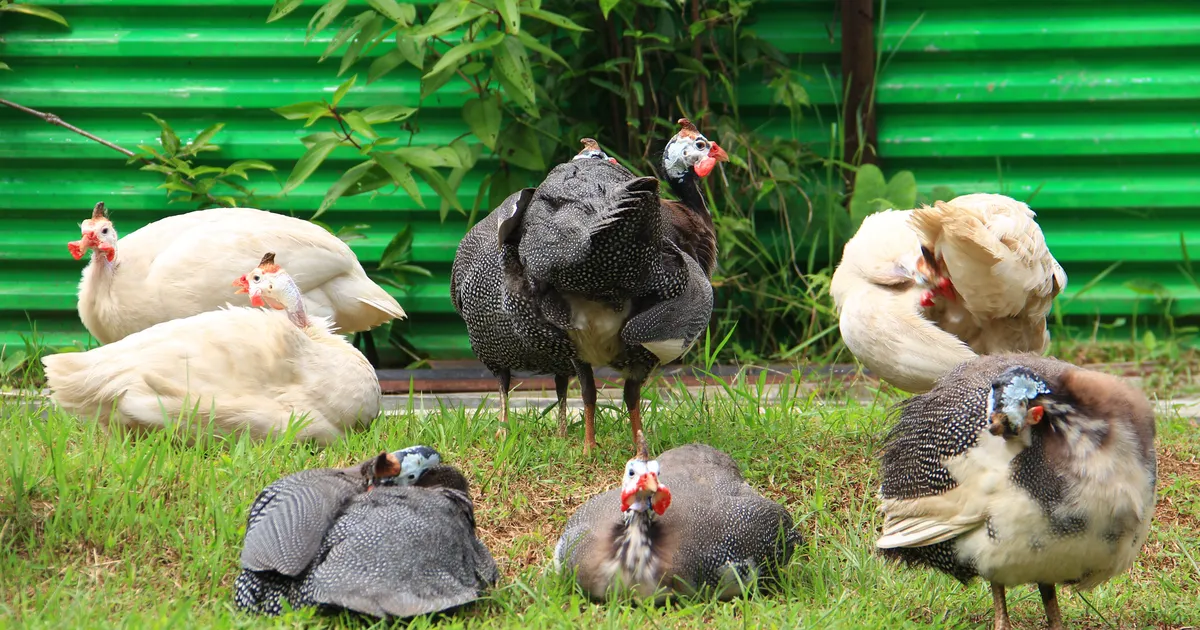
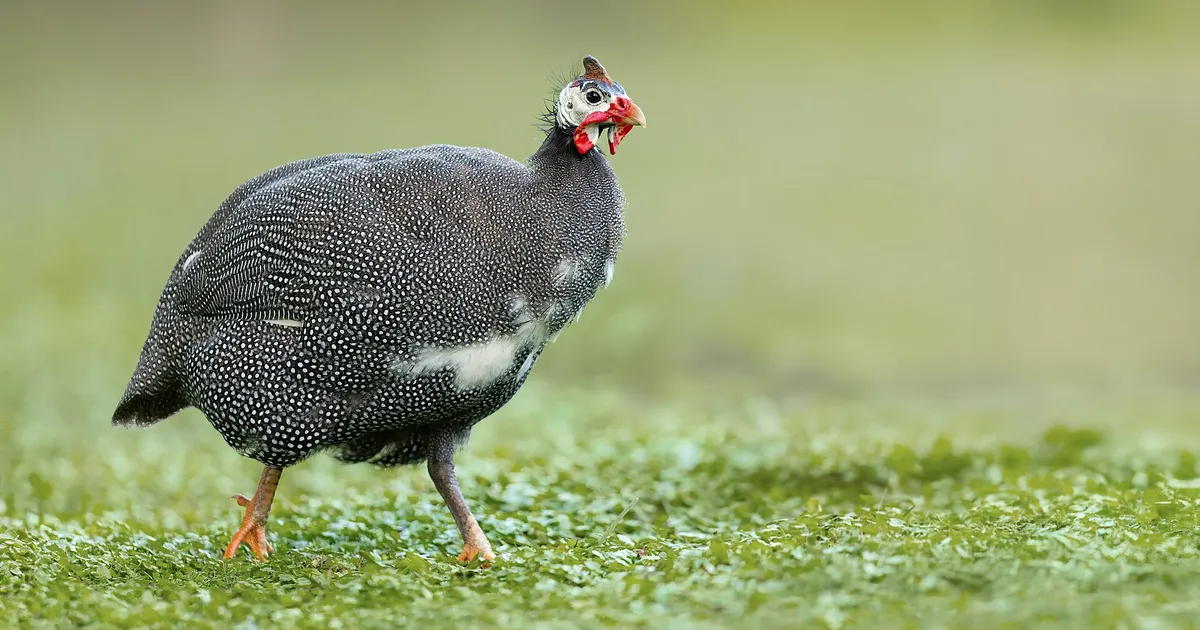
The guinea fowl without the hype: how much of the tick claim holds up (the research is mixed), why sex can be told ONLY by the call (the hen’s two-syllable note, which the cock can never make), the noise problem with neighbours, why it forages without scratching up the garden, the blackhead risk on chicken ground, and coop training.
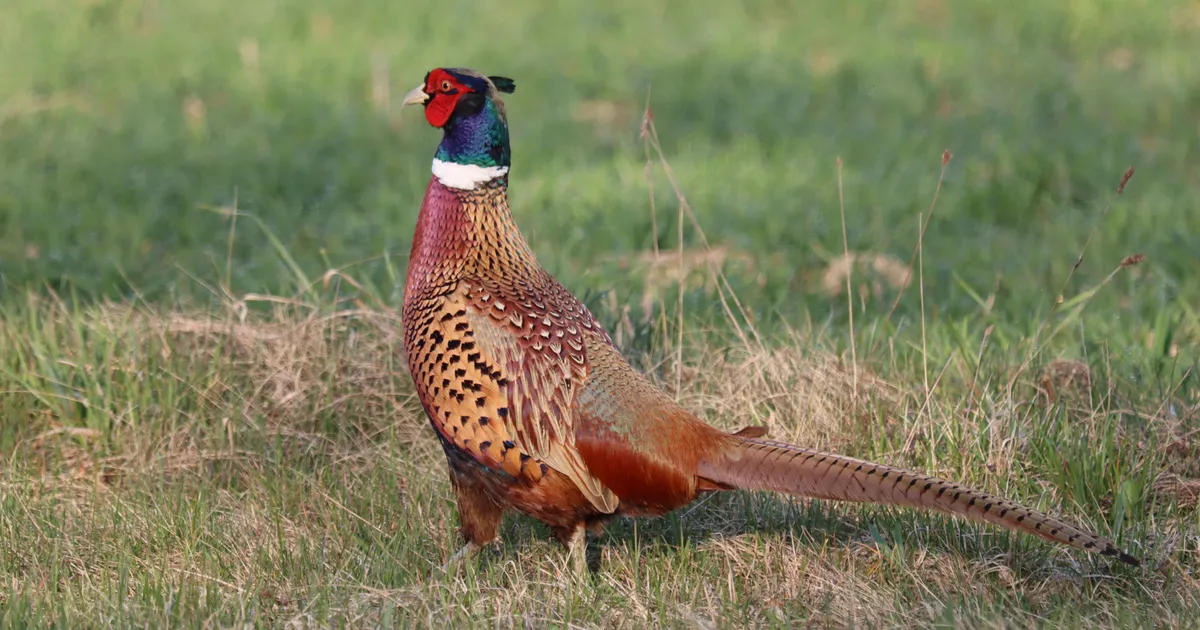
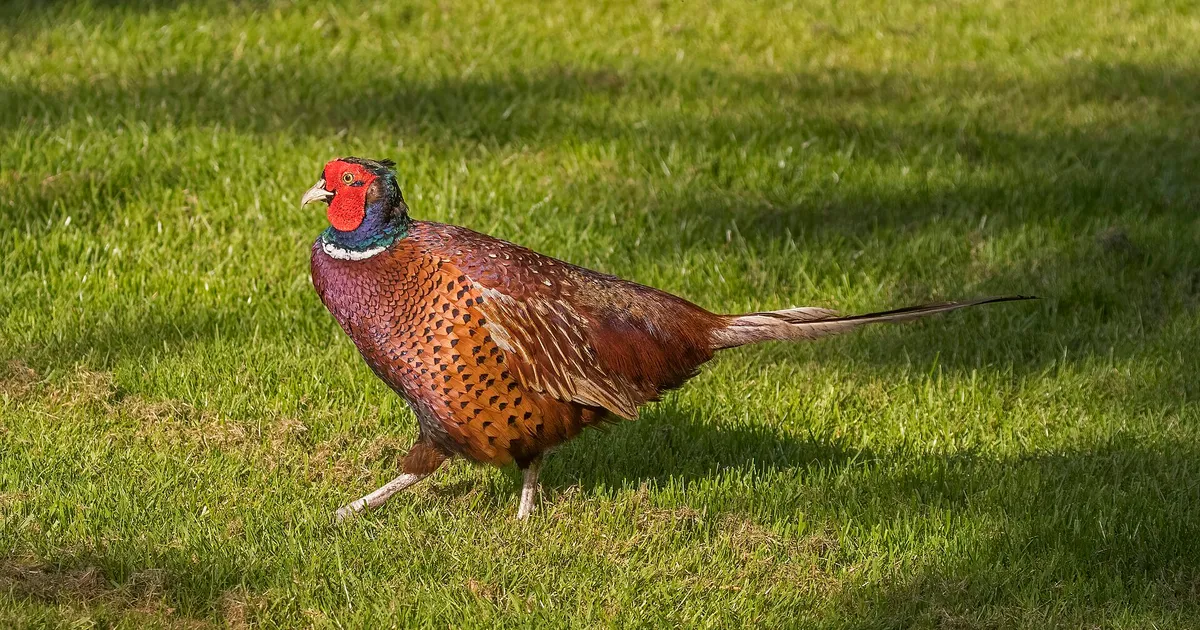
Pheasants and partridges are wildlife species: breeding them needs a licence. Cannibalism is the number-one problem (space, cover, red light, blinders and bits); the flight pen roof must be NETTING or the birds break their necks; the pheasant is polygamous while the partridge is monogamous and must be penned in pairs.
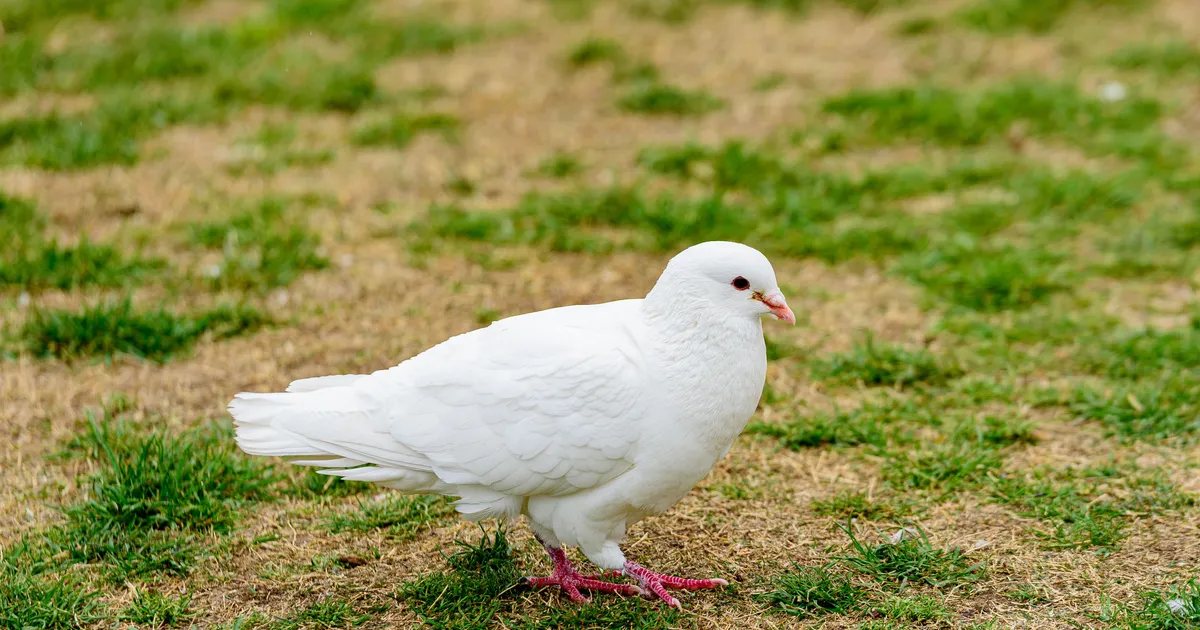
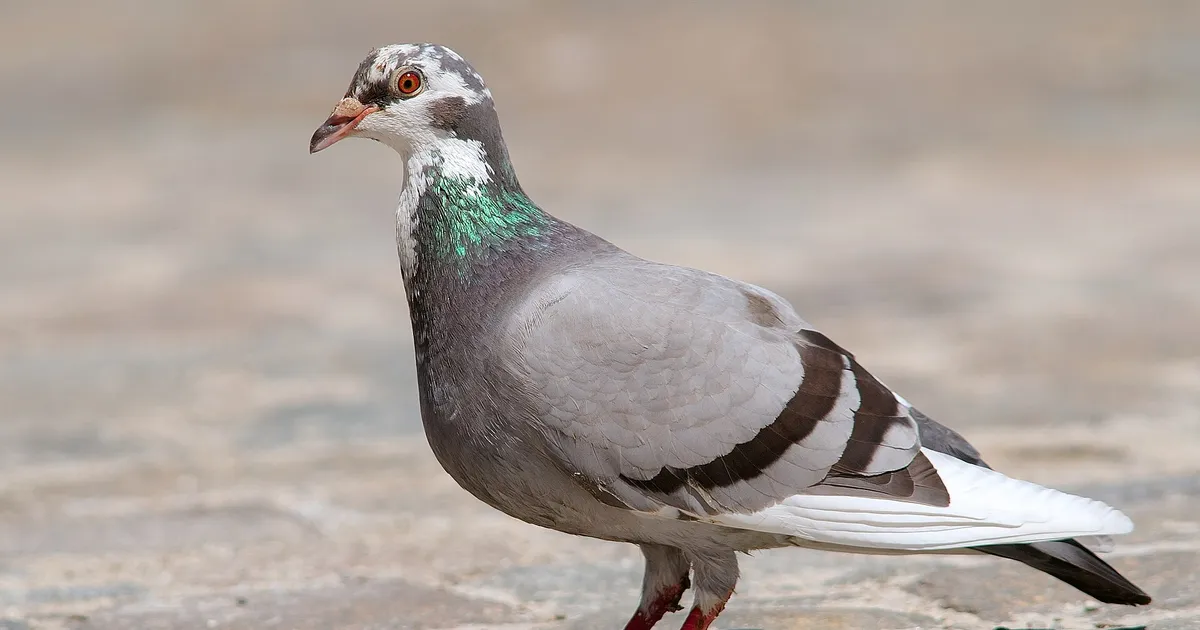
The pigeon is the only bird in poultry that “nurses”: both parents feed the squab on 60%-protein crop milk, so an incubator alone is not enough and the unit of production is the pair, not the flock. Twelve to fourteen squabs per pair a year (the two-nest rule), why squab is harvested at 26-30 days, the auto-sexing Texan Pioneer, and why a bought pigeon flies back to its old loft.
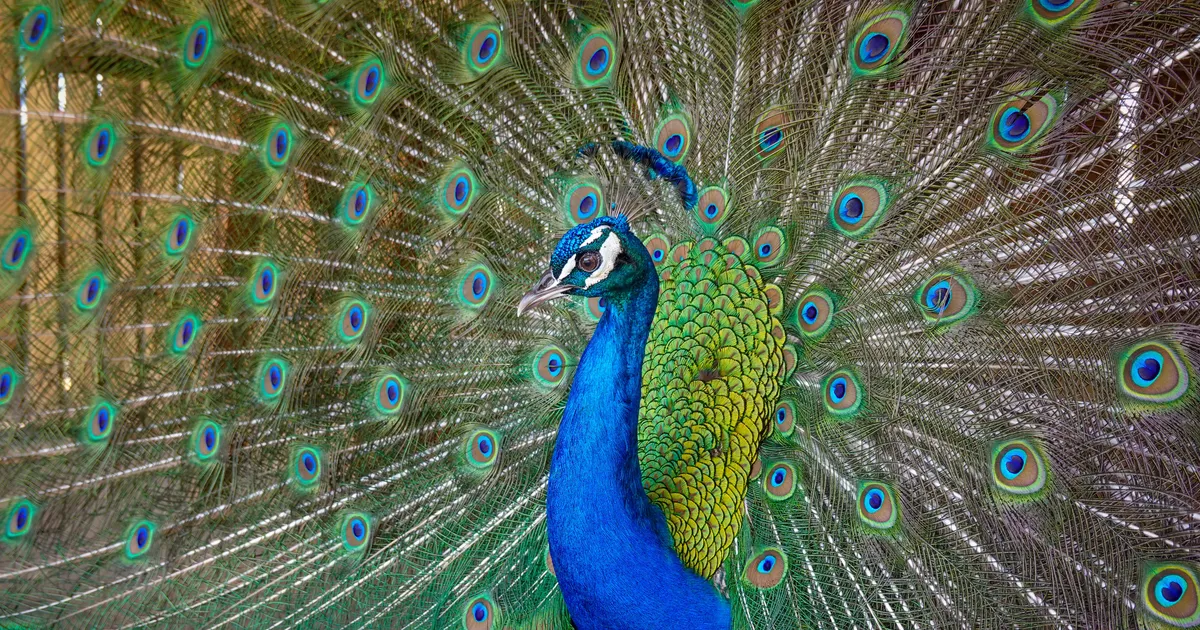
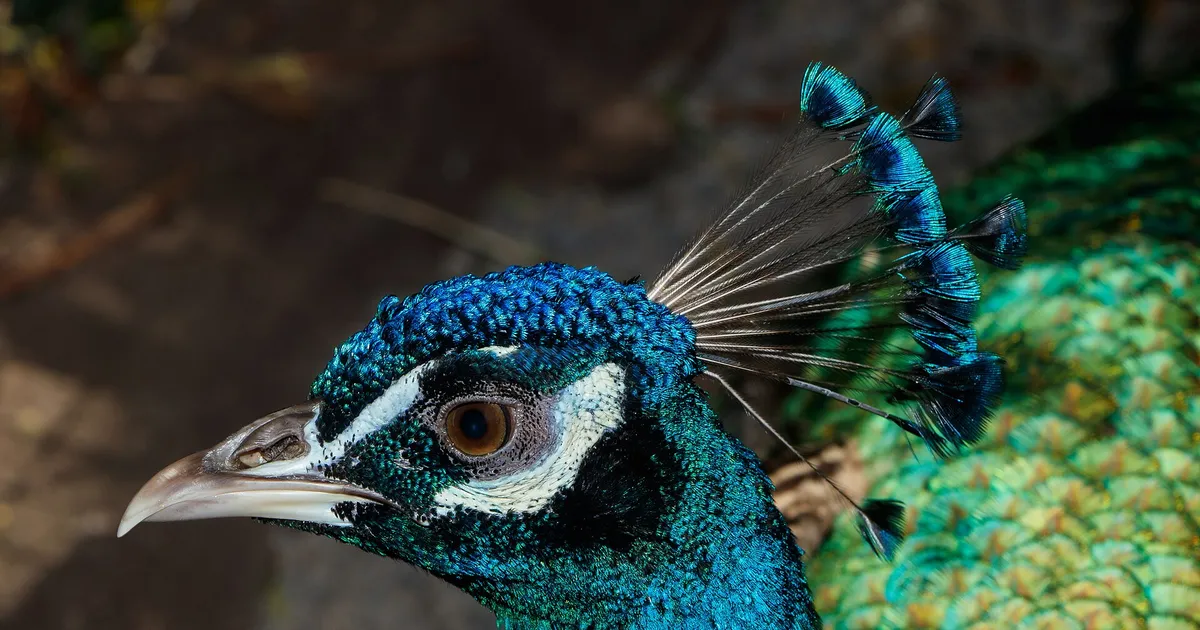
The peacock’s famous fan is not a tail but the train — elongated upper tail coverts — and it is moulted every year, so the bird never needs plucking. The cock’s train takes three years and the hen’s first egg two; the call carries over a kilometre; and peafowl raised on chicken ground die of blackhead.
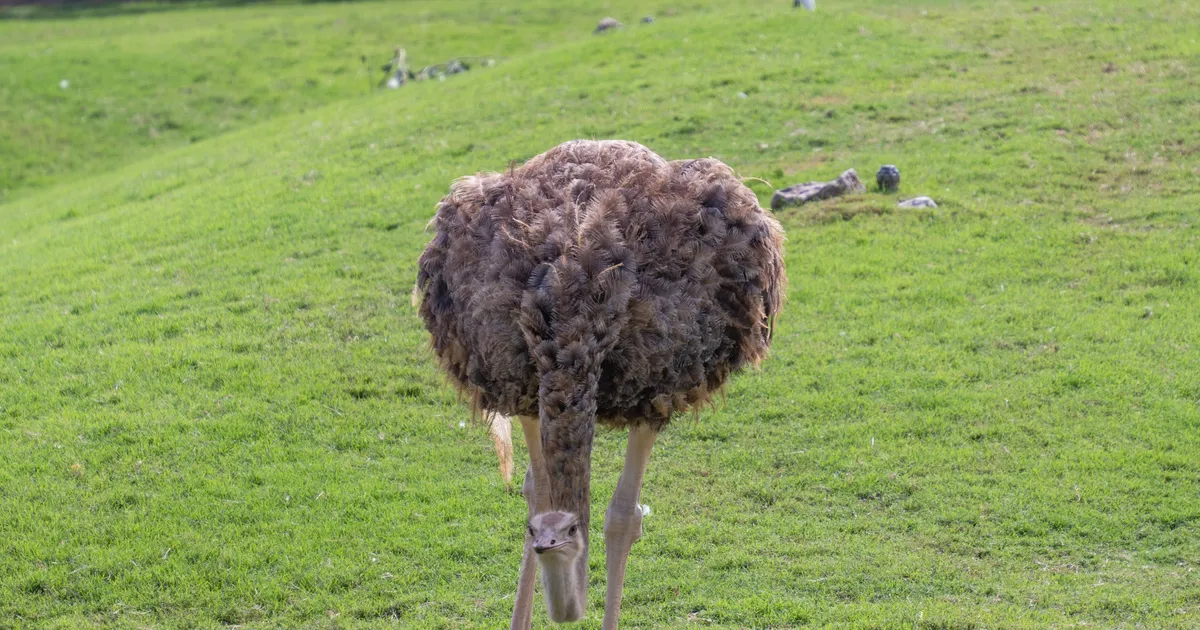
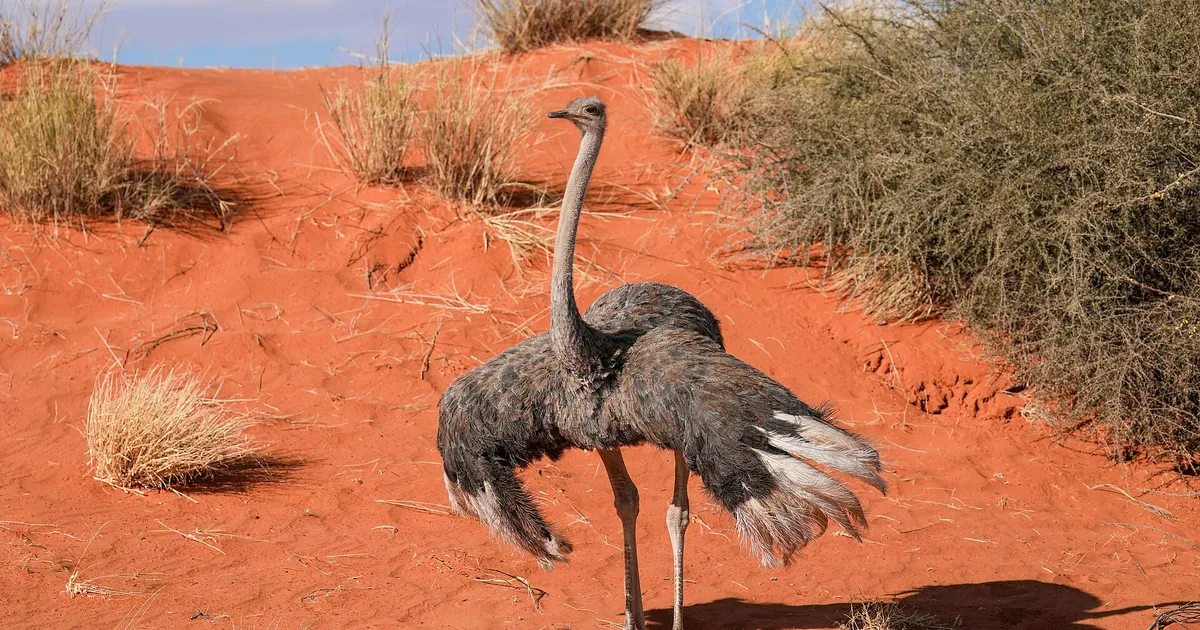
An ostrich farm’s profit usually comes from the hide (1-1.5 m²), not the meat. It is poultry that yields red meat; the 10 cm claw on the larger of its two toes, driven by a forward-and-down kick, can kill a person. Incubation runs at 20-30% humidity and is managed by weighing, not candling; the three causes behind 30-50% chick mortality; and the one question to answer first: who will buy the products?
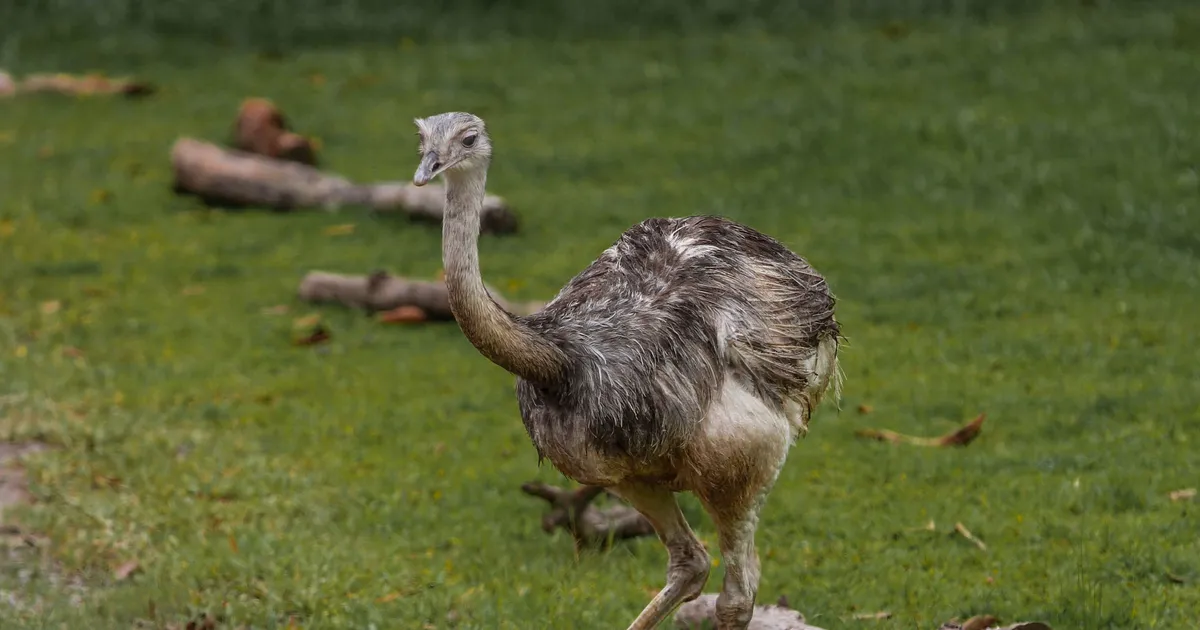
The ostrich’s two cousins, two different businesses: the emu’s money is in oil (6-10 litres), the rhea’s in meat. All three share one oddity — the male incubates. A male emu barely leaves the nest for 50-56 days, eating and drinking nothing and losing up to a third of his body weight; a male rhea alone incubates the 10-60 eggs that several females lay in his single nest. The toe table: two in the ostrich, three in the emu and rhea, four in a hen, five in the Faverolles.
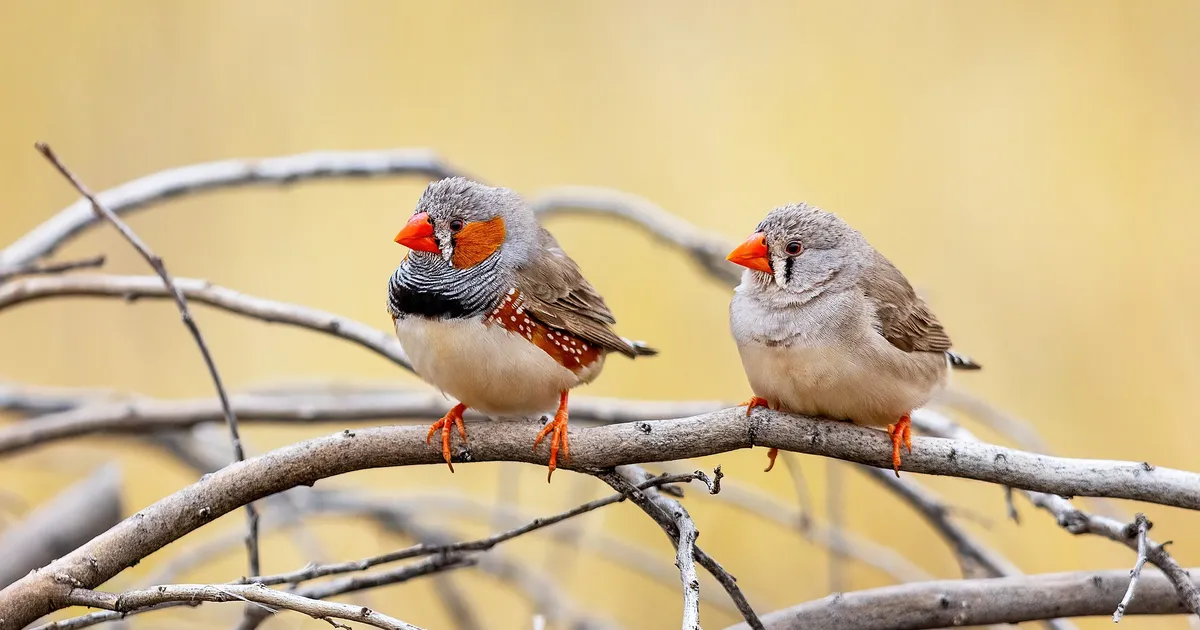
Cage-bird chicks hatch naked and blind (altricial): an incubator will hatch the egg, but you cannot feed what comes out. The incubation of all four species, four different ways to sex them (the cere in budgies; in canaries the one that sings is the male; in cockatiel mutations only DNA works), why breeding too young and egg binding kill, and the lethal gene in the dominant white canary.
The full budgerigar care guide: cage (horizontal bars, the right perch), diet (seed alone kills), sexing by the cere, and — in its most detailed section — the DAY-BY-DAY breeding calendar: eggs laid on alternate days, the hen sitting from the first egg, the first chick hatching on day 18 and the last on day 26 (eight days apart), and how the staggered hatch starves the smallest chick.
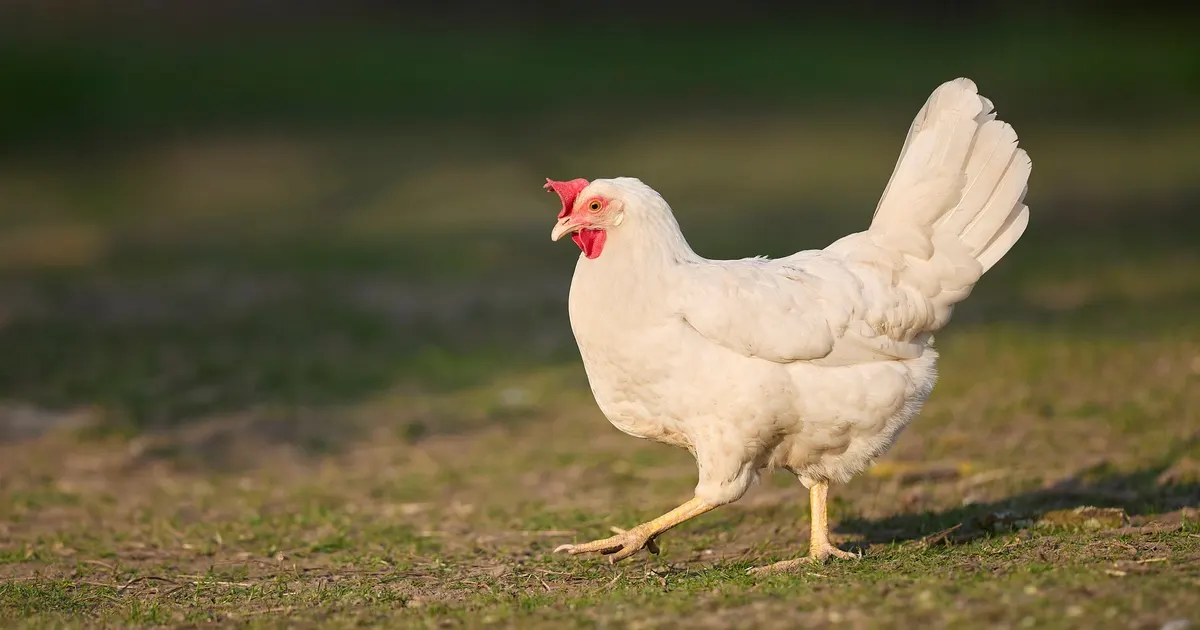
The Leghorn, ancestor of the white egg: origin, 280-320 eggs a year, the lowest feed intake of any breed, the earlobe-egg colour rule, its ability to clear a 2-3 m fence, comb frostbite risk, and why it never goes broody.
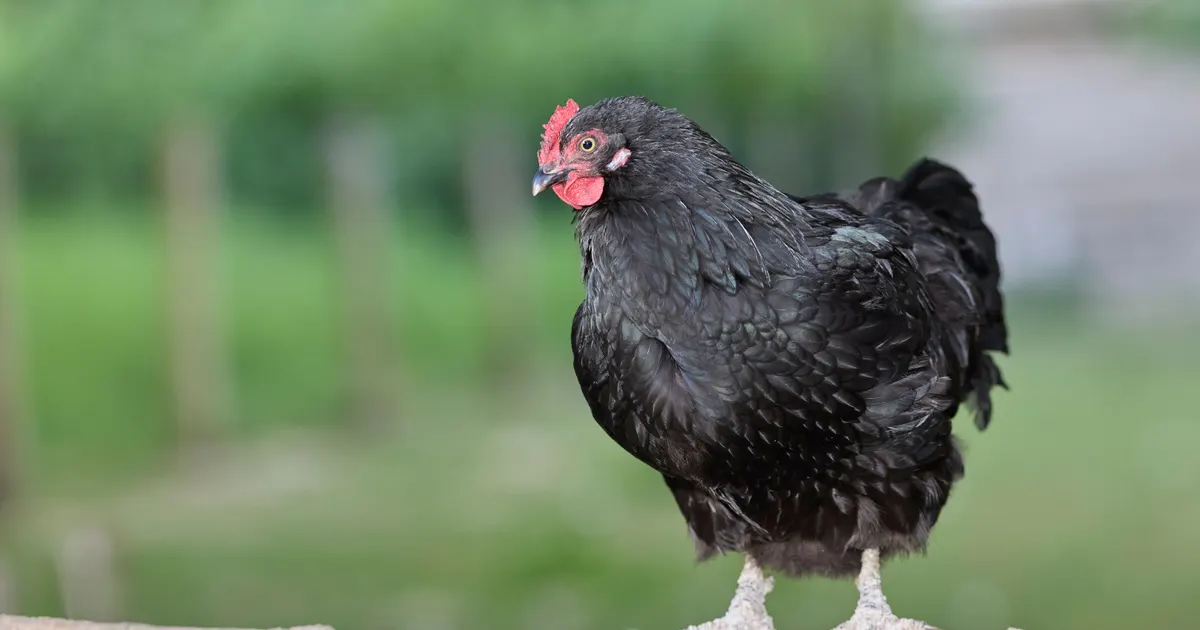
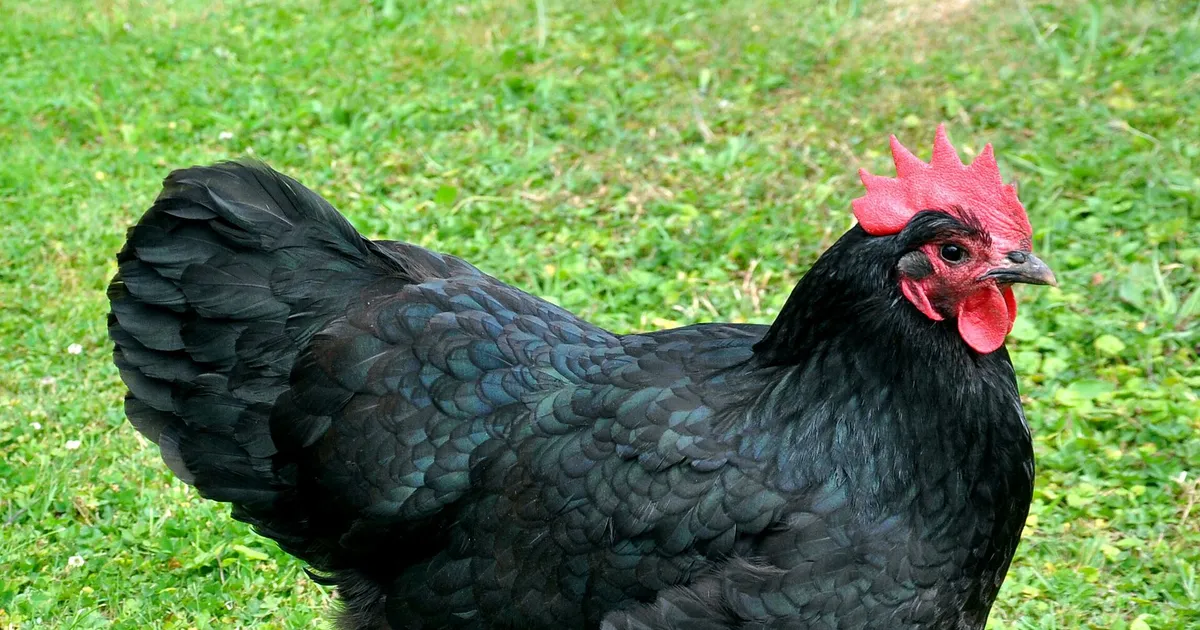
The record-holding Australorp (364 eggs in 365 days): origin, 250-300 eggs a year, a 4-5 year productive life that outlasts the hybrids, the lifetime-eggs calculation, the summer problem with black plumage, its gentle temperament and how to control broodiness.
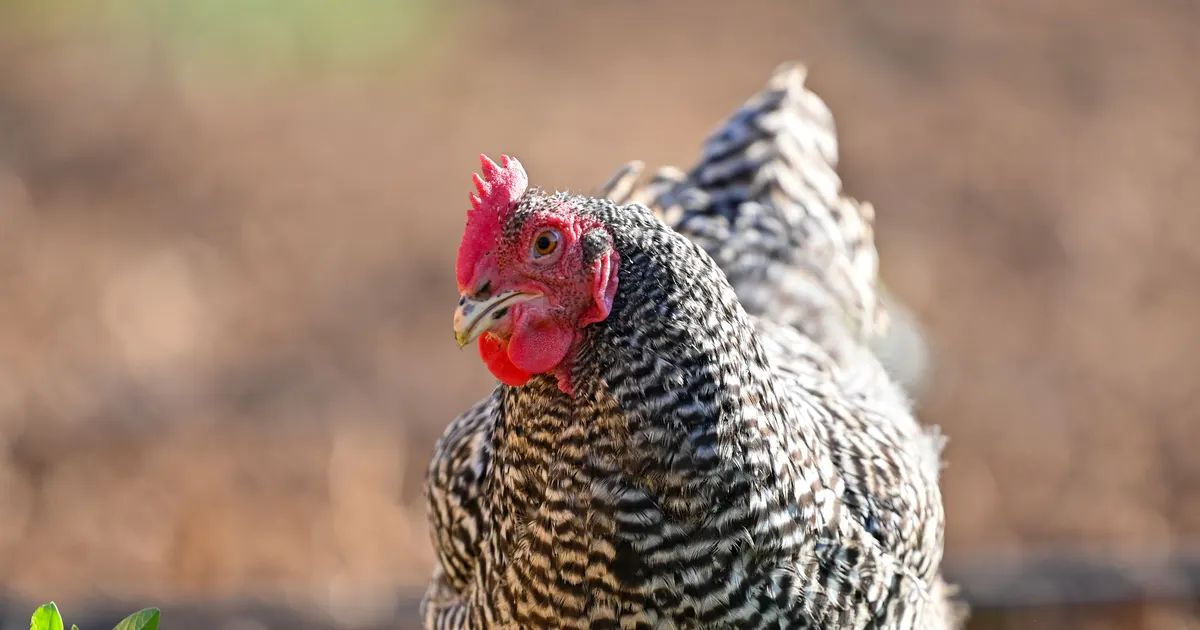
The Barred Plymouth Rock: origin, 220-250 eggs a year, the sex-linked barring gene and how to breed sex-link chicks with a RIR, the White Rock as the female line of the world's broilers, its calm temperament and care.
The Wyandotte's laced plumage, rose comb and cold hardiness: a comb-type frostbite table, laying through winter, its dominant place in the flock, its broodiness and its near-ideal body size for natural incubation.
The Orpington's story: bred for utility, ruined for the show ring, and brought back as the Australorp. The show vs utility line gap (120-150 vs 180-250 eggs), the price of being too gentle, its strong broodiness, and how vent feathering lowers fertility.
Britain's oldest breed, the Sussex: 250-300 eggs, an early point of lay (4.5-5 months), output that holds for 3-4 years, winter eggs and the best foraging ability of all — the balanced dual-purpose bird that cuts the feed bill on free range.
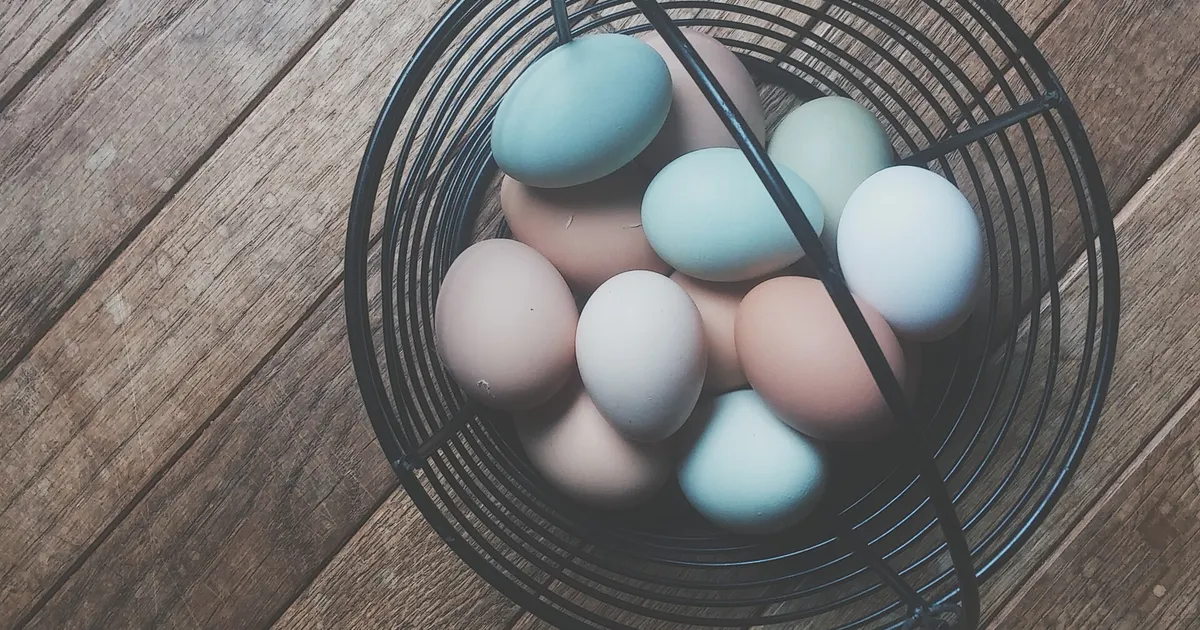
The Marans, layer of the world's darkest egg: how shell colour is made (protoporphyrin IX), why the colour fades over the season, why dark eggs must not be washed, which breed lays which colour, and why a dark shell makes candling nearly impossible.
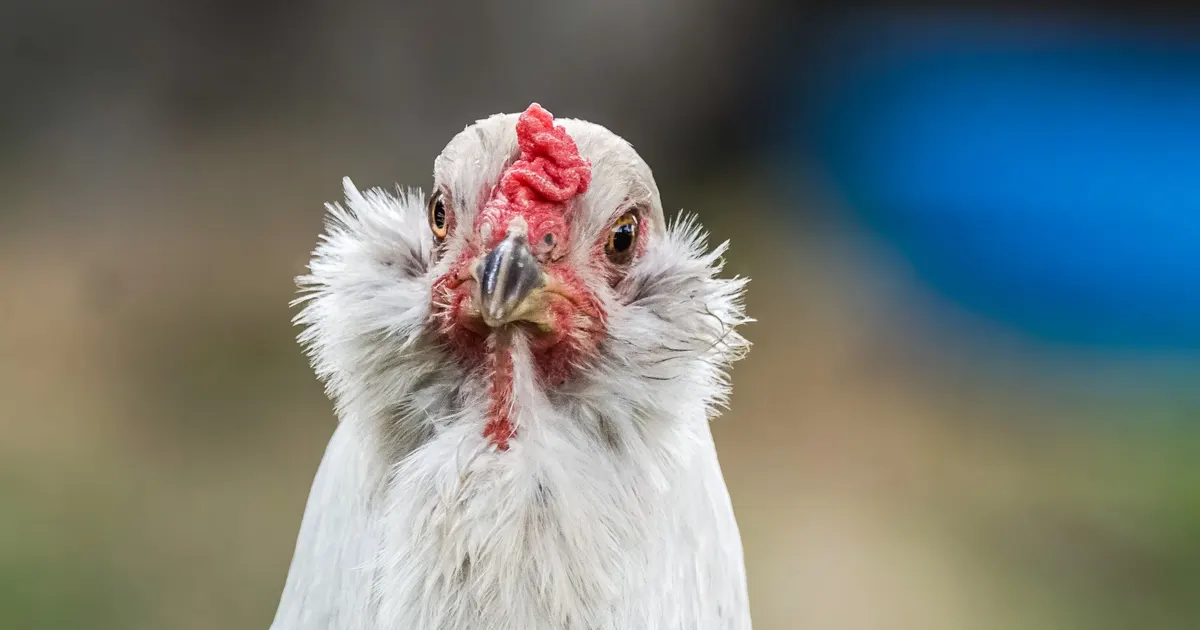
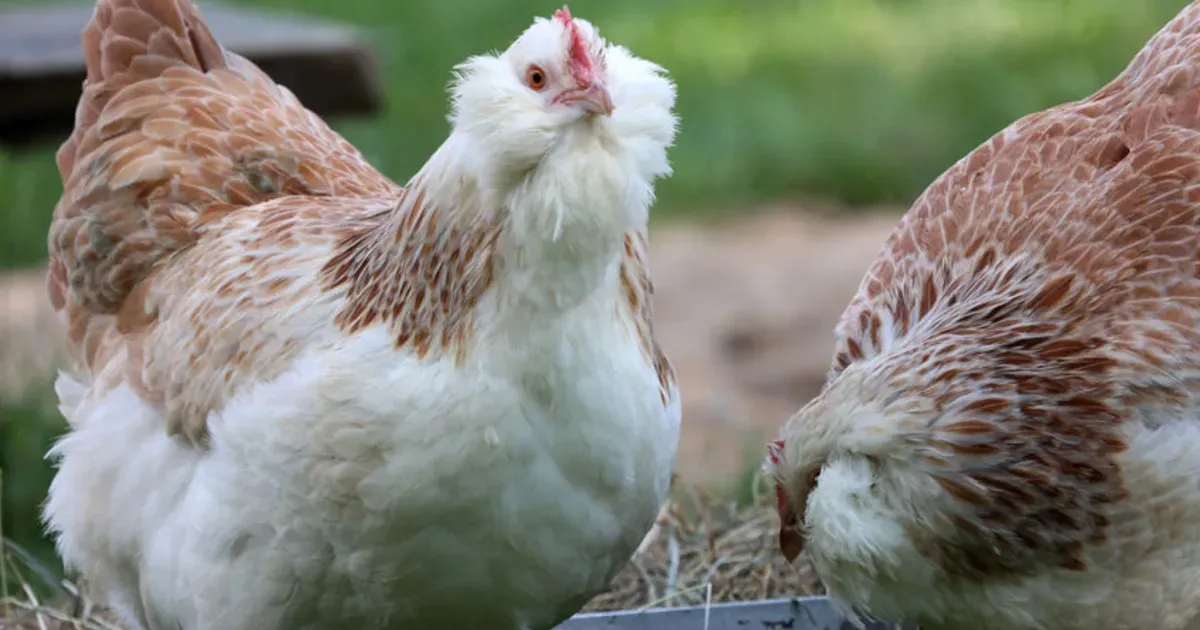
How the blue-egg gene came from a retrovirus (EAV-HP), how oocyanin permeates the whole shell, the blue + brown = green rule and breeding Olive Eggers; the Araucana's tuft gene being lethal when homozygous (a 25% hatch loss), and the difference between the Ameraucana and the Easter Egger.
The Welsummer, breed of the Kellogg's rooster: its speckled terracotta egg (65-75 g), a comparison with the Marans, day-old chick sexing by down pattern in a pure breed, superb foraging, and why it never goes broody.
The Cochin, which set off the Victorian 'Hen Fever' craze and is the ancestor of the Brahma, Orpington and Wyandotte: one of the most reliable broodies (12-15 eggs under one), content in a small space, the bantam as a foster mother for quail and pheasant, and how its feathering affects fertility.
The Barnevelder, which lays through winter: why hens stop laying in the cold (the 14-16 hour light rule), coop lighting, a table of breeds that lay in winter, the dark brown egg and the double-laced pattern.
The five-toed, bearded French Faverolles: the table of five-toed breeds (Silkie, Dorking, Houdan, Sultan), the special care its beard needs because it hides lice, the bullying risk that comes with extreme gentleness, winter laying, and chick sexing in the Salmon variety.
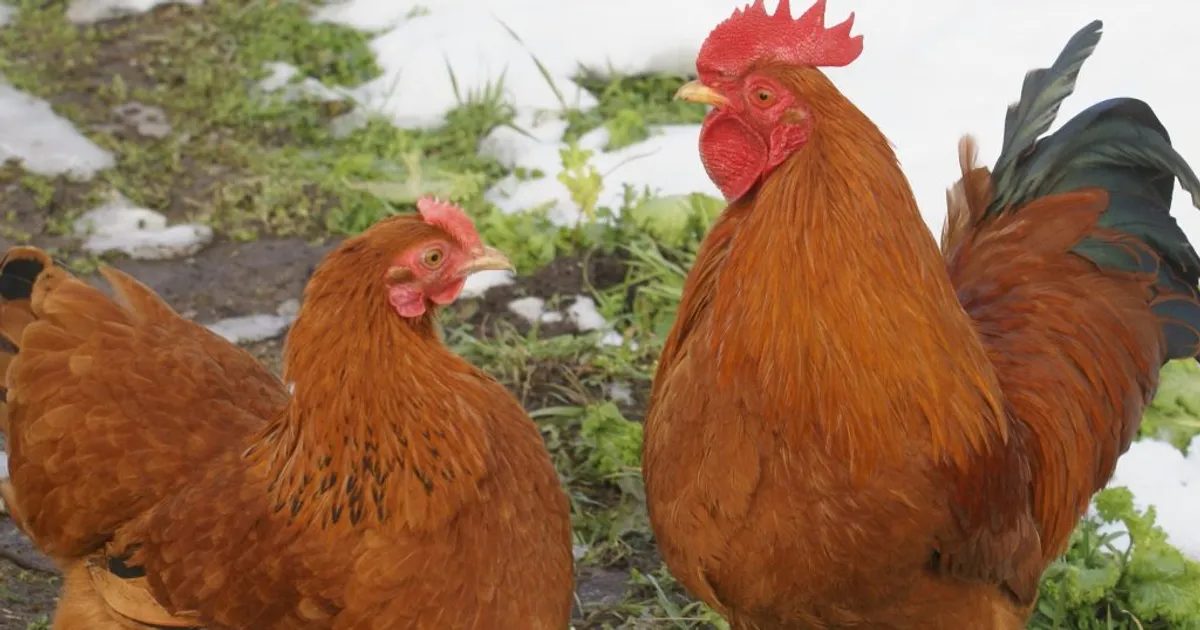
The New Hampshire, derived from the RIR: a full comparison table with the RIR, the broodiness that is rare among productive breeds, what fast feathering means for rearing chicks, and renewing your flock from your own eggs as a pure breed.
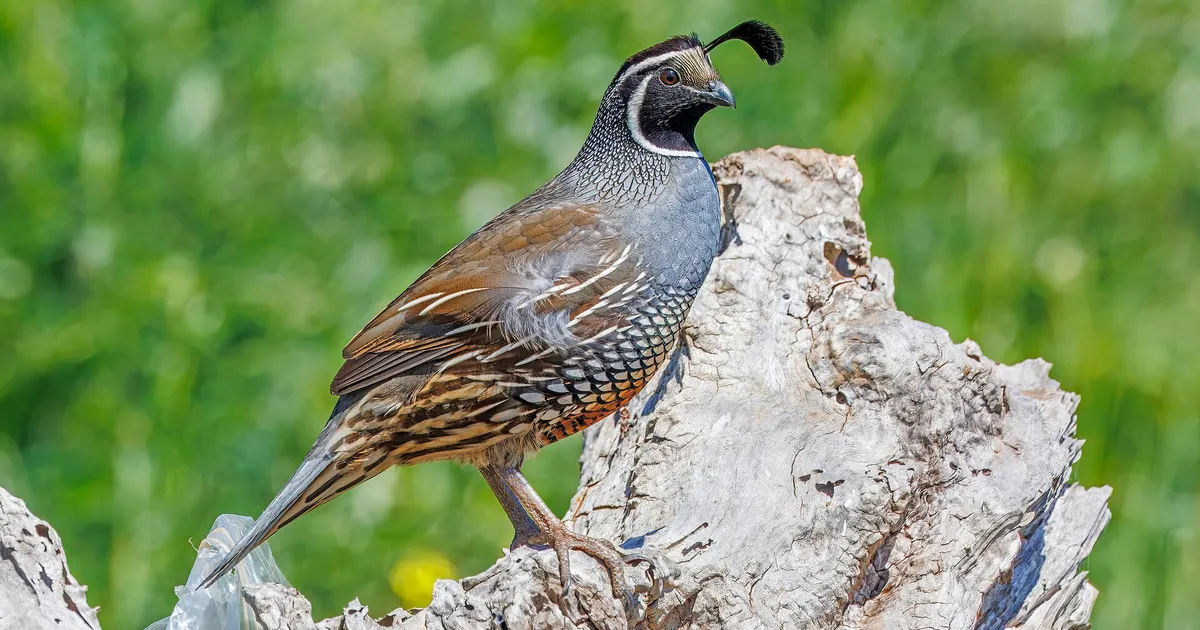
The Pharaoh, Jumbo, Texas A&M, English White, Italian and Tuxedo are not separate breeds but lines of one species: a weight and egg comparison table, the meat-versus-eggs trade-off, why the white lines cannot be feather-sexed (the cloacal gland test), and the different incubation periods of the Bobwhite and the Button quail.
The Lohmann Brown's origin, 300-320 eggs a year, point of lay, disease resistance, care, feeding and why it never goes broody — a complete breed guide with pros and cons.
The Atak-S's origin (RIR x Plymouth Rock), 260-300 eggs a year, disease resistance, suitability for free-range keeping, its broodiness and day-old chick sexing — a complete breed guide compared with the Lohmann.
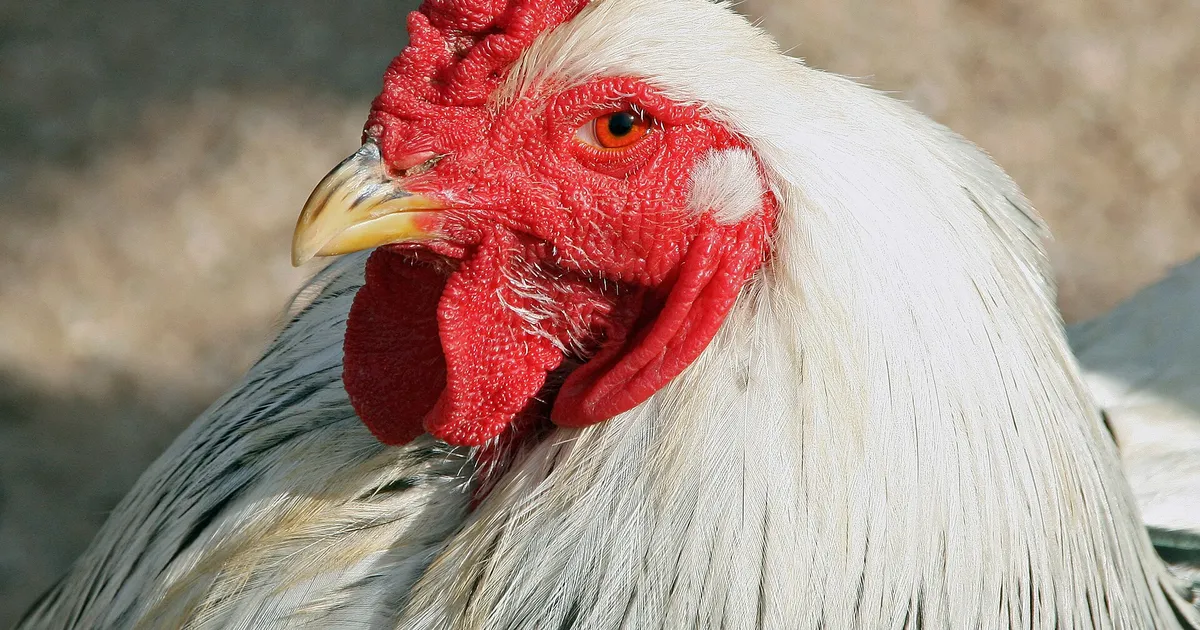
The giant Brahma's origin, its 4.5-5.5 kg size, 150-200 eggs a year, cold hardiness, feathered-leg care, broodiness and hatching — a complete breed guide with pros and cons.
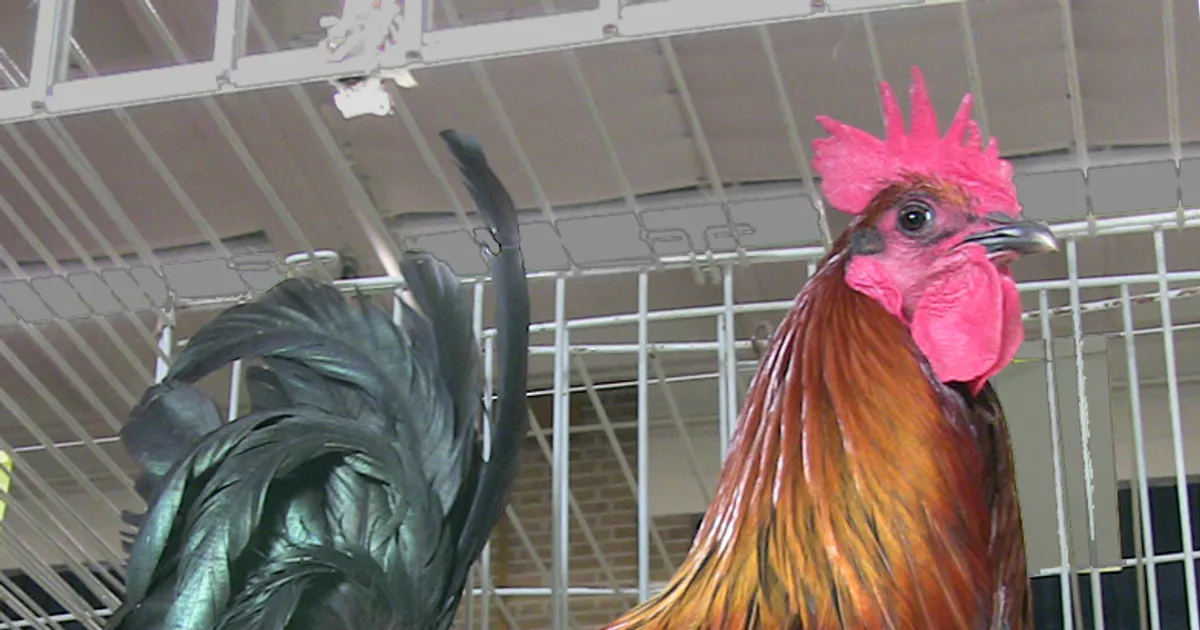
The Denizli rooster's origin, its 20-25 second crow, kohl-lined eye, six colour types, 90-130 eggs a year, why humidity shortens the crow, and how to select pure breeding stock — a complete native-breed guide.
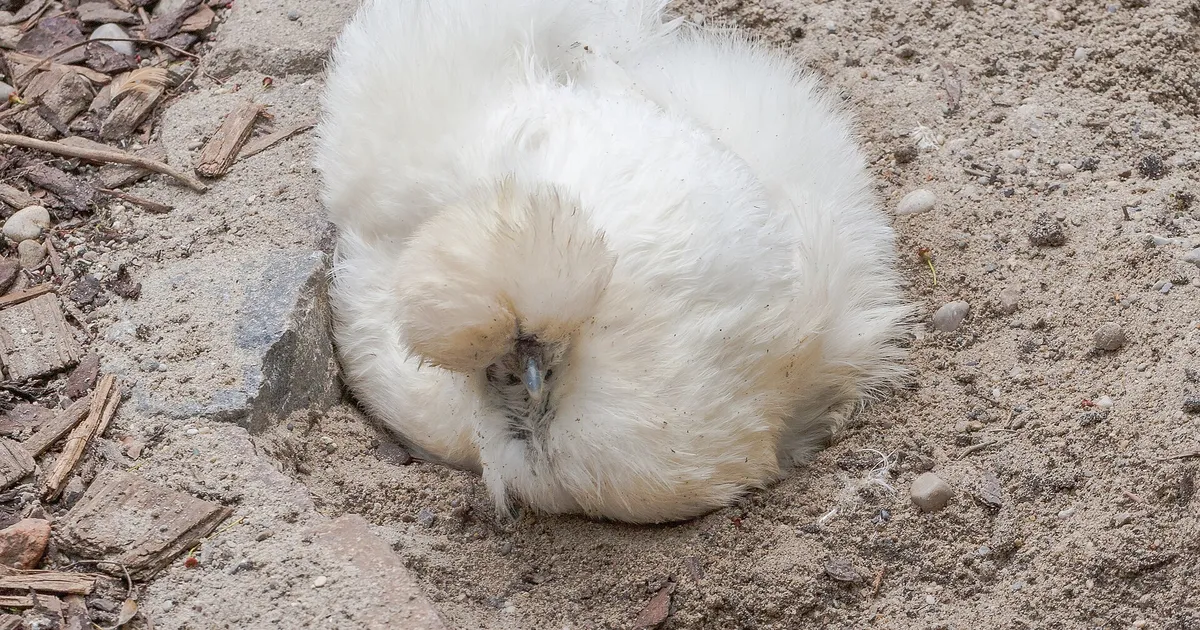
The Silkie's silky plumage, black skin and five toes; why it is the best broody hen, how many eggs to set under it, hatching duck and quail eggs, Marek's susceptibility and the danger of getting wet — a complete breed guide.
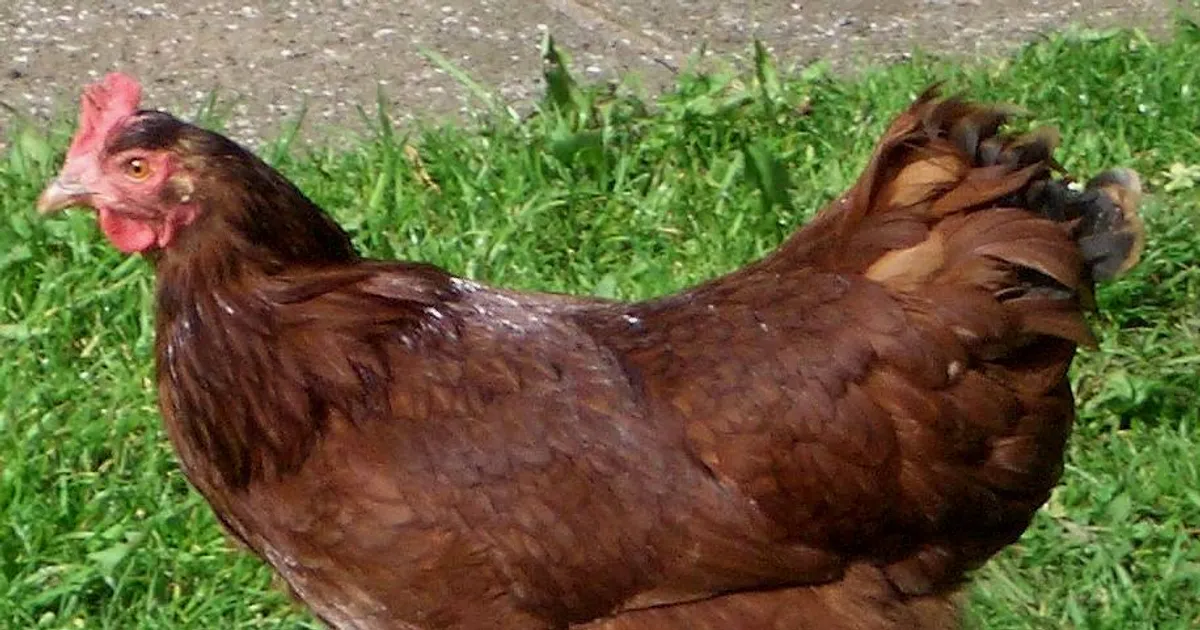
The Rhode Island Red, genetic ancestor of the modern laying hybrids: origin, 250-300 eggs a year, dual-purpose body, hardiness, rooster aggression, the heritage vs production line difference, and breeding sex-link chicks with a RIR.
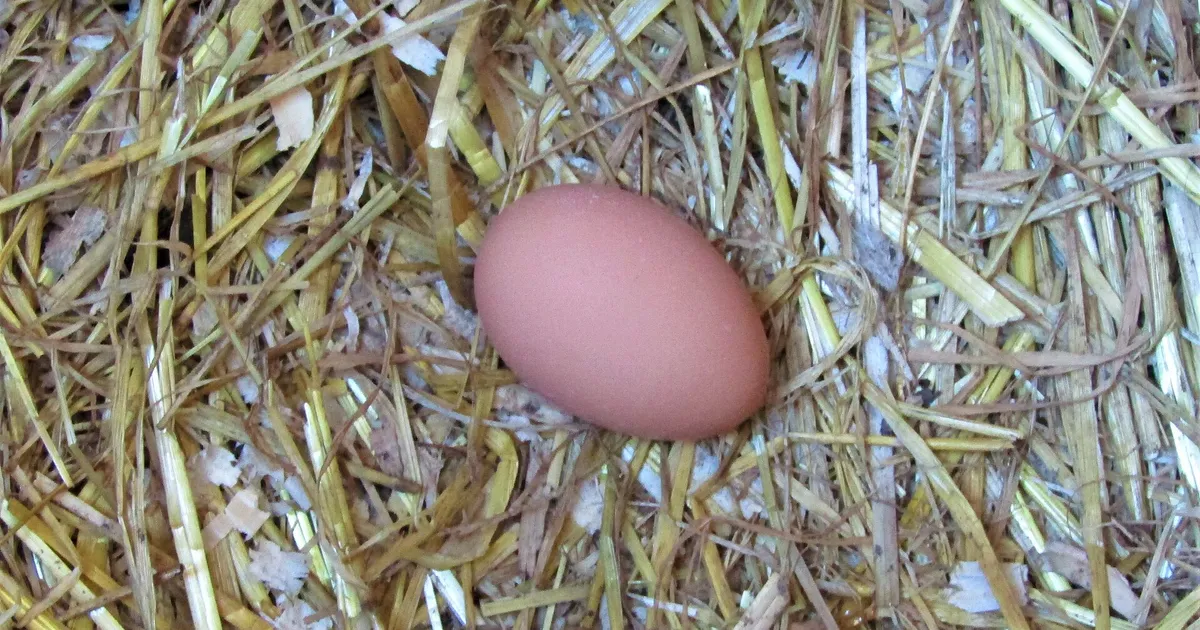
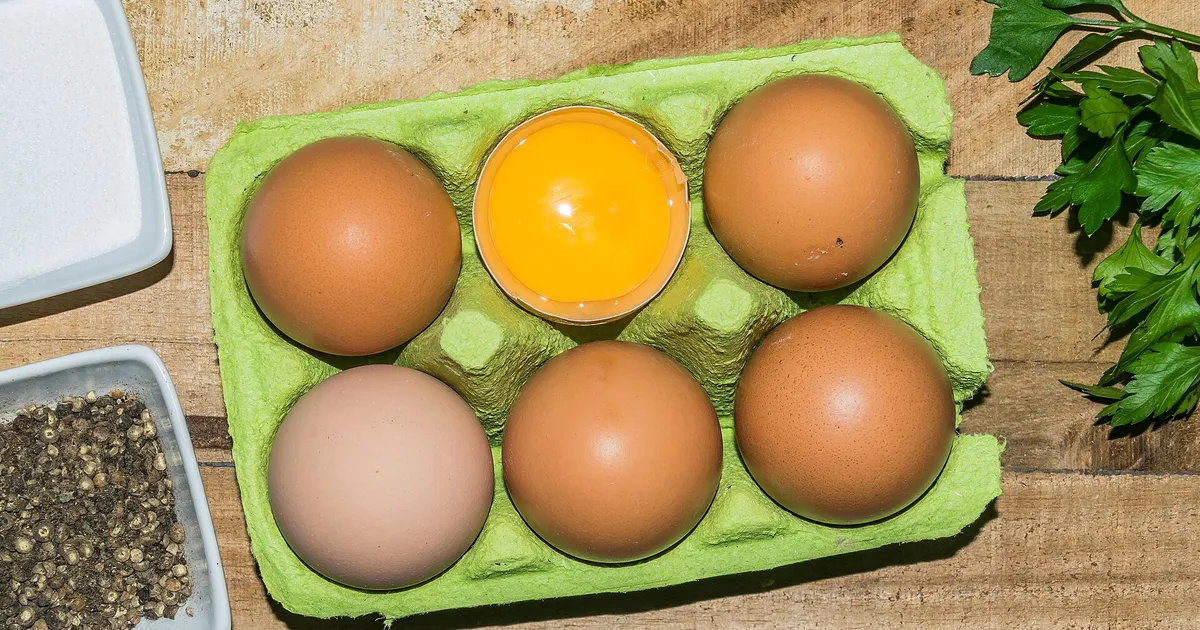
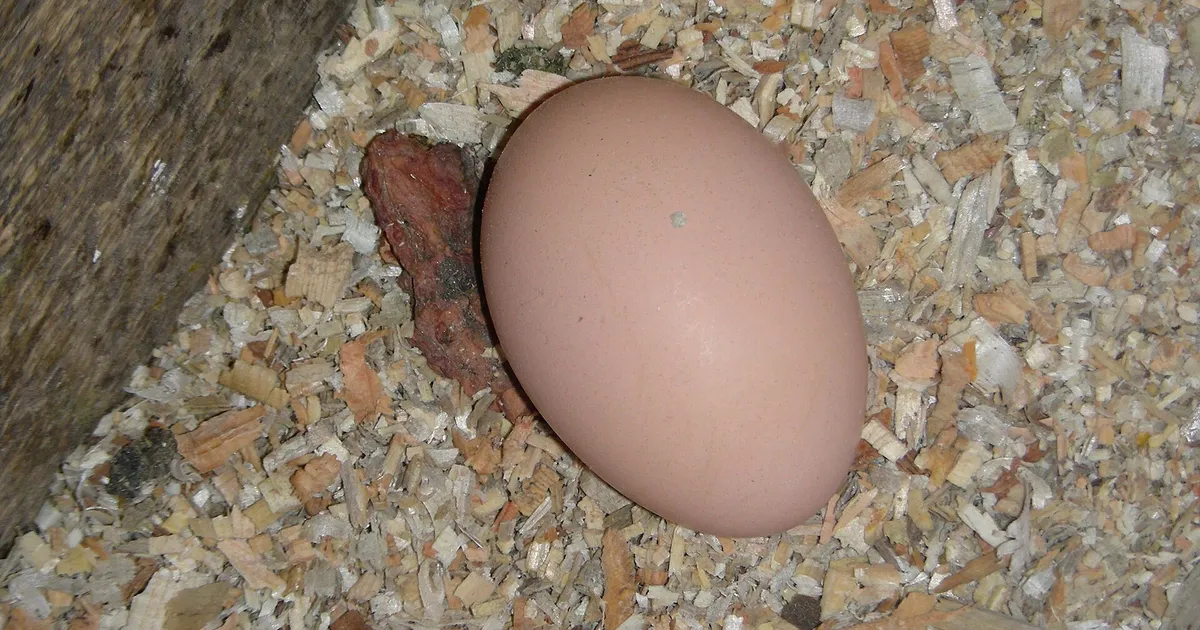
Will an egg hatch without a rooster, do hens lay without one, how to tell if an egg is fertile (crack test and candling), will a store-bought egg hatch, and can you eat a fertile egg?
Peafowl incubation takes about 28 days. The complete guide to temperature, humidity, candling, lockdown and caring for delicate peachicks of this prized ornamental bird, step by step.
Budgerigar, cockatiel, canary and lovebird incubation durations (13-23 days). Supporting natural incubation, nest boxes, calcium and the challenges of artificial incubation.
How to improve fertility in hatching eggs: raising your fertile-egg rate with male ratio, breeder nutrition, season, timing and methods to test fertility.
How does room temperature affect an incubator? Overheating in summer heat, cold and swings in winter; machine placement, humidity adjustment and an independent thermometer — the seasonal incubation guide.
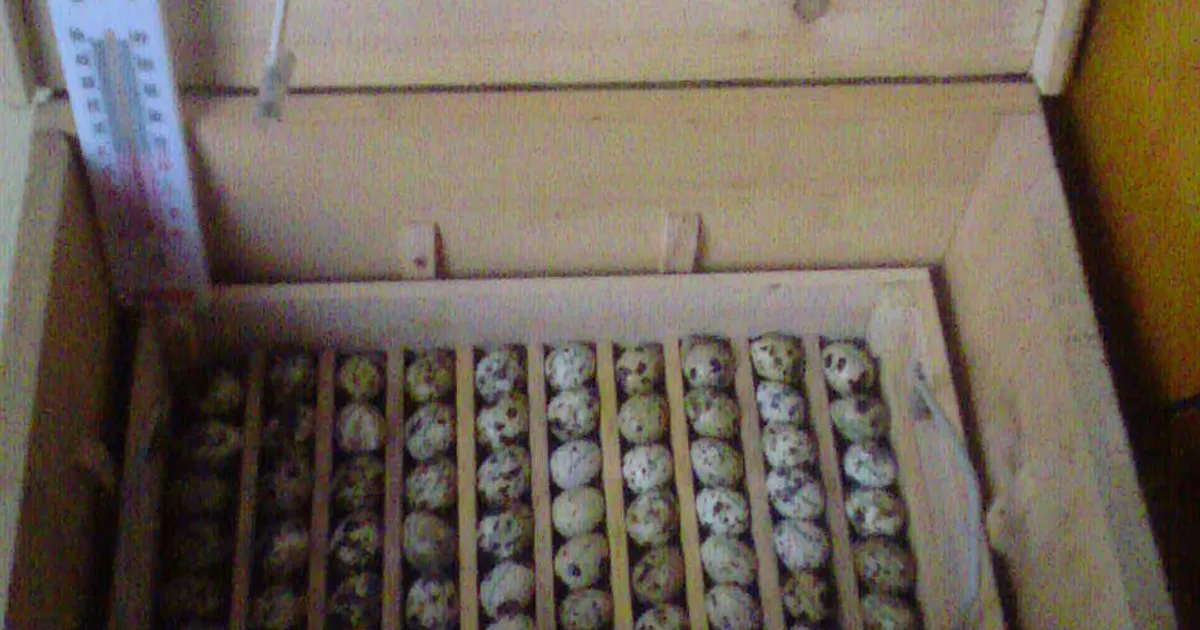
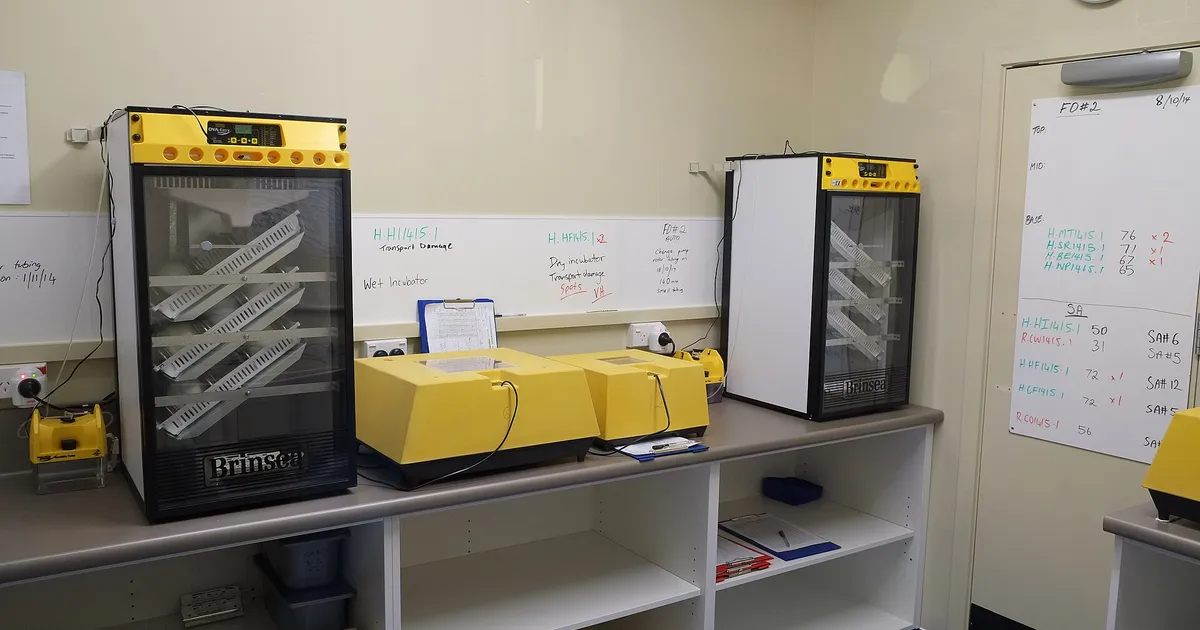
Incubator first setup and calibration: running empty, the forced-air vs still-air temperature measurement difference (measuring at the top of the egg), hotspot mapping, hygrometer calibration and a checklist.
What is staggered incubation and why does it lower the hatch? The lockdown conflict, hatch mess, the separate hatcher solution and ways to manage with a single machine.
How to tell if a chick is male or female: vent sexing, feather sexing, sex-link/autosexing breeds, later comb and feather signs, and the false methods common among keepers.
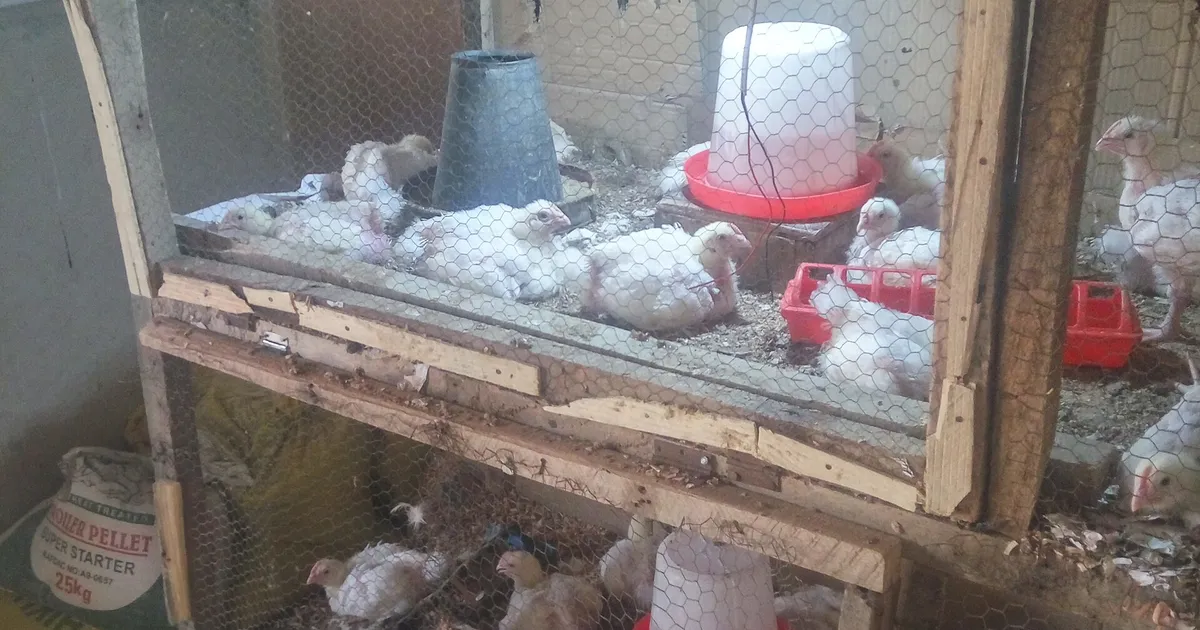
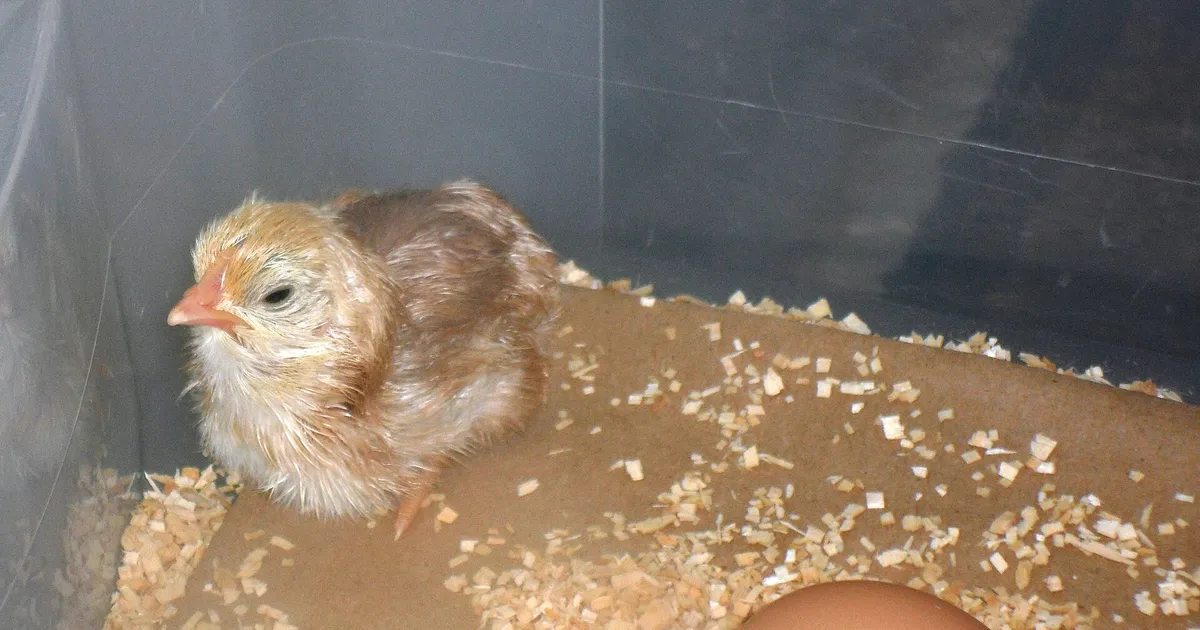
A chick's first 48 hours: the yolk sac reserve, teaching first water and feed, heat-behavior signs, pasty butt, splay leg and caring for shipped chicks — the critical post-hatch window.
Why do pecking and cannibalism happen in chicks and how to prevent them? Overcrowding, light, heat, nutrition and wound causes; prevention with space, dim light and enrichment, and what to do once it starts.
Biosecurity in the coop and incubation: a disease prevention guide covering quarantine, access control, rodent and wild-bird control, hatchery hygiene, vaccination and early illness detection.
Incubation logbook: what to record, how to calculate fertility, hatchability and hatch rate, diagnosing whether the problem is in the coop or the machine, and improving performance batch by batch.
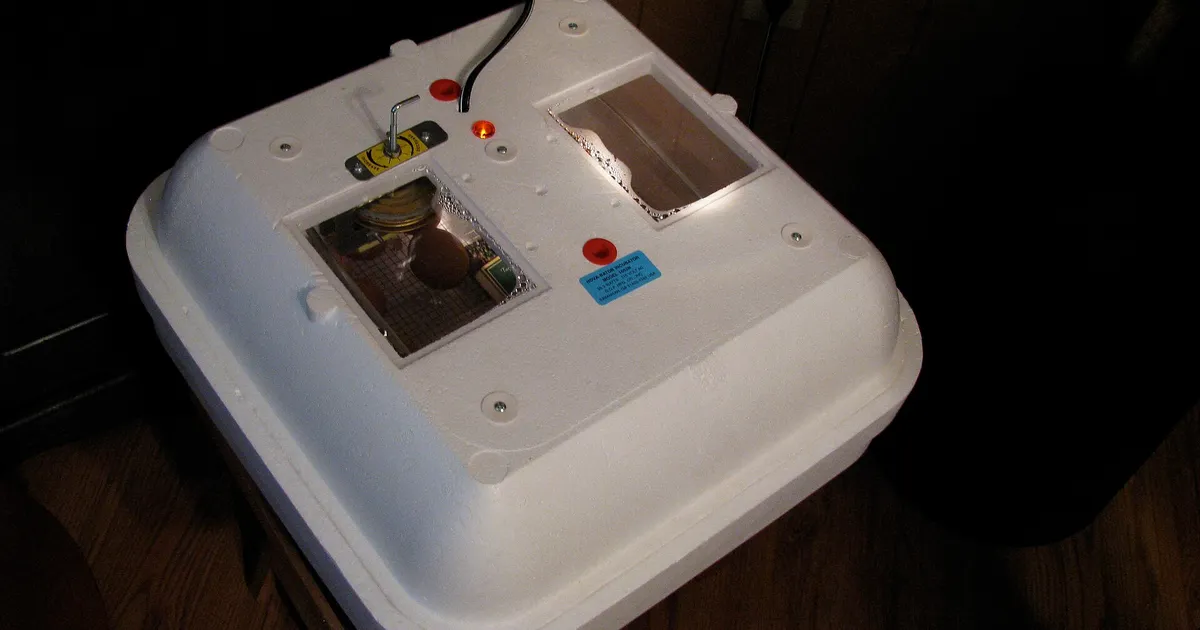
How to build a homemade incubator: step-by-step build with a styrofoam box, bulb, digital thermostat and hygrometer, plus calibration, humidity setup and safety.
At what age do hens start laying and how many eggs a day? Onset age by breed, the effect of daylight and calcium, winter yield, how many years they lay, and whether you need a rooster for eggs.
How to build a chicken coop: space per hen, ventilation, roost and nest layout, predator safety and climate adjustments — a step-by-step coop building guide.
What feed to give chicks: starter and grower feed, protein needs by species, water, grit, niacin for waterfowl, medicated feed and what not to feed — a week-by-week nutrition guide.
How to tell if an egg is spoiled or fresh: the float test (does it sink or float), crack test, candling and shake test; how long an egg lasts and the right storage conditions.
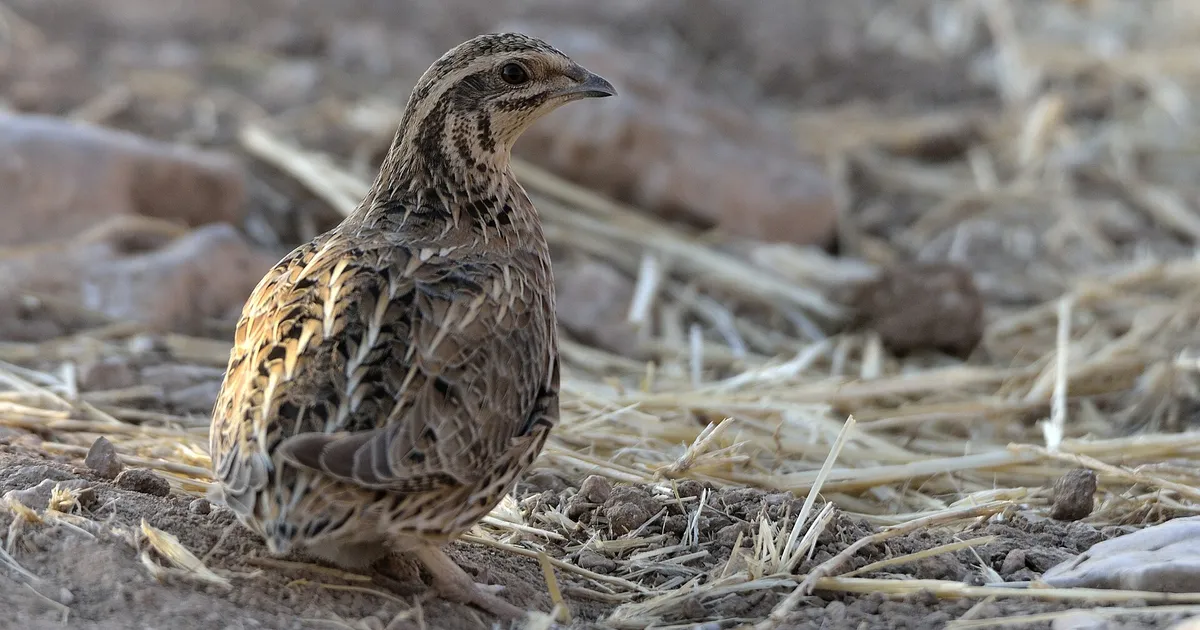
How to farm quail: cage housing, high-protein feed, laying onset at 6-8 weeks, sexing, chick care and hygiene — a quail-keeping guide from scratch.
What to do when the power cuts during incubation: preserving heat without opening the lid, insulation and hot-water bottles, safe recovery when power returns, and UPS/generator preparation.
Cleaning and disinfecting an incubator: step-by-step cleaning after every batch, safe disinfectants, water channels and post-hatch hygiene. The most easily prevented cause of a low hatch.
Pheasant and partridge incubation takes about 24 days. The complete guide to temperature, humidity, turning, lockdown and caring for skittish game bird poults, step by step.
Pigeon incubation takes about 18 days. A complete guide to supporting the pair's natural incubation, why artificial incubation is hard, crop milk and squab care.
Guinea fowl incubation takes about 28 days. The complete guide to temperature, humidity, candling, lockdown for hard-shelled eggs and caring for delicate keets, step by step.
Muscovy duck incubation takes about 35 days — a week longer than the common duck. A complete guide to temperature, humidity, daily cooling and misting, lockdown and duckling care.
Ostrich incubation takes about 42 days and is unlike any other bird: 36 °C, 20-30% humidity, upright position and weight-loss tracking. A complete incubation and chick care guide.
What does humidity control in incubation, what should it be per species, and how do you raise it? Hygrometer calibration with the salt test and humidity management via air-cell tracking.
Layer, meat and dual-purpose chicken breeds compared: top laying breeds, the hybrid-versus-purebred difference, broodiness and climate criteria for choosing by goal.
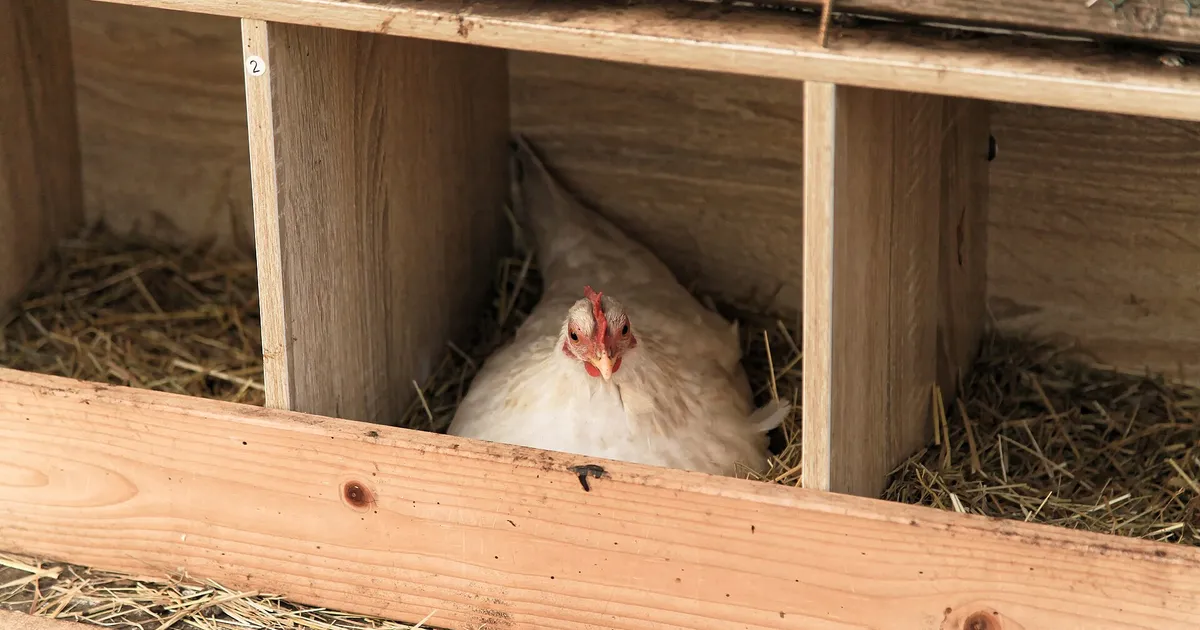
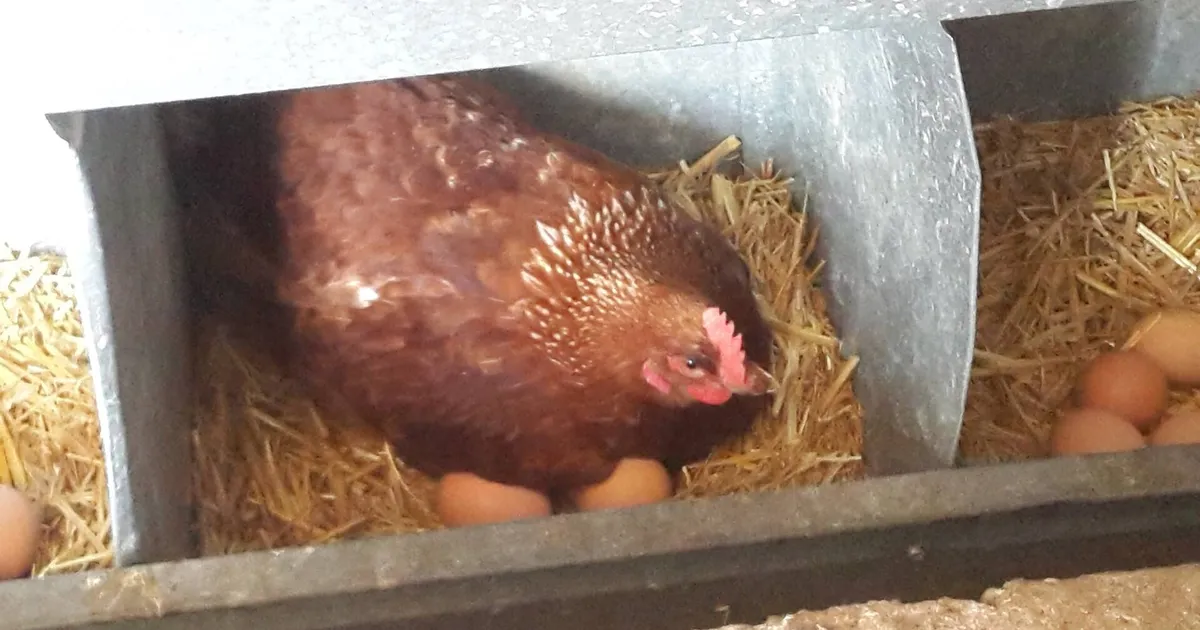
How to recognize a broody hen, how many eggs to set under her and how to manage 21 days of natural incubation. Nest setup, post-hatch care and incubator comparison.
The hatch day guide: lockdown settings, pip-zip-hatch stages, when and how to assist a chick, and when to take chicks out of the incubator.
Hatching egg selection and storage guide: which eggs are suitable for incubation, how long and under what conditions to store them, and how to handle shipped eggs.
Turkey incubation takes 28 days. The complete turkey incubation guide: temperature, humidity, egg turning, the hatch period and poult care, step by step.
Incubator buying guide: forced-air vs still-air, automatic turning, humidity control, capacity and budget. The 7 features to check to pick the right incubator.
Why don't eggs hatch in an incubator? The 10 common causes of a low hatch rate — temperature, humidity, fertility, turning — and a practical fix for each.
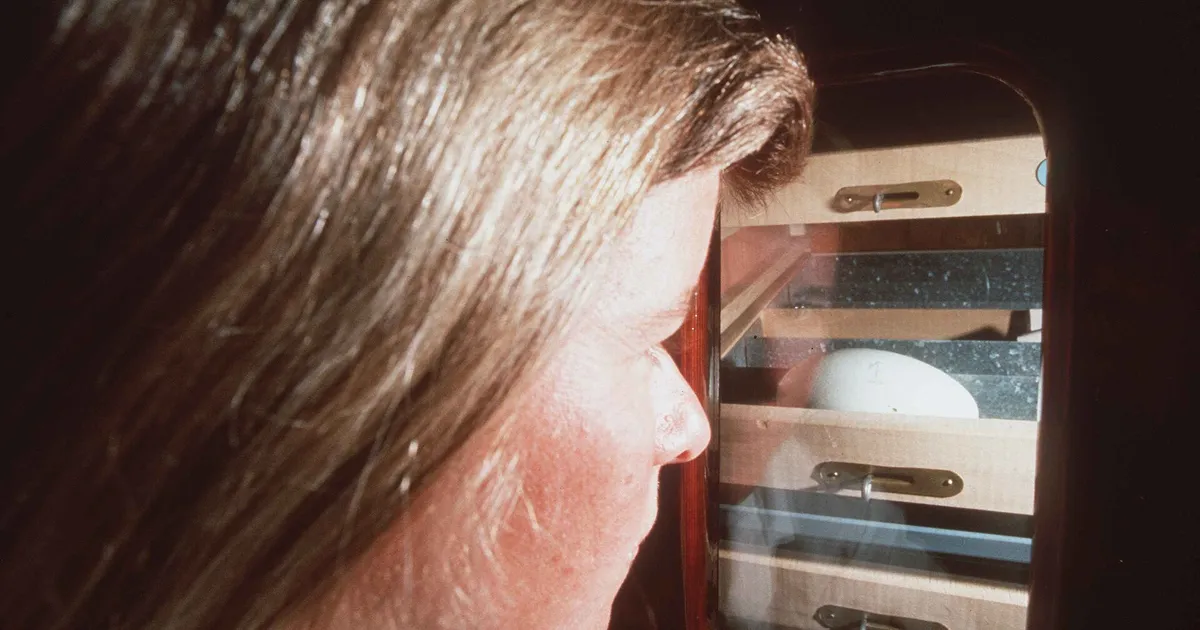
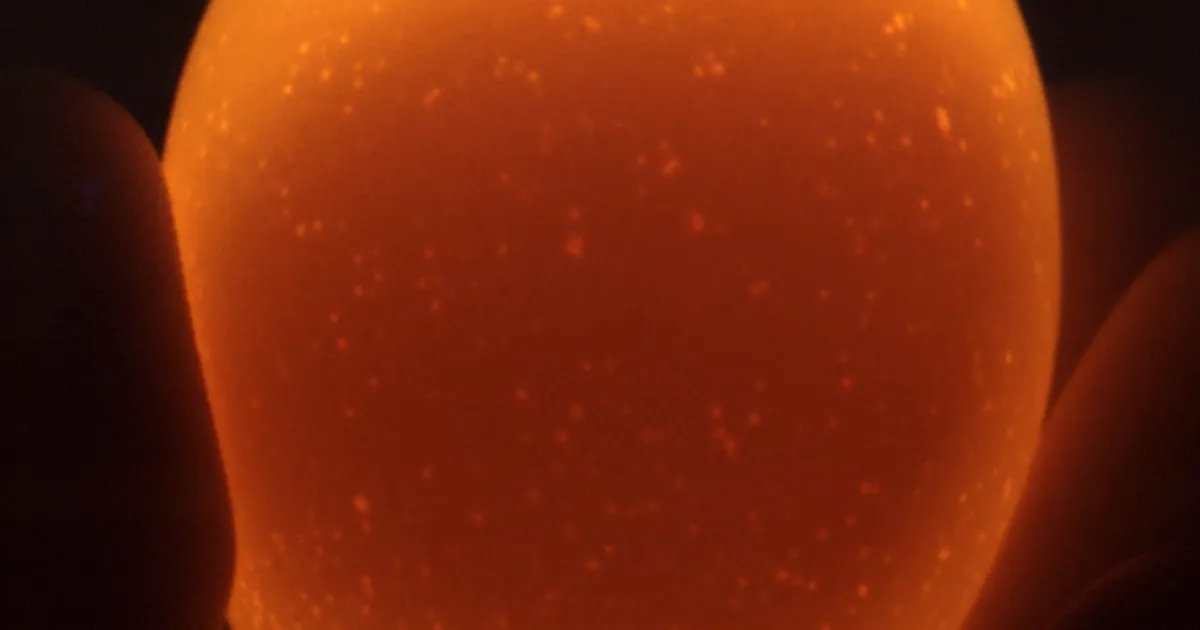
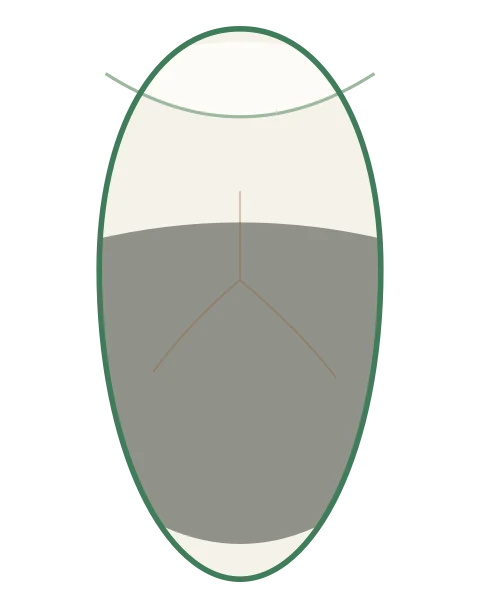
What is candling, how is it done, and what do you see on each day? An in-depth candling guide explaining embryo development in a chicken egg day by day, with schematic illustrations.
Chick brooder setup: the right heat, space, bedding, water and feed. A step-by-step guide to raising healthy chicks after the hatch.
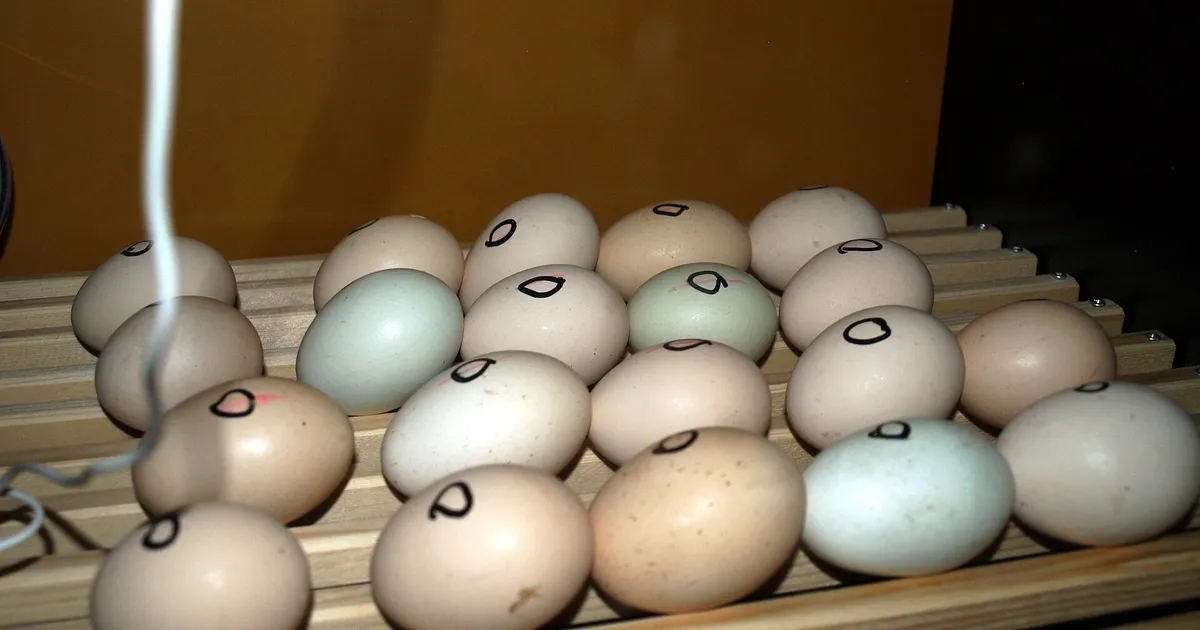
The complete 21-day guide to hatching chicken eggs in an incubator: temperature, humidity, egg turning and hatch-period settings, step by step.
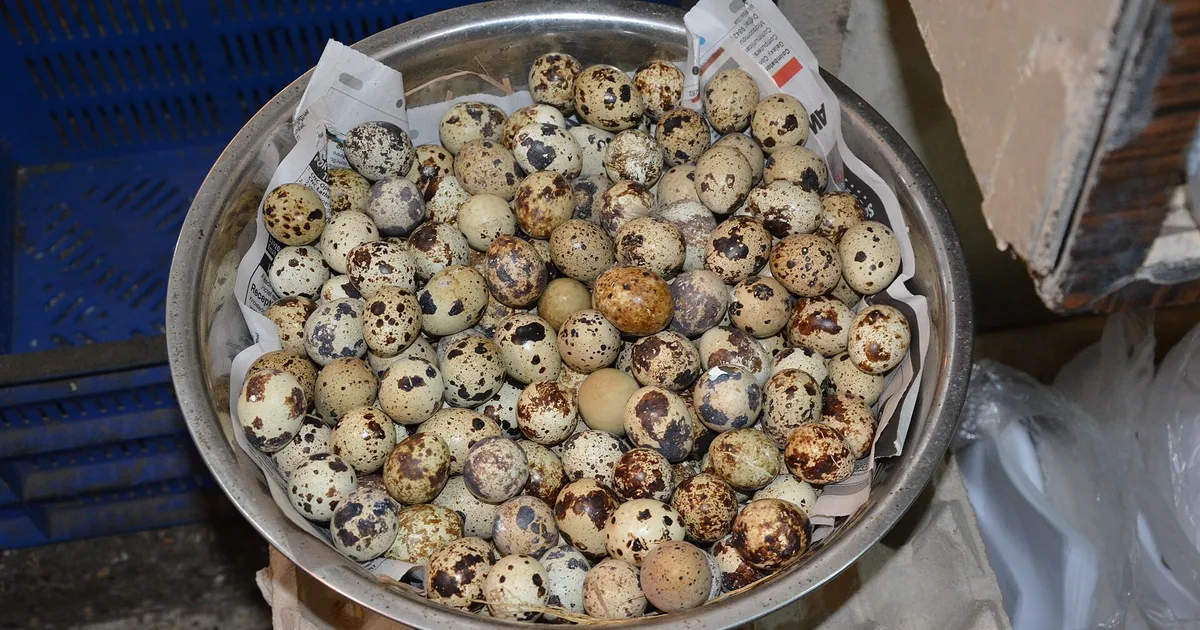
Quail incubation takes 17-18 days. The complete quail incubation guide explaining temperature, humidity, egg turning and hatch-period settings step by step.
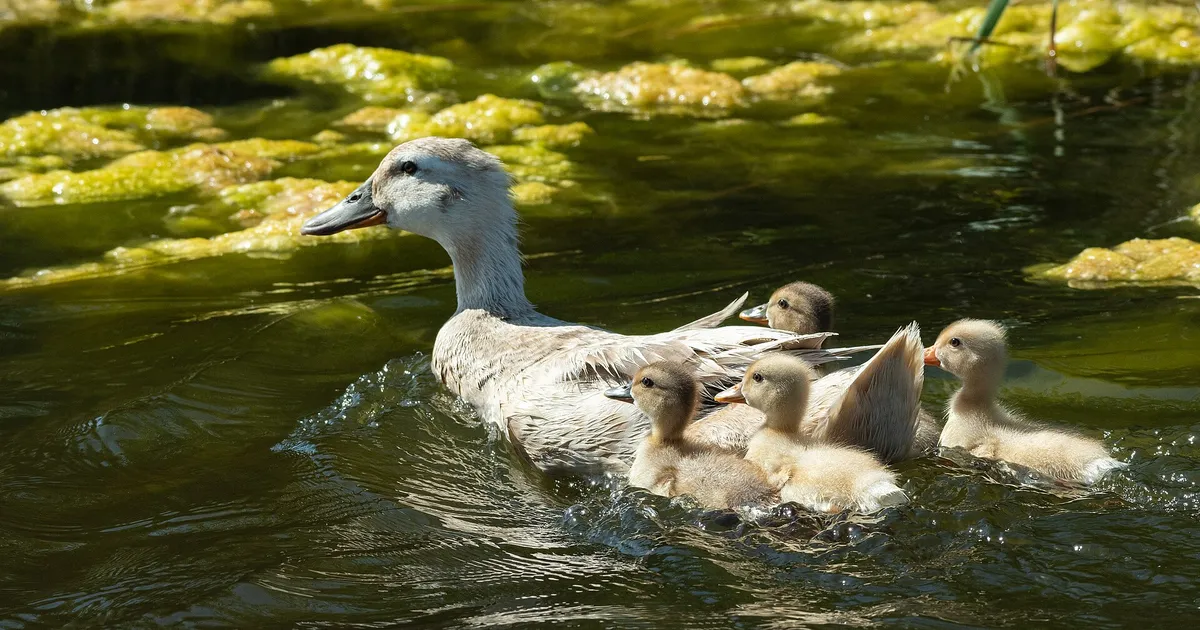
Duck incubation takes 28 days. The complete duck incubation guide: temperature, humidity, egg turning, daily cooling and misting, and the hatch period, step by step.
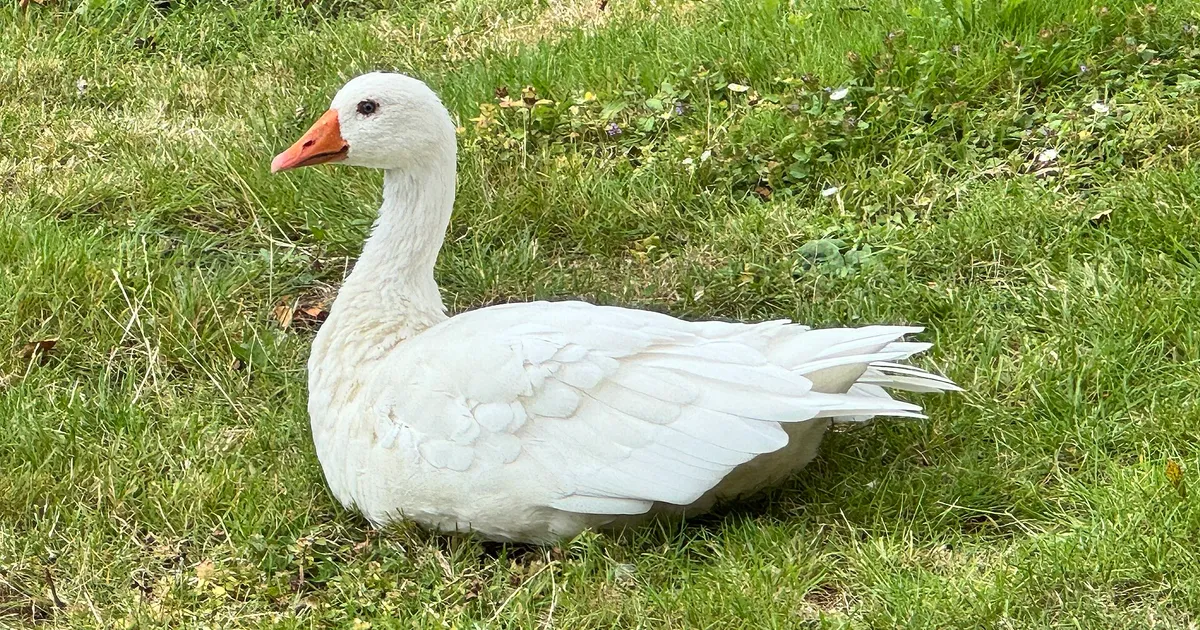
Goose incubation takes 28-34 days (about 30 on average). The complete goose incubation guide: temperature, humidity, egg turning, daily cooling and misting, and the hatch period, step by step.
Incubation Tracker
Never miss an incubation day