Ostrich Farming: Three Products, Two Toes and a Kick That Kills
The ostrich (Struthio camelus) is the last and most extreme bird in this series. Technically it is poultry — but it doesn't fly, has two toes, yields red meat and can kill you.
Ostrich farming began in a wave of excitement in the 1990s and ended in disappointment for most of the farms that tried it. This guide takes it without the hype: where the money actually comes from, why the bird is dangerous, why the chicks die, and the one question you must answer before you start.
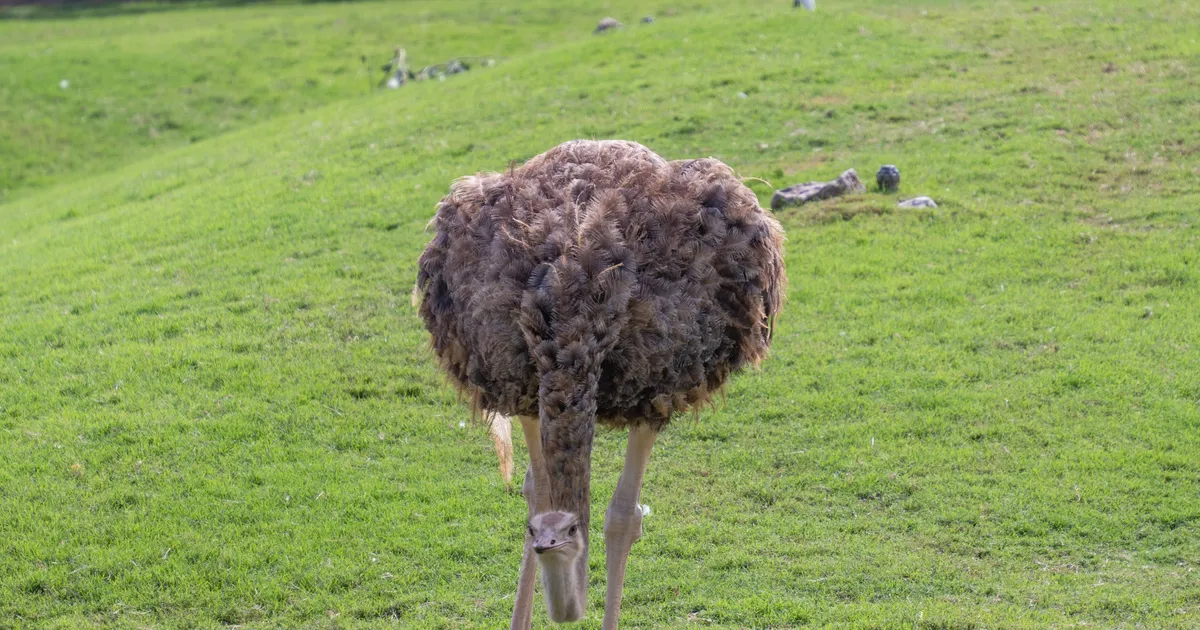
One Bird, Three Products
The economics rest on a single fact: far more than the meat is sold.
| Product | Per bird | Note |
|---|---|---|
| Leather | 1-1.5 m² | Usually the most valuable product. Luxury bags and shoes; known by its quill-follicle pattern |
| Meat | 30-40 kg | Red meat; low in fat and cholesterol |
| Feathers | 1-1.7 kg a year | Fashion, decor and dusters (static electricity) |
| Eggshell | — | Carving and ornament; small, but income |
The critical point: an ostrich farm's profit usually comes from the hide, not the meat. If you have no access to a tannery that handles ostrich and no buyer for the skin, you are throwing away most of the bird's value. That, more than anything, is why farms fail.
Poultry — but Red Meat
Every other bird in this series gives white or dark poultry meat. The ostrich does not.
Ostrich meat is red — it looks, feels and tastes like beef. The reason is muscle physiology: the bird does not fly, it runs (up to 70 km/h), and its leg muscles are dense with myoglobin.
- The fat content is low, and the cholesterol lower than beef or chicken
- Almost all the meat is in the thigh and leg — there is no breast meat, because the breast muscle never flies (compare the turkey, bred for exactly that muscle)
- So the ostrich competes in the red-meat market, not the poultry one
Two Toes — and a Kick That Kills
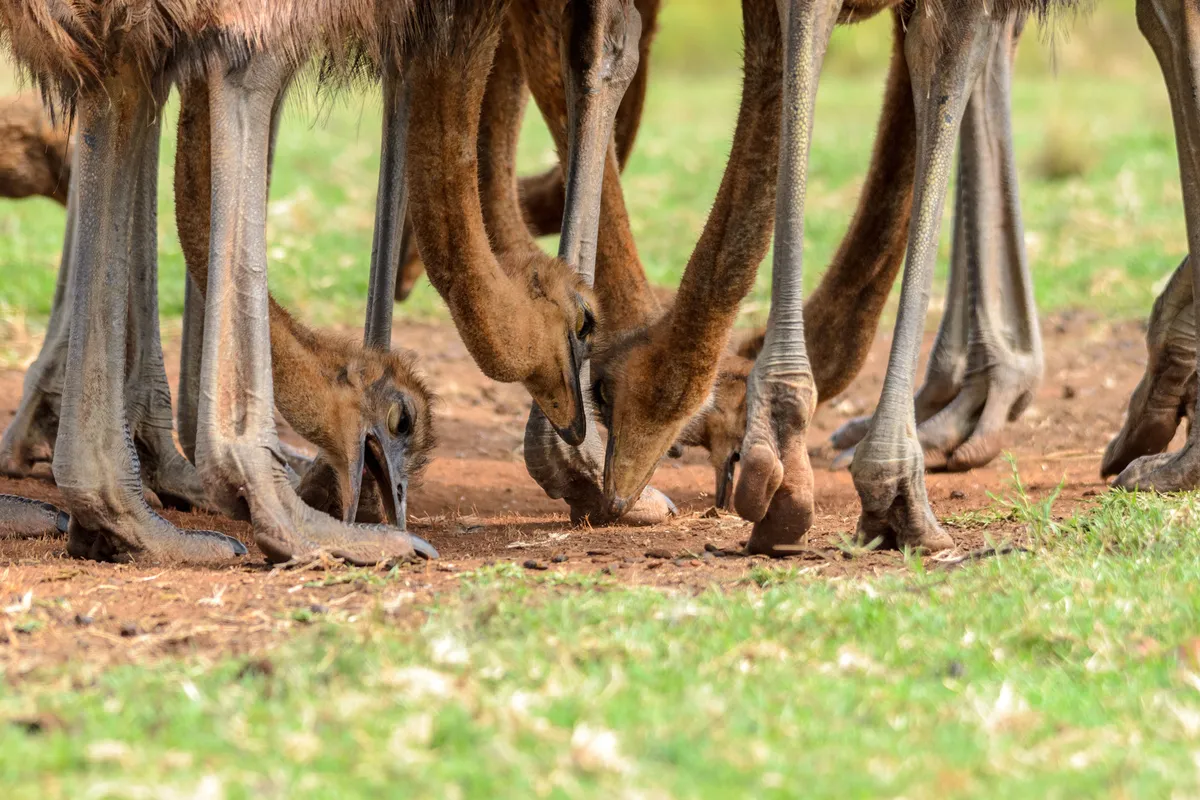
We have made a habit of counting toes in this series: five in the Faverolles, four in an ordinary hen. Two in the ostrich. No other bird has so few.
The larger of those two toes carries a claw up to 10 cm long — for gripping the ground at speed. And that claw is what makes the ostrich genuinely dangerous.
Safety: Do Not Take This Lightly
- The kick goes forward and downward. An ostrich cannot kick backward. The danger is in front of you.
- The leg muscle is enormous, and a clawed kick can open a man's abdomen and kill him. This is not folklore; fatal accidents are on record.
- The most dangerous moment: the breeding male, in season (spring and summer). His beak and shins turn bright red, he dances with his wings spread and hisses. Do not enter that paddock alone.
- Don't run — you cannot outrun it (70 km/h). Back away slowly.
- Use a tool: a long broom, a V-board or a thorny branch keeps the bird off; an ostrich won't push past something taller than itself.
- The hood trick: put a sock or hood over an ostrich's head and it calms down. That is how professional farms examine and move them.
Output in Numbers
| Trait | Value |
|---|---|
| Male weight | 100-150 kg (2-2.7 m) |
| Female weight | 90-110 kg |
| Breeding age | 2-3 years |
| Eggs per season | 40-80 (March-September) |
| Egg weight | 1.4-1.6 kg (≈24 hen eggs) |
| Incubation | 42 days |
| Slaughter age | 10-14 months (90-100 kg) |
| Breeding unit | A trio: one male, two females |
| Lifespan | 40-50 years (breeding for 30) |
It lays the largest egg in the world — and, relative to its body, the smallest. Laying is seasonal, as with the goose and the peafowl.
Incubation: Not Candling — Weighing
Ostrich incubation is the most technical job in this series, and it departs from the hen's on three points:
- 42 days — twice a chicken's
- Very low humidity: 20-30%. An ostrich egg drowns in too much moisture. Carry the 45-55% habit over from chickens and you kill the embryo.
- Weight-loss tracking: the egg must lose 13-15% of its weight across incubation. Too little and the embryo drowns; too much and it dries out.
And candling is nearly impossible: the shell is 2 mm thick and blocks the light. Instead of candling, you use an accurate scale: weigh the egg regularly and follow the weight-loss curve. In ostrich incubation the scale matters more than the lamp.
The detail is in our ostrich incubation guide. The Kuluçka Takip app builds the calendar by species (42 days for the ostrich) and reminds you of turning and hatch days. You can check out the app here.
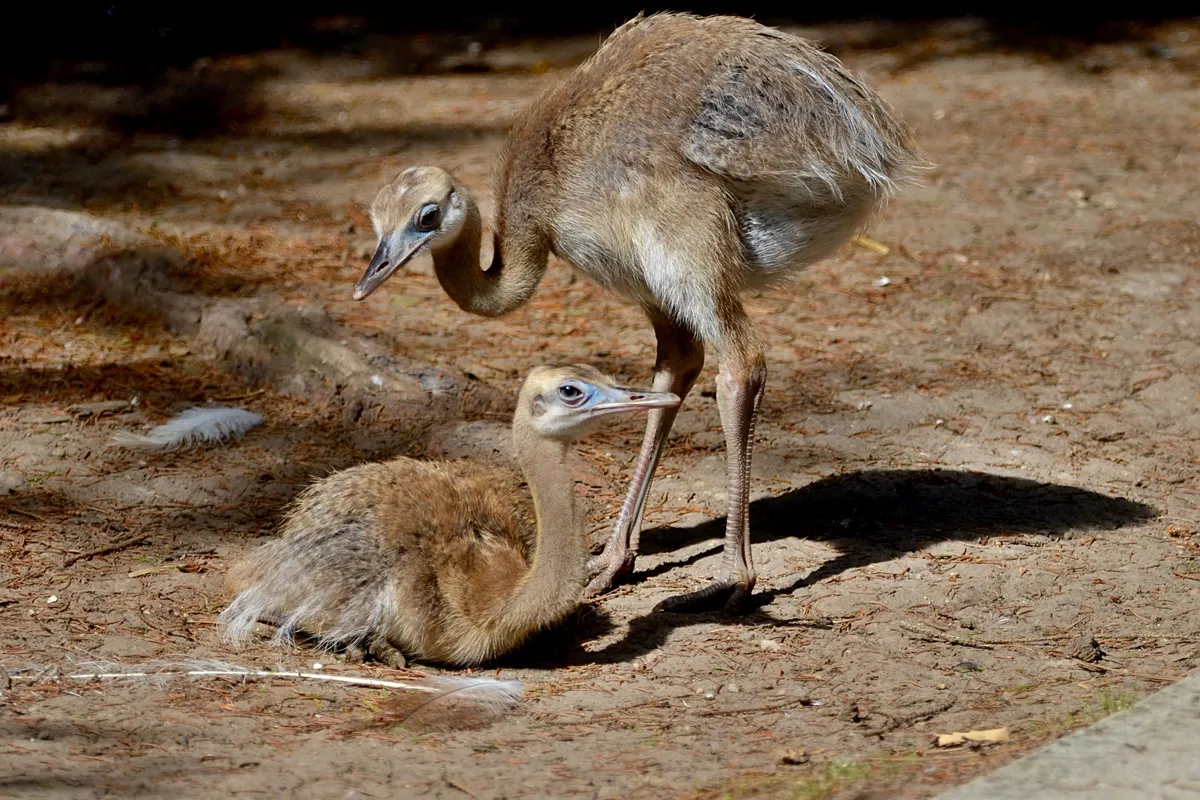
The Chicks: Where the Money Disappears
In ostrich farming the first three months are everything. Under poor management chick mortality runs to 30-50% — and every chick lost was, months later, 40 kg of meat and 1.3 m² of leather.
Three main causes of death:
- Leg problems: a slippery floor (concrete, lino) makes the chick's legs splay outward and cripples it for life. The floor must give grip — sand, coarse bedding, rubber matting. Excess protein and lack of movement also bend the legs: an ostrich chick has to walk and run.
- Impaction: an ostrich chick swallows anything that shines — nails, wire, stones, plastic, screws. It blocks the gizzard and the bird dies. The rule: comb the paddock and the brooder metre by metre. Nothing bright should ever lie on the ground of an ostrich farm.
- Heat and stress: 32-35 °C in the first week. The logic of our brooder guide applies, on a much larger floor. Chicks are very sensitive to stress and to wet.
Paddocks and Housing
- Breeding unit: a trio (one male, two females) or a pair, each in its own paddock.
- Space: at least 500-1000 m² per trio. An ostrich must run; a cramped pen brings leg trouble and poor fertility.
- Fencing: 1.8-2 m, strong and visible. A panicking bird that runs into a fence breaks its neck; wire is dangerous, timber or pipe is better.
- No corners: round off the paddock corners — a panicking bird jams itself into a corner and injures itself.
- Shade and water: shade is essential; the ostrich takes heat well but must not be left without it.
- Hygiene: the rules in our biosecurity guide apply — and, again, leave nothing loose on the ground.
The Hard Question
Ostrich farming took off on great expectations, breeding-stock prices soared, farms were built — and then most of them closed. The problem was never the bird. It was the market.
Before you start, you must be able to answer this:
"Who is going to buy the meat, the hide and the feathers of the bird I kill?"
- Meat: a niche product in the red-meat trade; you need restaurant and hotel contacts
- Leather: you must find a tannery that handles ostrich; without one, the most valuable part of the bird is wasted
- Selling breeding stock: in the early years farms made money selling stock to each other — that is a bubble, and it cannot last without a market for the products
If your answer is "I don't know", don't start. The ostrich demands capital, land, a two-to-three-year wait — and a market that already exists.
Who Is It For?
The ostrich suits you if: you have the land (500-1000 m² per paddock) and serious capital; you already have buyers for meat, leather and feathers; you can wait two or three years without income; and you can work with a dangerous animal with discipline.
It doesn't suit you if: you're thinking of it as a hobby (it is not a hobby animal); your land is small; you don't know who will buy the products; or children will have access to the paddock (the kick kills).
If you want a big bird and a safer business, look at the turkey (20 kg, the same feed logic, a real market) or the goose (pasture plus meat plus down, at a fraction of the risk).
Frequently Asked Questions
Where does the money in ostrich farming actually come from?
Usually from the hide, not the meat. One bird yields 1-1.5 m² of luxury leather, 30-40 kg of red meat and 1-1.7 kg of feathers a year. Without access to a tannery that handles ostrich and a buyer for the skin, the most valuable part of the bird is wasted — which is the main reason farms fail.
Why is ostrich meat red?
Because the bird does not fly — it runs (up to 70 km/h), and its leg muscles are dense with myoglobin. The meat looks, feels and tastes like beef and is low in fat and cholesterol. Almost all of it is in the thigh and leg: the breast muscle never flies, so there is no breast meat.
Are ostriches dangerous?
Genuinely, yes. The larger of its two toes carries a claw up to 10 cm long, and the kick goes forward and downward (it cannot kick backward). A clawed kick can open a person’s abdomen; fatal accidents are on record. The most dangerous moment is a breeding male in season, when his beak and shins turn bright red. Don’t run (70 km/h) — back away slowly, and use a long broom or a board.
What humidity does an ostrich egg need?
Very low: 20-30%. An ostrich egg drowns in too much moisture, so carrying the 45-55% habit over from chickens kills the embryo. Incubation runs 42 days, and the egg must lose 13-15% of its weight across that period.
Can you candle an ostrich egg?
Barely. The shell is 2 mm thick and blocks the light. Instead you use an accurate scale: weigh the egg regularly and follow the 13-15% weight-loss curve. In ostrich incubation the scale matters more than the lamp.
Why do ostrich chicks die?
Three main reasons: (1) a slippery floor splays their legs and cripples them for life — the floor must give grip (sand, coarse bedding, rubber); (2) they swallow anything that shines (nails, wire, stones) and the gizzard blocks, so comb the paddock metre by metre; (3) heat and stress. Under poor management, chick mortality runs to 30-50%.
How many eggs does an ostrich hen lay a year?
40-80 in a season (March-September); laying is seasonal. The egg weighs 1.4-1.6 kg — about 24 hen eggs, and the largest egg in the world. Hens come into breeding at two or three years; the bird lives 40-50 years and can breed for 30.
Related Articles
Emu and Rhea Farming: The Male Does the Incubating
The ostrich’s two cousins, two different businesses: the emu’s money is in oil (6-10 litres), the rhea’s in meat. All three share one oddity — the male incubates. A male emu barely leaves the nest for 50-56 days, eating and drinking nothing and losing up to a third of his body weight; a male rhea alone incubates the 10-60 eggs that several females lay in his single nest. The toe table: two in the ostrich, three in the emu and rhea, four in a hen, five in the Faverolles.
Keeping Peafowl: The Train, Three Years of Patience and Blackhead
The peacock’s famous fan is not a tail but the train — elongated upper tail coverts — and it is moulted every year, so the bird never needs plucking. The cock’s train takes three years and the hen’s first egg two; the call carries over a kilometre; and peafowl raised on chicken ground die of blackhead.
The İspenç: Turkey's Five-Toed, Feather-Legged Bantam (a Booted Bantam Relative)
The İspenç is Turkey's native ornamental bantam: five-toed (polydactyly) and feather-legged — two rare traits in one bird. A relative of the Booted Bantam (Sabelpoot) and the Barbu d'Uccle, but a separate breed. Despite being ornamental it lays 180-200 eggs a year on only 60-65 g of feed a day; the 17 EE-recognised colours, the rose comb, a history reaching 5th-century mosaics, and foot-feathering care.