Pheasant and Partridge Farming: Licences, Flight Pens and Cannibalism
Pheasants and partridges are not poultry. They are wild birds — undomesticated creatures kept in a pen. That single sentence explains everything about rearing them: why they injure each other, why they die by hitting the roof, and why you need a licence before you start.
This guide takes game-bird farming realistically: the species, the cannibalism problem and its remedies (blinders and bits), why a flight pen must have a netted roof, and the completely opposite mating systems of the pheasant and the partridge.
First, the Law: These Birds Are Regulated
This is the most commonly skipped — and costliest — part.
The pheasant (Phasianus colchicus) and the partridges (Alectoris species) are wildlife species in most countries. They cannot be bought and sold as freely as chickens. Breeding, keeping and selling them generally requires a game-bird licence or breeder's permit from the wildlife authority; the holding is registered and inspected.
- Keeping them unlicensed risks a fine and confiscation of the birds
- Taking eggs or young from the wild is prohibited
- Buy breeding stock from a licensed game farm and keep the paperwork
- Releasing birds for shooting is usually a separate permission
The rule: apply to your wildlife authority before you build the pen. (In Britain, the US, the EU and Türkiye the rules differ — but they exist everywhere. Check yours.)
The Species
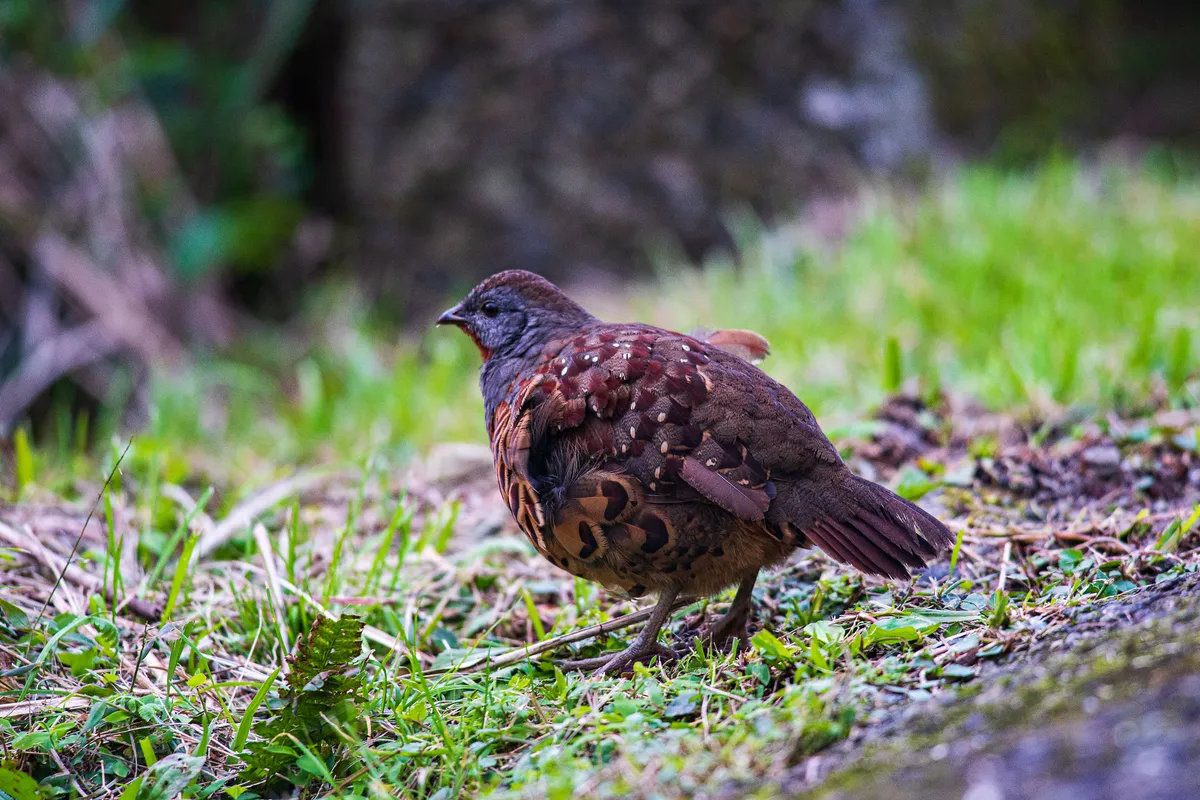
| Bird | Weight | Eggs/season | Incubation | Note |
|---|---|---|---|---|
| Ring-necked pheasant | 1.1-1.4 kg | 40-60 | 24-25 days | The cock is showy; polygamous |
| Chukar (A. chukar) | 500-750 g | 40-65 | 23-24 days | The most farmed partridge; monogamous |
| Rock partridge (A. graeca) | 500-700 g | 30-50 | 23-25 days | A mountain species |
| Red-legged (A. rufa) | 450-550 g | 40-50 | 23-24 days | Western Mediterranean |
| Grey partridge (Perdix perdix) | 350-450 g | 15-20 | 23-25 days | Ground-nesting; hard to farm |
A caged partridge lays more than a wild one (40-65). The hen comes into lay at four months and lays an egg a day from March to June. As with the goose and the turkey, the laying period is seasonal.
Problem Number One: Cannibalism
In game-bird farming what kills the birds is usually not disease. It is each other.
Pheasants and partridges are nervous birds, built to fly, used to open country. Confine them and the stress builds until the chain of feather-pulling → pecking → cannibalism begins. It is a far more violent version of the pecking problem in chickens: a pheasant pen can suffer heavy losses in days.
The causes: overcrowding, nowhere to hide, bright light, high-protein feed and boredom.
The fixes, in order:
- Give them space. This is the one that works. Aim for 1.5-1.7 m² per bird in the flight pen. In a crowded pen no other measure will save you.
- Give them cover. Put brush, maize stalks, bundles of branches inside the pen. A bird that can hide escapes the aggressor; sight lines break and fighting drops. It is the cheapest fix, and the one most keepers skip.
- Dim the light. Use low or red light — blood stops showing, and pecking isn't triggered.
- Feed greens. Grass, alfalfa, cabbage: occupation and fibre together.
- Mechanical devices: if it persists, commercial farms use two:
- Blinders (spectacles): a plastic piece clipped through the nostrils that stops the bird seeing straight ahead — it sees sideways, it eats, but it cannot aim a peck.
- Bits: a small ring that keeps the beak from closing fully; the bird can feed but cannot pull feathers.
The Flight Pen: The Roof Must Be Netting
This is the deadly mistake new keepers make.
A startled pheasant or partridge launches straight upward. If the roof is hard — sheet metal, timber, tight wire — the bird strikes it head and neck first, and a broken neck is a common cause of death.
- The roof must be soft, flexible netting — it gives when the bird hits it
- Pen height at least 2-2.5 m
- Fine wire on the sides; the floor dry and natural (soil, sand, grass)
- Pheasants need real flying distance — essential for muscle and for surviving a release
- Predator-proof it: marten and fox from below, hawks from above. The rules in our biosecurity guide apply.
Mating Systems: Pheasant and Partridge Are Opposites
Miss this difference and your fertility collapses.
| Pheasant | Partridge (Alectoris) | |
|---|---|---|
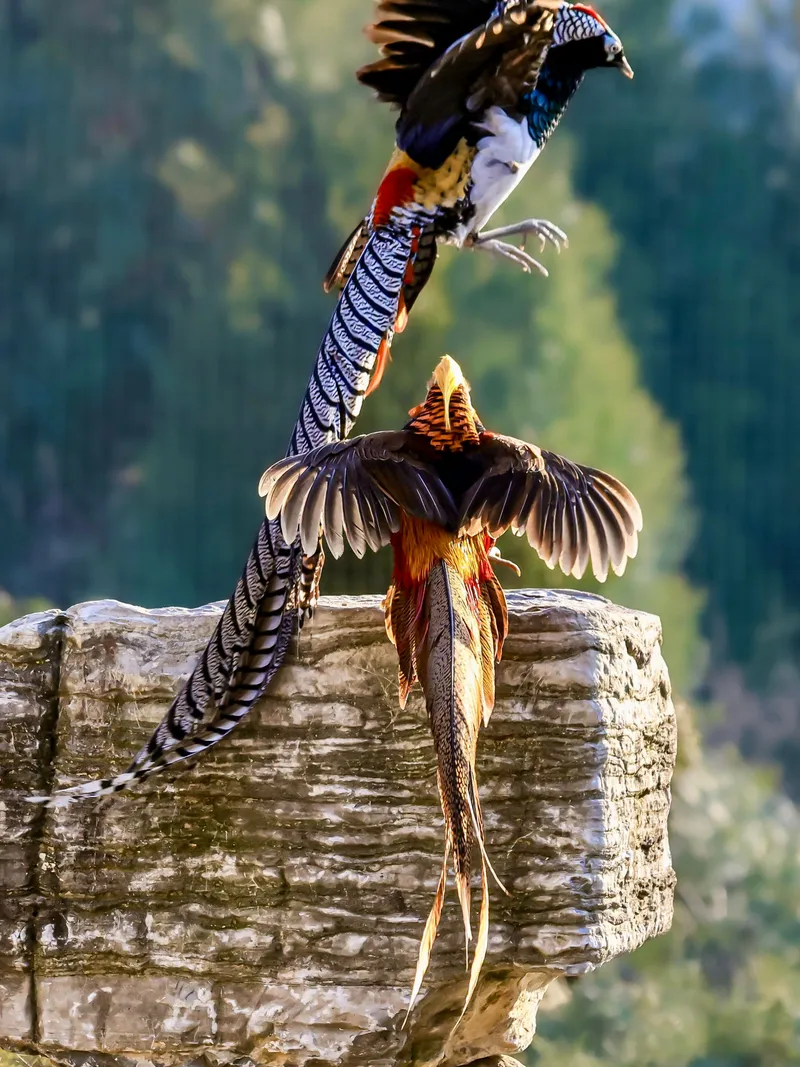
| System | Polygamous | Monogamous |
| Ratio | 6-10 hens per cock | One cock + one hen (a pair) |
| Setup | A harem group | Separate pair pens |
The pheasant works like a cockerel: one male fertilises many hens. Add extra cocks and they fight.
The partridge pairs up. Breeding partridges must be kept as pairs, in separate pens. Kept as a flock, the pairings break down, fighting rises and fertility drops.
A curious fact: in the wild, an Alectoris hen sometimes lays two separate clutches — the cock incubates one and she incubates the other, so two broods run in a single season. It is rare behaviour among birds.
How Do You Tell the Sex?
The pheasant is easy — one of the sharpest sex differences in any bird:
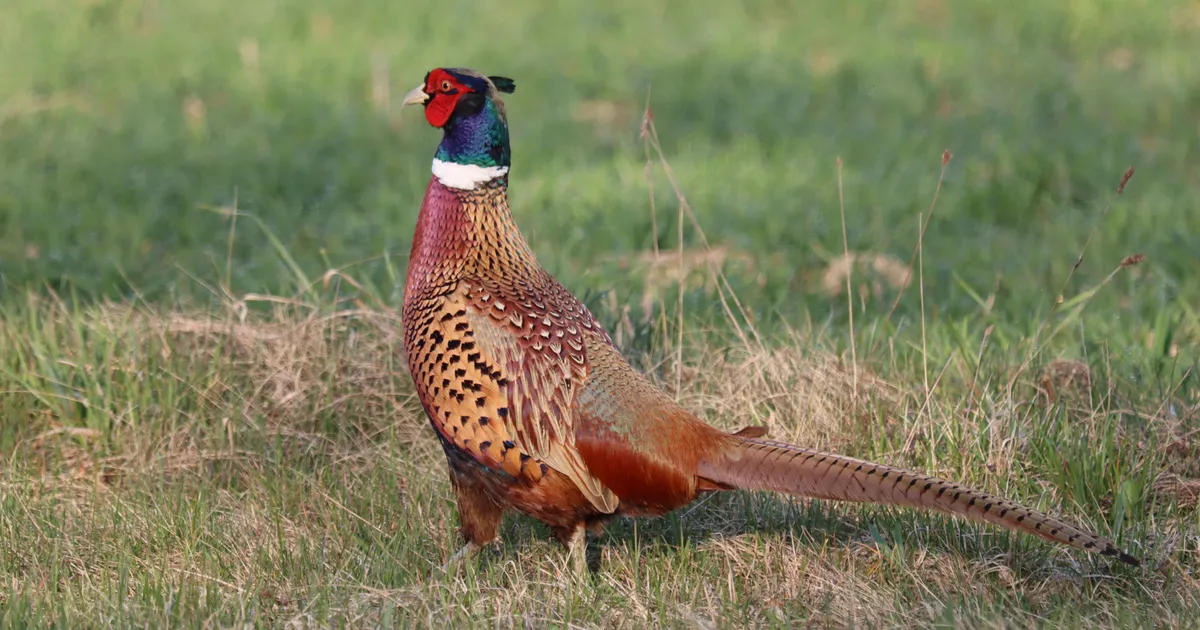
- The cock: a copper-red body, an iridescent green-blue head, a white neck ring, a very long tail and a leg spur
- The hen: dull brown and mottled, short-tailed, no ring (camouflage)
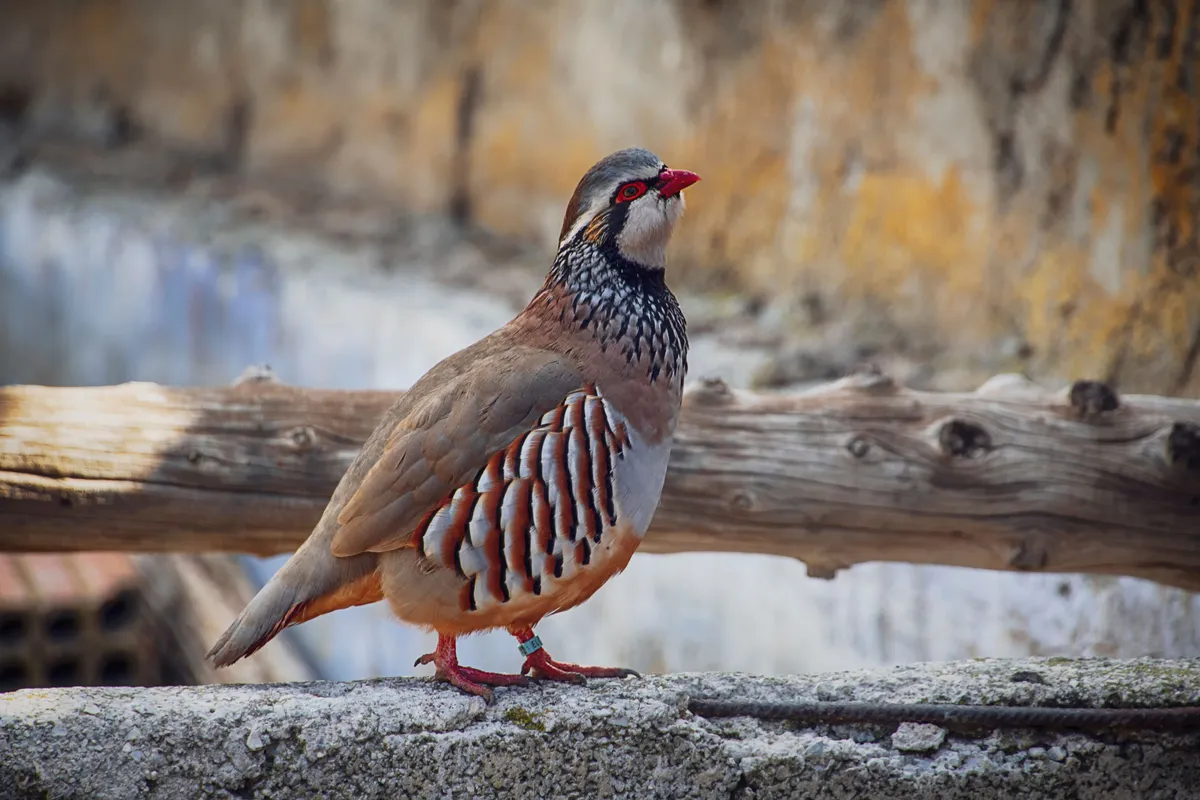
The partridge is hard: the sexes look almost identical. To tell them apart:
- The leg knob: the male carries a distinct, blunt knob (a spur base) on the back of the leg; the hen has none, or a tiny one. This is the most reliable marker.
- The male is slightly bigger and thicker-headed (needs a comparison)
- The call: the male's is stronger and more insistent
Set against the rest of the series:
| Bird | How |
|---|---|
| Pilgrim goose | Hatch day — by the down |
| Pharaoh quail | Week 3-4 — by the breast feathers |
| Guinea fowl | Month 2-3 — by the call only |
| Pheasant | Obvious — by the plumage |
| Partridge | Hard — by the knob on the leg |
Incubation
- Period: pheasant 24-25 days; partridge 23-24 days (shorter than a hen)
- Lockdown: day 21-22 for pheasant, 20-21 for partridge
- Hatchability: partridge eggs are reported to hatch at up to 90% — a productive species when managed well
- Candling: partridge eggs are cream with speckles, pheasant eggs olive-brown; candling needs a strong light
- Natural incubation: penned pheasants and partridges usually won't go broody — captivity suppresses the instinct. The usual answer is to set the eggs under a broody hen or to use an incubator.
The detail is in our pheasant and partridge incubation guide. The Kuluçka Takip app builds the calendar by species and reminds you of turning, lockdown and hatch days. You can check out the app here.
Rearing the Chicks
- Protein: starter must be 26-28% protein — chick feed (20%) is not enough. It is the same level as turkey poult feed.
- Heat: 35-37 °C in the first week; use the schedule in our brooder guide and shift it up.
- A LID IS ESSENTIAL: the chicks start flying at two weeks. Keep the brooder covered.
- Cannibalism starts early: put cover (twigs, paper tunnels) even in the brooder, dim the light and don't crowd them.
- Drinkers: keep them shallow and add pebbles (drowning risk).
Who Is It For?
Game-bird farming suits you if: you can get the licence; you have room for a large flight pen; your aim is game sales, release or ornament; and you are ready to work with a nervous, wild bird.
It is not for you if: you plan to keep them like poultry in a small garden (cannibalism and broken necks are then unavoidable); you want eggs or steady meat (output is seasonal and low); or you don't want to deal with permits.
If you came for eggs or meat, the better address is the quail (no licence, laying at 6-7 weeks) or a laying hen.
Frequently Asked Questions
Do you need a licence to keep pheasants and partridges?
Yes, in most countries. They are wildlife species, so breeding, keeping and selling them requires a permit from the wildlife authority (in Türkiye, the DKMP directorate); the holding is registered and inspected. Keeping them unlicensed risks a fine and confiscation, and taking eggs or young from the wild is prohibited. Apply before you build the pen.
Why do pheasants and partridges peck each other?
Cannibalism is the number-one problem in game-bird farming. The causes are crowding, nowhere to hide, bright light, high protein and boredom. The fixes, in order: 1.5-1.7 m² per bird, cover inside the pen (brush, branches, maize stalks), dim or red light, and green feed. If it persists, blinders or bits are used — but those are stopgaps; the real cure is space and cover.
What should a pheasant pen’s roof be made of?
Soft, flexible netting — never anything hard. A startled pheasant or partridge launches straight up, and against sheet metal, timber or tight wire it strikes head and neck first; a broken neck is a common cause of death. Netting gives on impact. The pen should be at least 2-2.5 m high.
How many hens per cock pheasant?
The pheasant is polygamous: 6-10 hens per cock. The partridge is MONOGAMOUS — breeding partridges must be kept as pairs in separate pens. Keep partridges as a flock and the pairings break down, fighting rises and fertility drops.
How do you sex a partridge?
It’s hard: the sexes look almost identical. The most reliable marker is the knob on the leg — the male has a distinct, blunt knob (a spur base) at the back of the leg; the hen has none, or a tiny one. The pheasant is easy: the cock is copper-red with an iridescent head, a white neck ring and a very long tail; the hen is dull brown.
How long is incubation for pheasant and partridge?
Pheasant 24-25 days, partridge 23-24 days — shorter than a hen. Lockdown is on day 21-22 for pheasant and 20-21 for partridge. Penned birds usually won’t go broody, so you set the eggs under a broody hen or use an incubator.
How many eggs does a partridge lay a year?
A caged chukar lays 40-65 eggs in a season — more than a wild one. The hen comes into lay at four months and lays an egg a day from March to June. The laying period is seasonal.
Related Articles
Keeping Peafowl: The Train, Three Years of Patience and Blackhead
The peacock’s famous fan is not a tail but the train — elongated upper tail coverts — and it is moulted every year, so the bird never needs plucking. The cock’s train takes three years and the hen’s first egg two; the call carries over a kilometre; and peafowl raised on chicken ground die of blackhead.
Pecking and Cannibalism in Chicks: Causes and Prevention
Why do pecking and cannibalism happen in chicks and how to prevent them? Overcrowding, light, heat, nutrition and wound causes; prevention with space, dim light and enrichment, and what to do once it starts.
Canary Colour Mutations: Two Genes That Kill in Double Dose
The canary is bred in three directions: song, colour, shape. Its most striking feature is two lethal dominant genes: dominant white and the crest kill the embryo in double dose — just like the Araucana ear tuft. The white × yellow and crested × plainhead pairing rule, how the red factor came from the red siskin and colour feeding, and sex-linked melanin mutations.