Turkey Breeds: Commercial (Broad Breasted) vs Heritage
The turkey is the largest meat bird in poultry: a tom can top 20 kg. But the modern commercial turkey has a startling property most keepers never hear about — and it decides whether your flock can renew itself at all.
This guide compares the commercial (Broad Breasted) turkeys with the heritage breeds, sets out the number-one fatal mistake in turkey keeping (raising them on ground the chickens use), and explains why poults are so fragile.
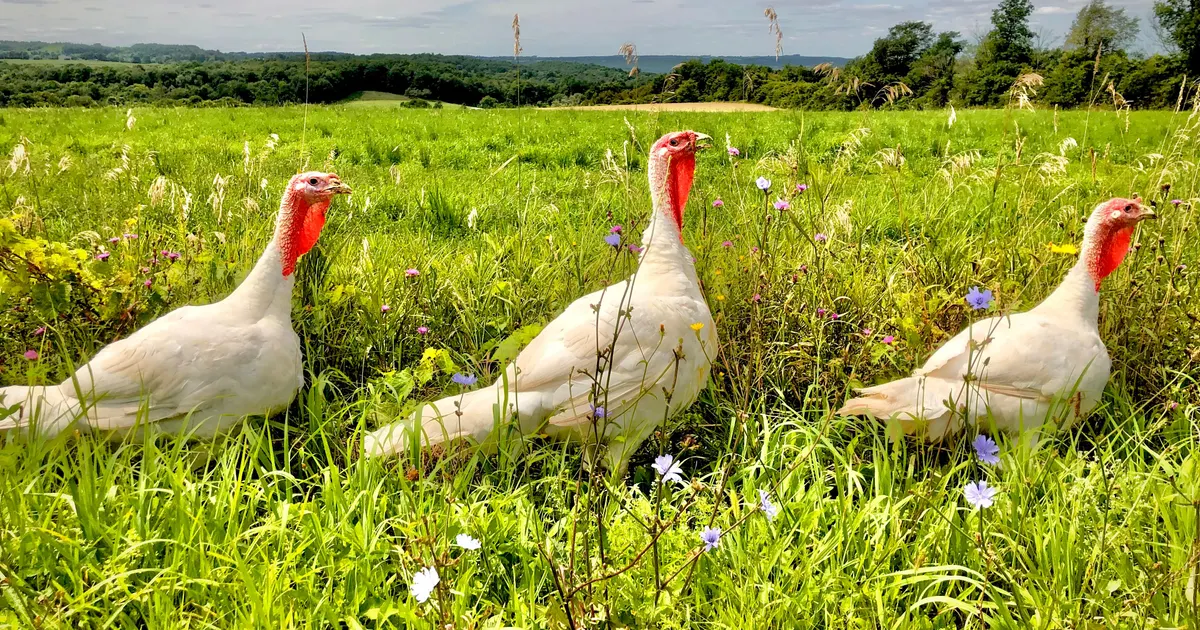
The Commercial Turkey Cannot Breed on Its Own
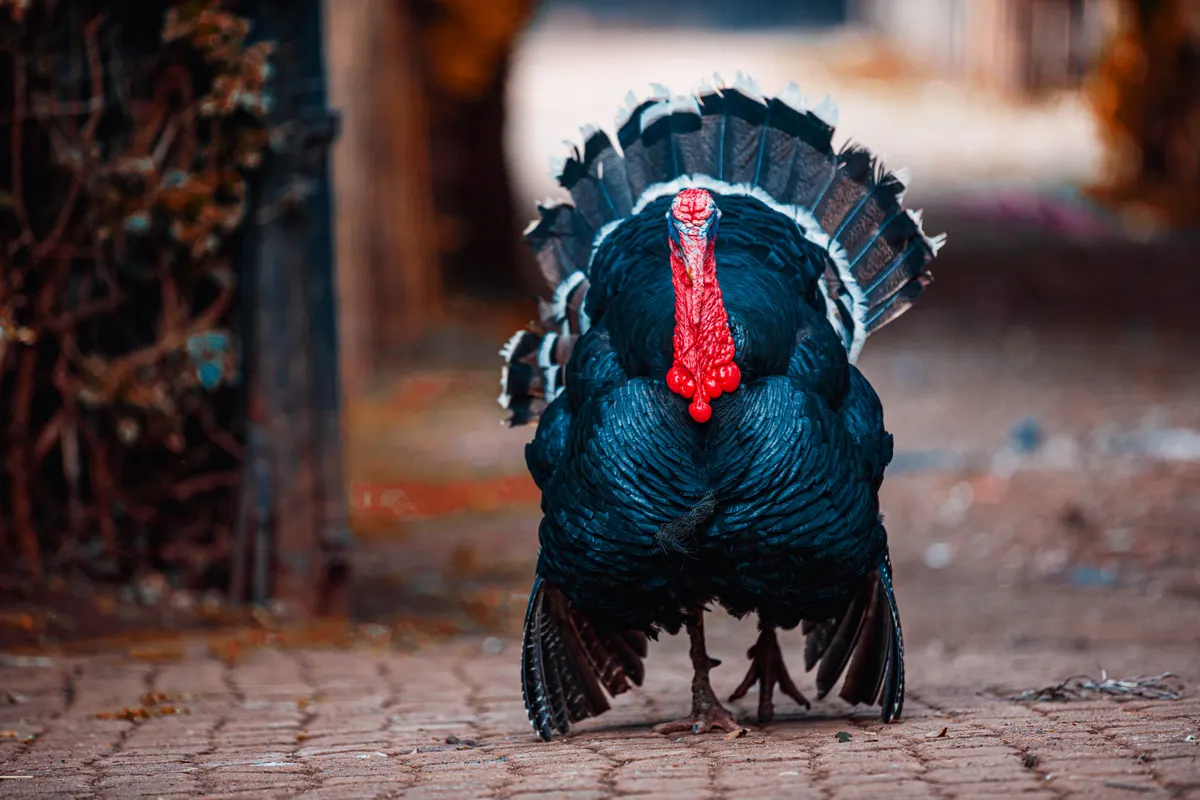
The Broad Breasted White and the Broad Breasted Bronze produce nearly all the turkey meat in the world. They have been selected so hard for breast meat that the tom physically cannot mount the hen.
This is not sterility — it is a physical impossibility. The broad breast, the shortened keel and the short shanks make mating mechanically impossible. The result: commercial turkeys are produced only by artificial insemination.
For anyone following this series, that is the fourth and harshest barrier to a self-renewing flock:
| Bird | The barrier | Can it hatch its own replacements? |
|---|---|---|
| Lohmann / Atak-S hen | An F1 hybrid | It hatches, but the chicks don't come true |
| Muscovy × ordinary duck | A sterile cross (the mulard) | No — the offspring cannot breed |
| Goose / quail | None | Yes |
| Commercial turkey (Broad Breasted) | It cannot mate | No — insemination is required |
The practical upshot: if you keep commercial turkeys you must buy poults every year. If you want to renew your flock from your own eggs, you need a heritage breed.
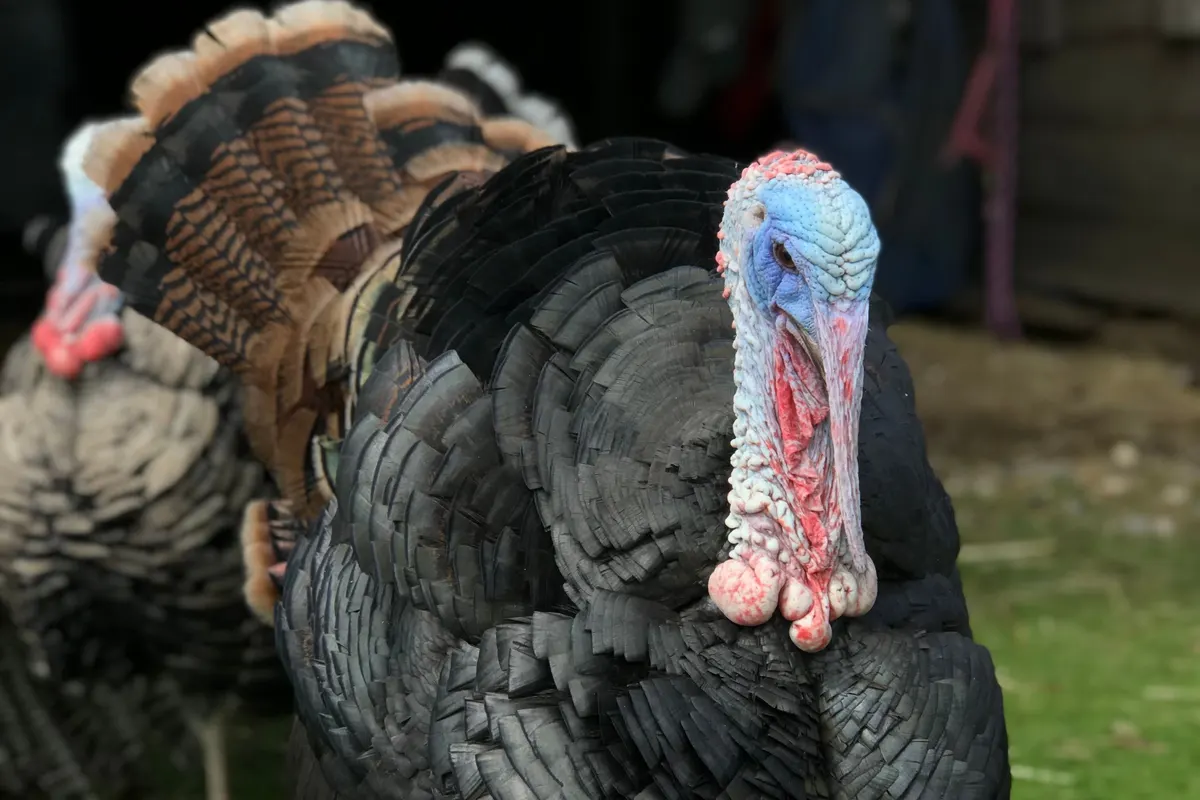
Commercial or Heritage?
| Commercial (Broad Breasted) | Heritage | |
|---|---|---|
| Tom's weight | 18-22 kg | 7-13 kg |
| Slaughter age | 14-18 weeks | 24-30 weeks |
| Natural mating | No | Yes |
| Flight / foraging | Next to none | Flies, forages well |
| Leg and heart trouble | Common | Rare |
| Breeding life | — | 5-7 years |
| Meat | Huge breast, mild | More flavour, less breast |
A heritage turkey grows more slowly — but it finds its own food, ranges on pasture, stays healthy and renews its own flock. For a smallholder that is usually the right call.
The Breeds
| Breed | Tom | Eggs/season | Note |
|---|---|---|---|
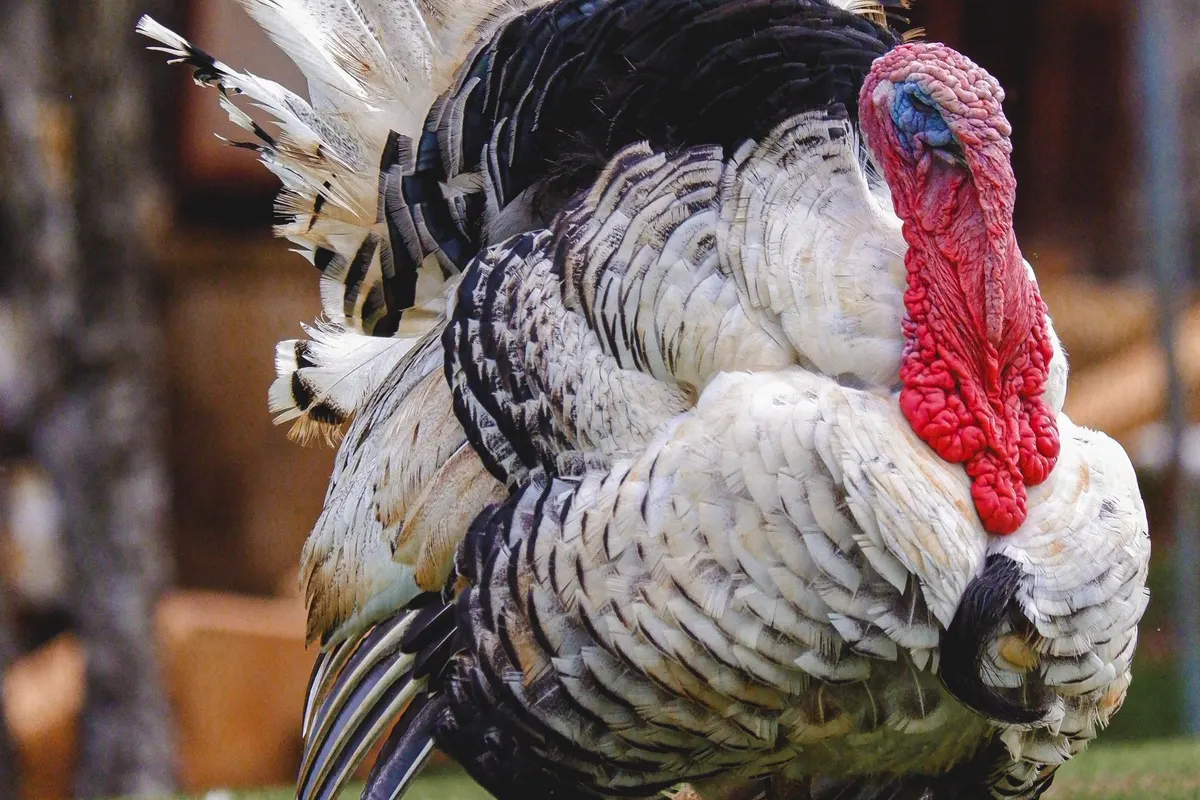
| Broad Breasted White | 17-20 kg | — | Commercial. White feathering = clean carcass; insemination |
| Broad Breasted Bronze | 17-20 kg | — | Commercial; bronze plumage. Insemination |
| Standard Bronze | 12-13 kg | 30-50 | Heritage; mates naturally |
| Narragansett | 12-13 kg | 30-50 | Calm, a fine forager, a good broody |
| Bourbon Red | 10 kg | 20-50 | Red and white; the meat is prized |
| Black (Spanish) | 10-11 kg | 20-50 | Hardy, suited to pasture |
| Royal Palm | 7 kg | 20-40 | An ornamental garden bird; light, flies |
| Landrace | 7-10 kg | 20-50 | Very hardy; a good broody; grazes |
The Broad Breasted White is not white by accident: it is the same logic we set out for the Pekin duck, the Embden goose and the Texas A&M quail — white feathers leave no feather-root marks, so the carcass looks clean. Every branch of commercial poultry repeats the same selection.
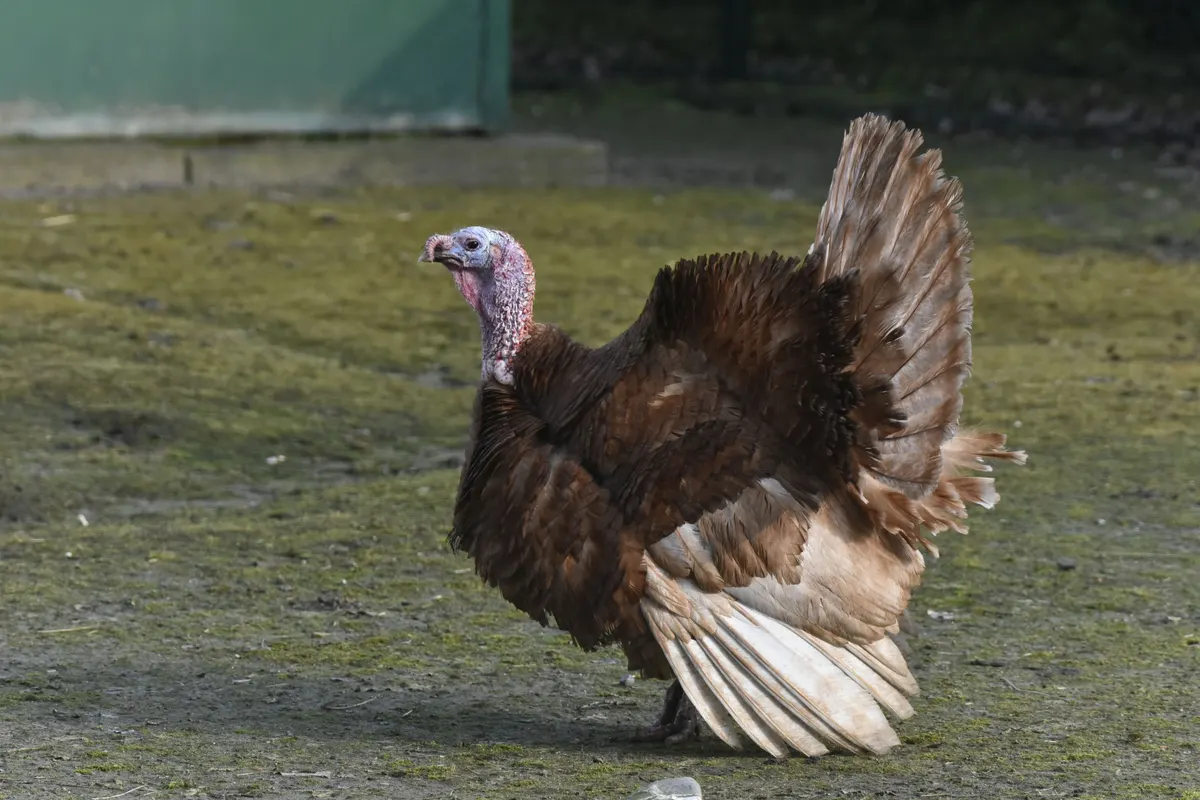
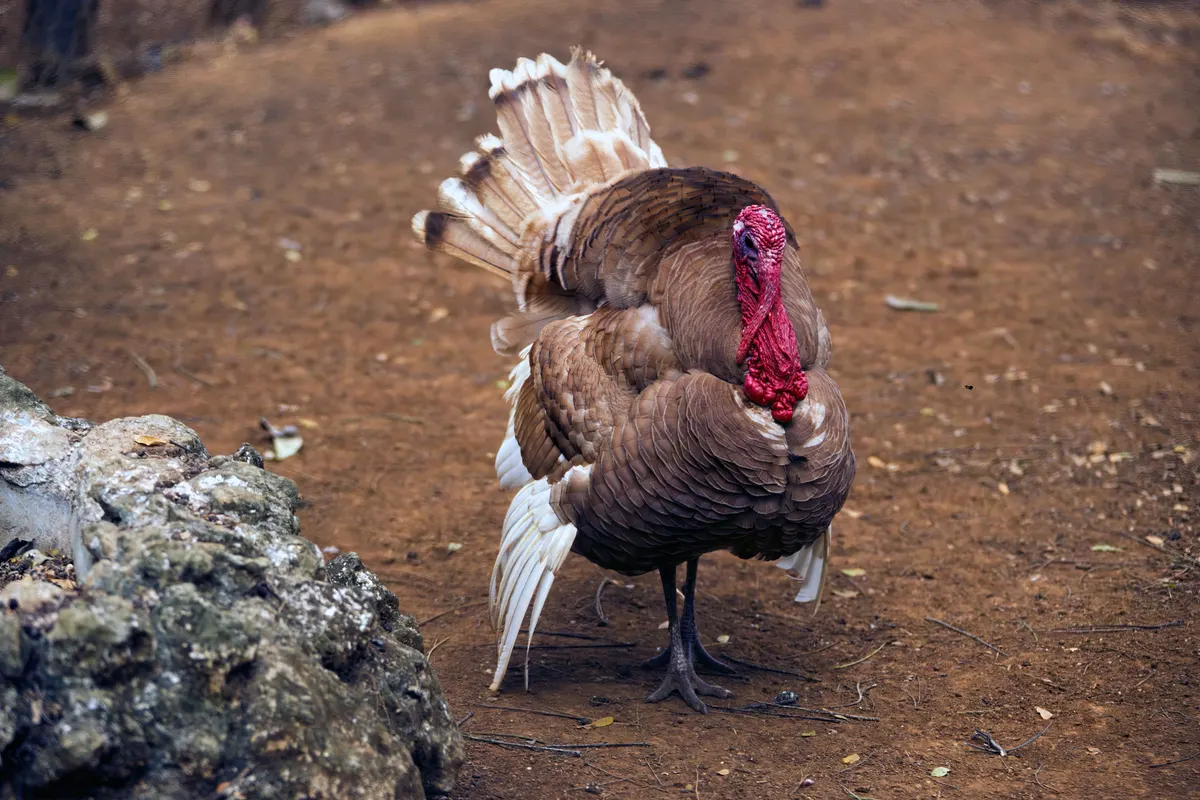
Rule Number One: Don't Raise Turkeys on Chicken Ground
This is the costliest and commonest mistake in turkey keeping.
Blackhead (histomoniasis) is caused by a protozoan, Histomonas meleagridis. The crucial part is this:
- Chickens carry the parasite but usually don't get ill — they are symptomless carriers. It leaves in the droppings inside the eggs of the caecal worm (Heterakis).
- Those eggs survive in the soil for years.
- A turkey that pecks that same ground falls ill — and in turkeys mortality runs to 50-100%.
The rule: raise turkeys away from ground the chickens use. Not the same house, not the same run, not even where chicken manure is spread. Don't carry soil across on your boots.
It is the sharpest example of the "separate the species" rule in our coop biosecurity guide. If you are dreaming of a mixed flock: chickens plus turkeys is the riskiest combination in poultry.
Why Are Poults So Fragile?
A turkey poult is markedly harder to rear than a chick. There are three reasons:
- They can't find the feed: a poult's instinct for recognising food is weak. In the first days they will stand beside the feeder and starve (the classic "starve-out"). The standard fix: put bright marbles or coloured beads in the feeder, or scatter a little hard-boiled egg yolk on top — the shine triggers pecking. Adding a couple of chicks to teach them works too, but the blackhead risk makes that method a bad idea.
- More protein: poult starter should be 28% protein (chick starter is 20-22%). A poult raised on chick feed stays stunted.
- More heat: the first week wants around 37 °C — two or three degrees warmer than for chicks. Use the schedule in our brooder setup guide and shift the numbers up.
Get past the first four to six weeks and the turkey becomes a tough bird. It is the beginning that is hard.
Eggs and Incubation
- Eggs: 40-100 in a season depending on breed; seasonal — like the goose, the turkey lays in spring, not all year
- Egg weight: 75-90 g; cream, speckled with brown
- Incubation: 28 days (the same as a duck, a week longer than a hen)
- Lockdown: day 25
- Candling: the speckling blocks the light; candle with a strong, narrow beam and look for a clear window between the speckles
- Natural incubation: landrace turkeys and the Narragansett are good broodies; the commercial lines have no such instinct
The detail is in our turkey incubation guide. The Kuluçka Takip app builds the calendar by species (28 days for turkeys) and reminds you of turning, lockdown and hatch days. You can check out the app here.
A fertility note: in heritage breeds 5-8 hens per tom is plenty. A heavy tom can injure a hen; for ways to lift fertility see our guide on egg fertility.
How Do You Tell the Sex?
Sexing a poult is hard (it takes a vent check), but it becomes obvious as the bird grows — the turkey has one of the most visible sex differences in poultry:
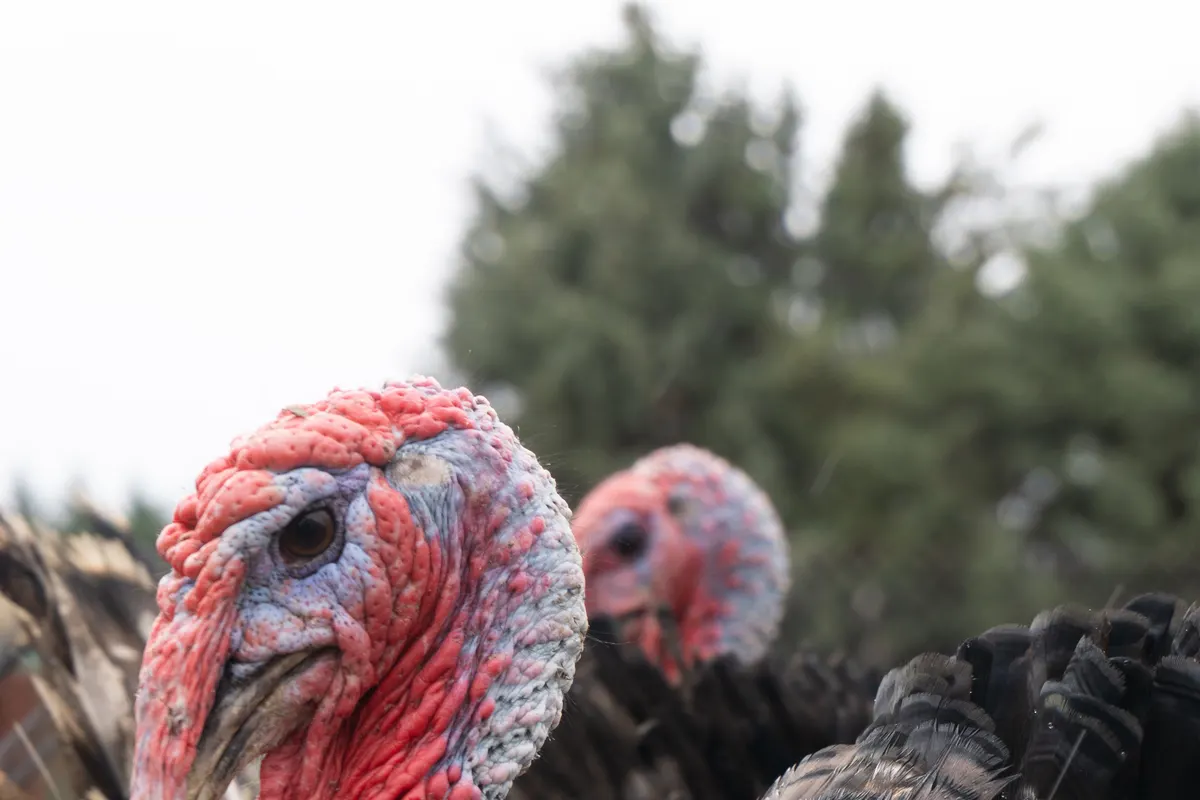
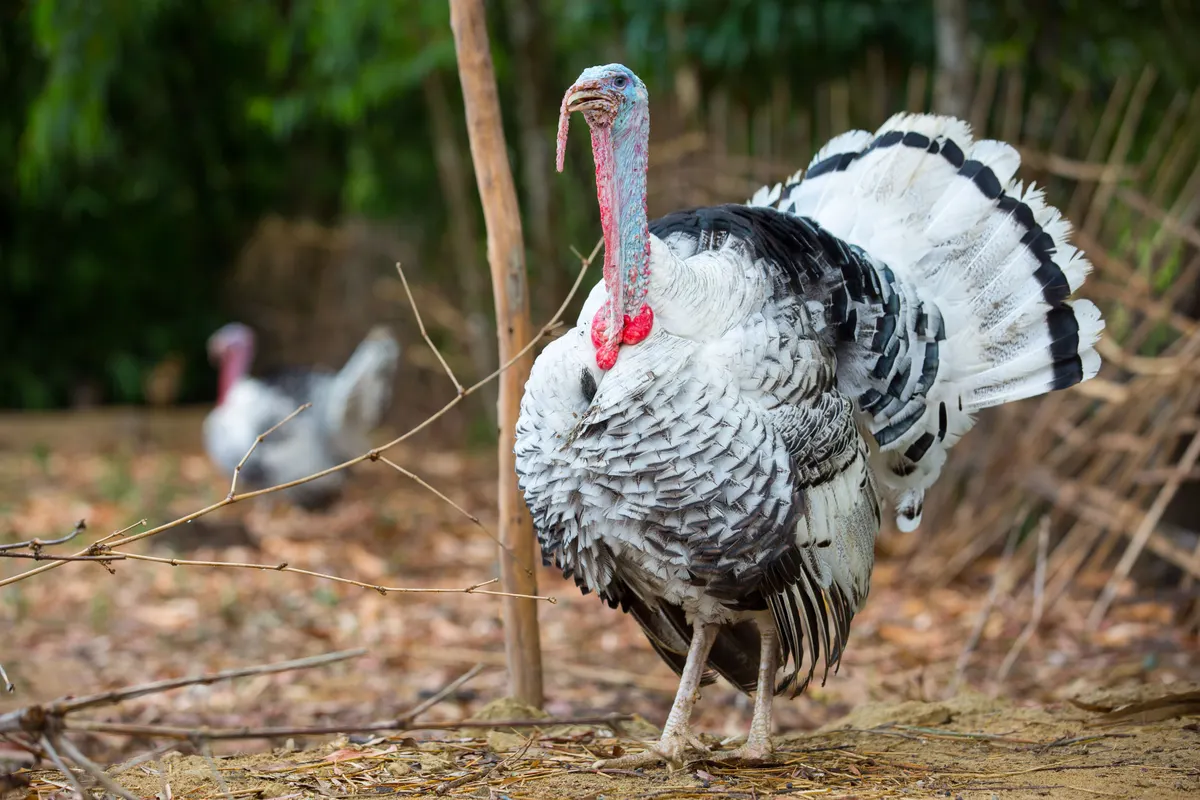
- The tom: a fleshy snood that lengthens and hangs over the beak; a beard of bristles on the breast; spurs on the legs; he struts, fanning his tail; his head flushes red, blue and white when he is roused
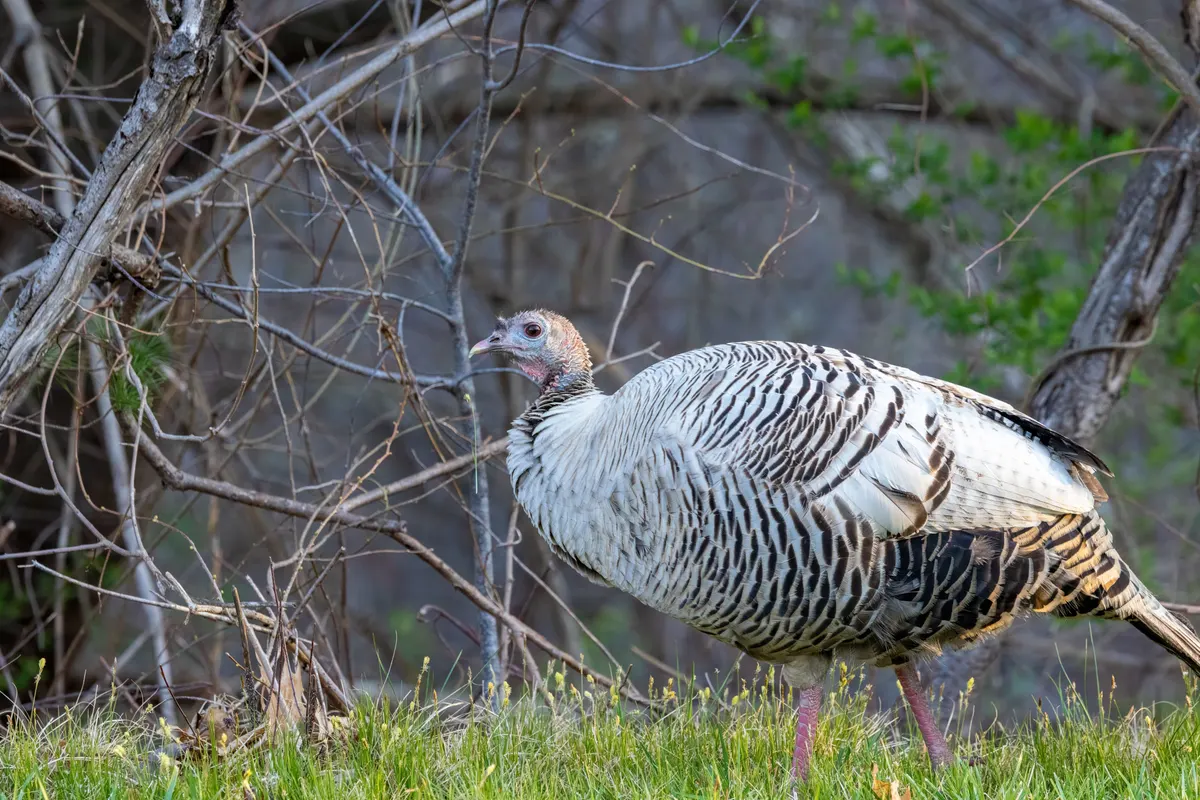
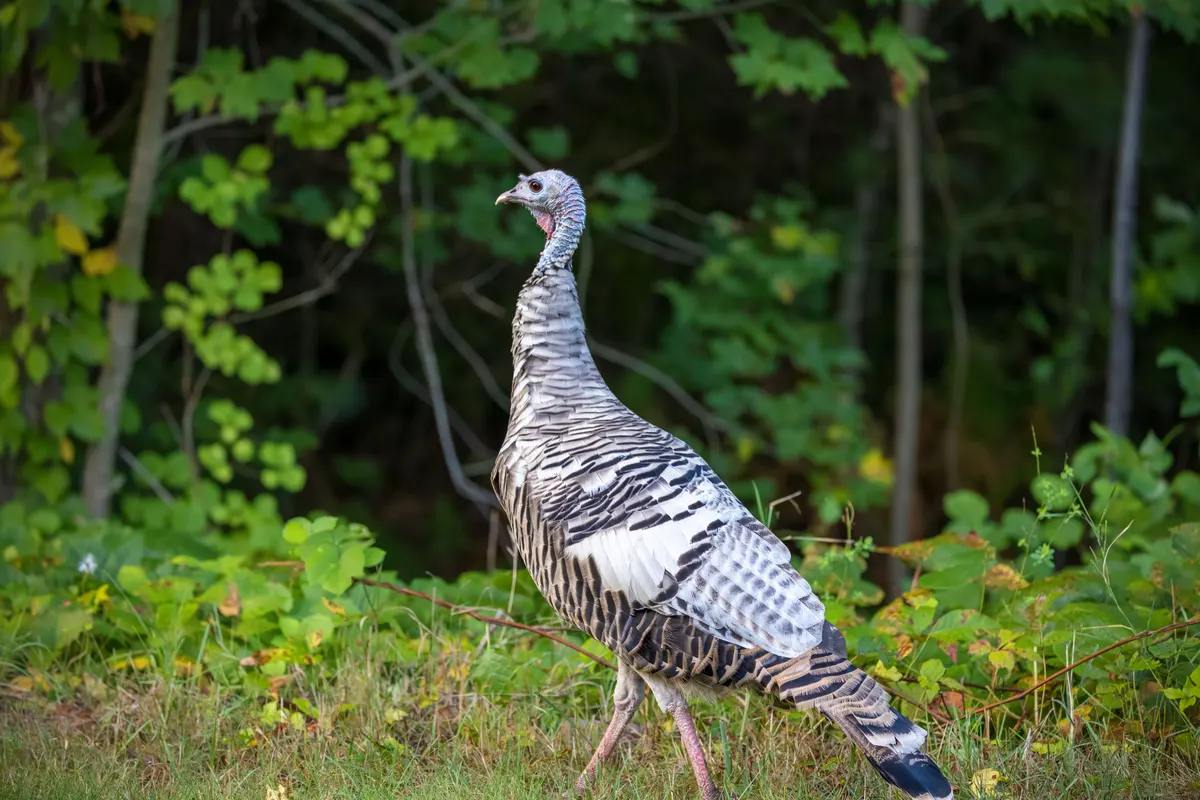
- The hen: smaller, duller, a short snood; no strutting display
For the methods used in other species, see our guide on how to tell a chick's sex.
Care
- Space: 0.5-1 m² per turkey indoors; 5-10 m² of run. Commercial birds want more.
- Perches: a heritage turkey loves to roost high and it flies; give it a solid, lowish perch (60-80 cm). A commercial turkey can neither fly nor roost.
- Floor: dry. Turkeys are more sensitive to wet and cold floors than chickens.
- Pasture: a heritage turkey grazes and hunts insects — not like a goose, but enough to cut the feed bill seriously.
- Housing: the logic of our coop guide holds; raise the ceiling and the perch allowance for turkeys.
Which Turkey for Whom?
- Maximum meat, fastest → the Broad Breasted White. 18-22 kg in 14-18 weeks. But you must buy poults every year (it cannot breed without insemination).
- A self-renewing flock → the Bronze, the Narragansett or a landrace. It mates naturally, goes broody and breeds for 5-7 years.
- The best flavour → the Bourbon Red or a landrace (slow growth, life on pasture).
- Garden / ornament → the Royal Palm (light, active, a strong flier).
- If you already keep chickens → only if you can keep the turkeys on separate ground. If you can't, don't start with turkeys at all — the blackhead risk isn't worth it.
To compare across the other birds, see our guide to choosing a laying or meat breed.
Frequently Asked Questions
Why can’t a commercial turkey breed naturally?
Broad Breasted turkeys have been selected so hard for breast meat that the tom physically cannot mount the hen. It is not sterility but a mechanical impossibility: the broad breast, shortened keel and short shanks prevent mating. So commercial turkeys are produced only by artificial insemination, and you must buy poults every year.
Can I raise turkeys with chickens?
No. Blackhead (histomoniasis) usually causes no symptoms in chickens; they shed the parasite in the eggs of the caecal worm, and those eggs survive in the soil for years. A turkey pecking the same ground can suffer 50-100% mortality. Raise turkeys away from ground the chickens use.
Which is the meat turkey?
The Broad Breasted White: 18-22 kg in 14-18 weeks, and its white feathering leaves no feather-root marks, so the carcass is clean. But it cannot mate naturally, so the flock can’t renew itself — you buy poults every year.
Which turkeys hatch their own young?
The heritage breeds: the Bronze, the Narragansett, the Bourbon Red, the Black and the landraces. They mate naturally, go broody and breed for 5-7 years. They grow more slowly (24-30 weeks) and stay smaller (7-13 kg), but the flock renews itself.
Why do turkey poults die?
Three main reasons: (1) they fail to recognise feed and starve beside the feeder — put bright marbles in the trough or scatter hard-boiled yolk on top; (2) they need 28% protein starter, and chick feed (20-22%) is not enough; (3) the first week wants around 37 °C, two or three degrees warmer than chicks.
How long is turkey incubation?
28 days — the same as a duck, a week longer than a hen. Lockdown is on day 25. The speckled shell makes candling harder: use a strong, narrow beam and find a clear window between the speckles.
How many eggs does a turkey lay a year?
40-100 in a season depending on the breed (75-90 g, cream speckled with brown). Like the goose it is seasonal: it lays in spring, not all year. Turkeys are kept for meat, not eggs.
Related Articles
How Many Days Is Pigeon Incubation? Natural Incubation, Crop Milk and Squab Care
Pigeon incubation takes about 18 days. A complete guide to supporting the pair's natural incubation, why artificial incubation is hard, crop milk and squab care.
Goose Breeds: The Grazing Bird (Embden, Toulouse, Chinese, Pilgrim)
The goose is the only bird in poultry that digests grass: on pasture it takes 80% of its diet from grazing. The Embden, Toulouse, Chinese, African and Pilgrim compared; why goose eggs are seasonal (she does not lay all year), the one breed sexable on hatch day (the Pilgrim), and why the duck's sterile-mulard trap does not exist in geese.
How to Recognize a Broody Hen: The Guide to Hatching Chicks Naturally
How to recognize a broody hen, how many eggs to set under her and how to manage 21 days of natural incubation. Nest setup, post-hatch care and incubator comparison.