Atak-S Chicken: Traits, Egg Production, Care and Hardiness
Atak-S is the first commercial laying hybrid developed in Turkey. Unlike foreign-bred birds such as the Lohmann Brown, Atak-S was selected specifically for Turkey's climate and village conditions. It is the breed most asked about by free-range keepers and organic egg producers. In this guide we cover the Atak-S's origin, egg production, disease resistance, care and its most important trait when it comes to hatching chicks.
Origin: A Local Success Story
Atak-S was developed by the Poultry Research Institute in Ankara. Its genetic base is a cross of two classic breeds:
- Rhode Island Red (RIR) — a productive, hardy brown-egg layer
- Plymouth Rock (Barred Rock) — a large-bodied, calm, barred-feather bird
This cross was made not only for output but to produce a hen that could withstand Turkey's hot summers and cold winters. The result: a breed that lays in a closed coop and while roaming a garden alike.
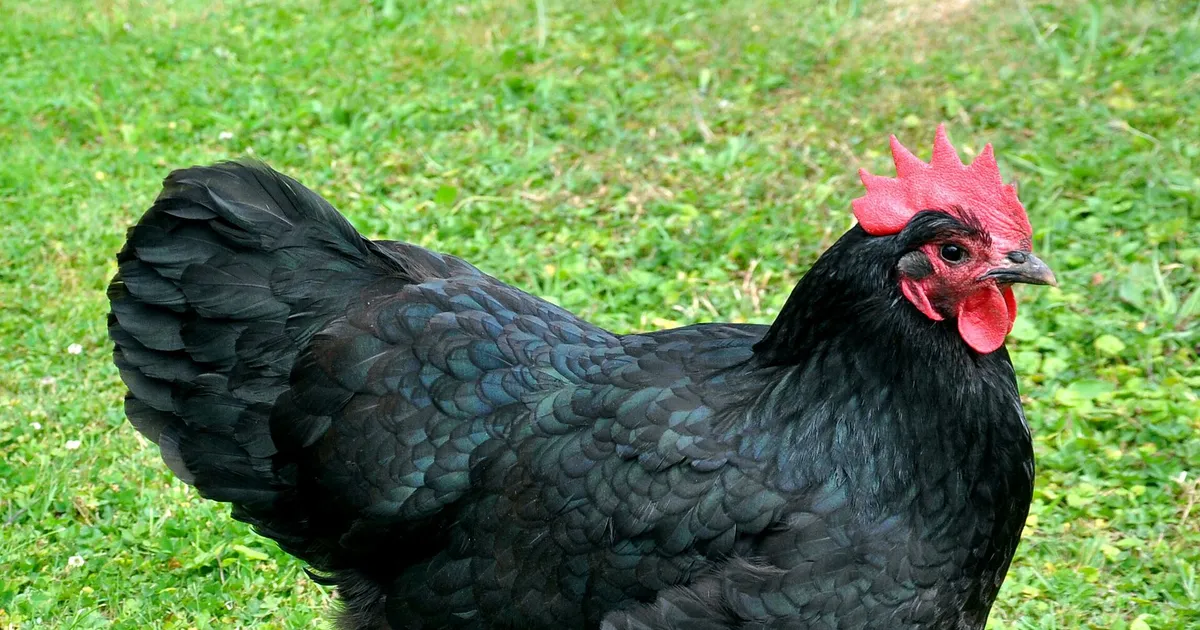
The plumage is mostly black, with brown-gold flecks on the neck and breast. Adult weight is 2.0–2.5 kg — slightly larger and meatier than the Lohmann's 1.8–2.2 kg.
Egg Production in Numbers
| Trait | Value |
|---|---|
| Point of lay | 20-22 weeks (about 5-5.5 months) |
| Eggs per year | 260-300 |
| Egg weight | 60-65 g |
| Egg colour | Light brown / cream |
| Daily feed intake | 110-125 g |
| Peak production | Weeks 25-45 |
Atak-S is not as productive as the Lohmann's 300-320 eggs a year. But the gap is smaller than it looks: the Lohmann only delivers its high output on balanced feed in a controlled coop. A Lohmann that roams a garden, eats scraps and lives in an unheated winter coop struggles to hold its numbers, while the Atak-S drops far less under the same conditions. What matters is not the output on paper but the output under your conditions.
Disease Resistance and Climate Tolerance
The most talked-about trait of the Atak-S is its hardiness. Keepers consistently report a lower rate of illness than with commercial white/brown hybrids, and in particular less susceptibility to respiratory disease (CRD).
There are two reasons: (1) the RIR and Plymouth Rock in its genetic base are robust breeds that have lived in village conditions for centuries, and (2) the Atak-S was selected for balanced output plus hardiness, not for extreme output.
A caveat, though: "hardy" does not mean "no vaccination needed". Marek's, Newcastle and Gumboro vaccinations are essential for the Atak-S too. Hardiness is no substitute for good husbandry — you still have to follow coop biosecurity rules.
Care and Housing: It Wants to Roam
The Atak-S is active, curious and an excellent forager. That makes it ideal for free-range keeping and mediocre for a cage system. Kept in a closed, cramped space it both lays less and becomes more prone to pecking and cannibalism.
- Coop space: 0.3-0.4 m² per hen (plus the run)
- Run: at least 2-4 m² per hen — this is where the breed's advantage shows
- Nest boxes: one per 3-4 hens
- Perch: 18-20 cm per hen
- Light: 14-16 hours a day in lay
For coop structure and dimensions, see our guide to building a chicken coop.
Feeding
Even though the Atak-S forages while it roams, layer feed is essential for steady laying. Foraging supplements feed; it does not replace it.
- Layer feed: 16-18% protein, 110-125 g a day
- Calcium: oyster shell or limestone grit in a separate dish — for shell quality
- Grit: a roaming hen eats coarse material; keep grit available so the gizzard can grind it
- Water: clean and constant — a hen left without water stops laying immediately
The Key Difference: The Atak-S Goes Broody, and Its Chicks Can Be Sexed
In intensive commercial hybrids like the Lohmann, the brooding instinct has been bred out; those hens never go broody. In the Atak-S the instinct has not been fully lost: an Atak-S hen can go broody and sit on her eggs. That's a real advantage if you want natural incubation.
The second special advantage: the Atak-S is a sex-link hybrid. That means you can tell males from females as day-old chicks by their down and head markings — the males carry a light spot on the head. It saves you the "they all turned out roosters" surprise. See our guide on how to tell a chick's sex for detail.
One important warning: the Atak-S is an F1 hybrid. If you incubate eggs from your own Atak-S hens, the chicks will not be as productive as their parents and the sex-link colour rule breaks down. Hybrid offspring segregate genetically. To keep the stock quality you have to buy chicks or pullets from a producer. If you do want to hatch from your own eggs anyway, we set out the process step by step in our 21-day incubation guide; to avoid losing track of the days, the Kuluçka Takip app builds the calendar for you. You can check out the app here.
Pros and Cons
- + Adapted to the Turkish climate; tolerates heat and cold
- + Higher disease resistance than commercial hybrids
- + Ideal for free-range/organic production; an excellent forager
- + Can go broody → natural incubation is possible
- + Chicks can be sexed at a day old (sex-link)
- + Larger body; more meat value than the Lohmann once laying drops
- − Lower annual output than the Lohmann (260-300 vs 300-320)
- − Unhappy and less productive in a cramped, closed space
- − F1 hybrid: you can't breed the same quality from its own eggs
- − Feed intake slightly higher than the Lohmann's
Who Is It For?
The Atak-S suits you if: you have a garden or land, you want your hens to roam, you produce "village eggs", your coop is unheated, you can't give the flock constant attention, and you'd trade some output for hardiness.
The Lohmann may suit you better if: you have a closed, controlled coop, you feed balanced layer ration, and your only goal is the maximum number of eggs.
To compare the two breeds and the alternatives side by side, see our guide to choosing a laying or meat breed.
Frequently Asked Questions
How many eggs does an Atak-S lay per year?
With good care an Atak-S lays 260-300 eggs a year. The eggs weigh 60-65 g and are light brown to cream.
At what age does the Atak-S start laying?
It starts laying at 20-22 weeks, that is at about 5-5.5 months old.
Atak-S or Lohmann — which is better?
If you want maximum output in a closed, controlled coop, the Lohmann; if you want a hardy, low-maintenance hen that roams the garden, the Atak-S.
Does the Atak-S go broody?
Yes, it can. Unlike intensive commercial hybrids such as the Lohmann, the Atak-S has not entirely lost its brooding instinct, so natural incubation is possible.
How do you tell the sex of an Atak-S chick?
The Atak-S is a sex-link hybrid: at a day old the males can be told apart by the light spot on the head.
Can I hatch chicks from my own Atak-S eggs?
You can, but the Atak-S is an F1 hybrid: the chicks will not be as productive as their parents and the colour-sexing rule breaks down. For stock quality, buy chicks from a producer.
Is the Atak-S disease resistant?
It is hardier than commercial hybrids and in particular less prone to respiratory disease (CRD). Even so, Marek’s, Newcastle and Gumboro vaccinations remain essential.
Related Articles
Lohmann Brown Chicken: Traits, Egg Production, Care and Hardiness
The Lohmann Brown's origin, 300-320 eggs a year, point of lay, disease resistance, care, feeding and why it never goes broody — a complete breed guide with pros and cons.
Brahma Chicken: Traits, Size, Egg Production and Care
The giant Brahma's origin, its 4.5-5.5 kg size, 150-200 eggs a year, cold hardiness, feathered-leg care, broodiness and hatching — a complete breed guide with pros and cons.
The Plymouth Rock: Traits, Egg Production and Sex-Link Breeding
The Barred Plymouth Rock: origin, 220-250 eggs a year, the sex-linked barring gene and how to breed sex-link chicks with a RIR, the White Rock as the female line of the world's broilers, its calm temperament and care.