The Denizli Rooster: Traits, Crow Length, Egg Production and Care
The Denizli is Turkey's best-known native chicken breed, and it has a trait that few birds in the world can match: a crow that lasts 20-25 seconds. An ordinary rooster crows for 3-5 seconds; a Denizli holds the note for five times as long. In this guide we cover the breed's origin, its crow, its output, its care, and why the crow gets shorter in some places.
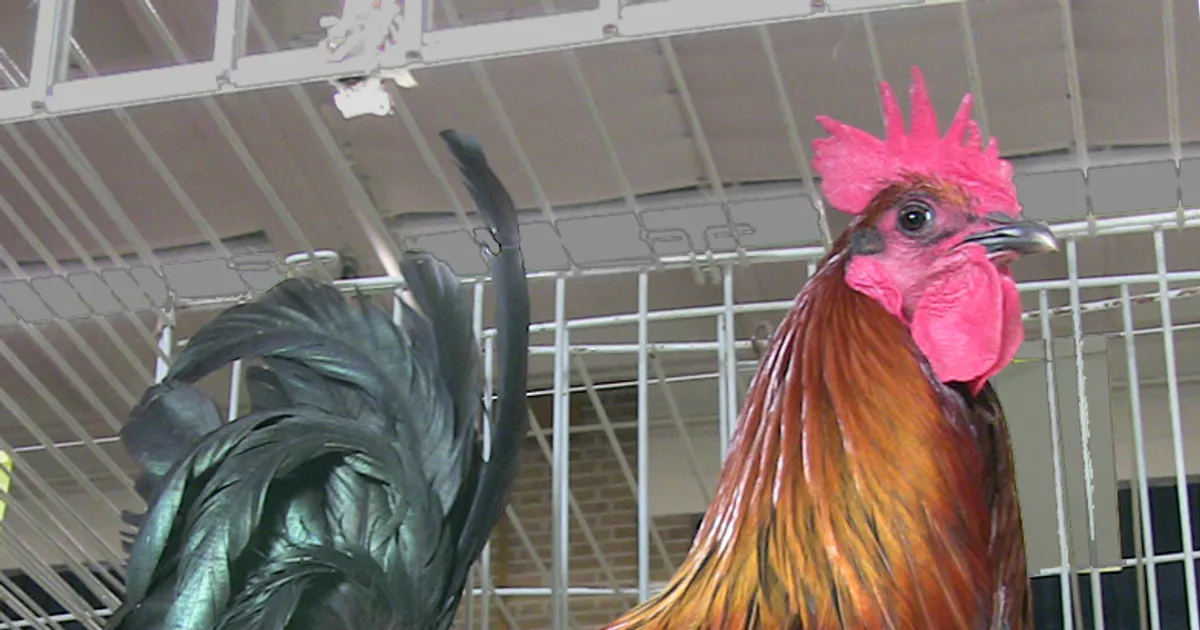
Note: you keep breeds like the Lohmann or the Atak-S for eggs. You keep a Denizli for an entirely different reason — this is not a production breed but a piece of cultural heritage that needs preserving.
Origin: A Bird of One Region
The Denizli takes its name from the province of Denizli, where it has been bred for centuries along with the neighbouring Muğla region. It is one of Turkey's protected genetic resources, carrying a geographical indication — the Poultry Research Institute keeps breeding flocks to preserve the line's purity.
Physical traits:
- Cock: 3.0 – 3.5 kg
- Hen: 2.0 – 2.5 kg
- Carriage: a long neck, upright and imposing stance
- Eye: the black "kohl-lined" eye — one of the breed's clearest markers; in a pure Denizli the rims look as if darkened with kohl
Six types are recognised by plumage colour: pamukkır, demirkır, al, siyah, kınalı and kürklü. These are not separate breeds but colour varieties of the same one.
The Real Point: The Crow
What makes the Denizli valuable is neither its meat nor its eggs, but its voice. The length of the crow is the measure of the bird's breeding value:
| Age | Average crow length |
|---|---|
| 1st year | 15-20 seconds |
| 2nd year and after | 20-25 seconds (longer in good lines) |
| An ordinary rooster (for comparison) | 3-5 seconds |
The crow lengthens with age: a young cock crows short and, as he matures, the note stretches and rises. That's why a Denizli's true worth only shows in his second year. Breeders select for crow length and voice quality; for centuries the breed's improvement has run on this single trait.
Critical Detail: The Crow Depends on the Environment
The least known but most important fact about this breed: take the bird out of its home region's conditions and the crow shortens, and with it the breeding value. The dry, continental climate of Denizli is no coincidence — the crow is a product of the environment as much as of genetics.
The three factors sources name as the breed's "worst enemies" are excessive heat, excessive cold and noise pollution. The last one occurs to almost no one, yet it matters: a constantly noisy setting disturbs the bird's crow and its output. A Denizli belongs somewhere quiet, not in a garden inside traffic noise.
So if you are going to keep Denizlis:
- Choose a quiet site — constant noise degrades both the crow and productivity
- Shield them from extreme heat and cold; the breed is tuned to a dry, continental climate
- The coop must be dry and well ventilated — high humidity also triggers fungal growth and respiratory disease
- Never let the floor stay wet; change the bedding regularly
Egg and Meat Output: Set Your Expectations
| Trait | Value |
|---|---|
| Point of lay | about 6 months |
| Eggs per year | 90-130 |
| Egg weight | 55-60 g |
| Egg colour | Cream / light brown |
| Purpose | Dual purpose but low yielding; the real value is the crow and the breed's survival |
The numbers are plain: a Denizli lays about a third of what a Lohmann does (300-320). On a commercial spreadsheet this bird is a loss. But the people who keep Denizlis don't count eggs — they keep a cultural heritage and a dwindling genetic resource alive. If you're after output, see our breed selection guide; the Denizli doesn't make that list.
Care and Housing
The Denizli is active, alert and likes to roam; it is unhappy in a cage. It is well adapted to its local climate and is a robust bird.
- Coop space: 0.4-0.5 m² per bird (the cock is large and long-necked, so a low ceiling is a problem)
- Run: 3-5 m² per bird — an active breed turns bad-tempered in a cramped space
- Ventilation: generous — don't let damp build up
- Number of cocks: cocks can be aggressive to each other; keeping breeding cocks in separate pens is common
- Perch: high enough that the long tail feathers don't drag on the floor
For coop structure see our guide on how to build a chicken coop, and for vaccination and hygiene our coop biosecurity guide.
Feeding
The Denizli doesn't demand as precise a ration as a commercial hybrid, but breeding quality depends directly on feeding. Balanced protein and vitamins matter especially for the cock's voice and feather quality.
- In lay: 16-17% protein, 110-130 g a day
- Breeding cock: adequate protein plus vitamins A and E (for fertility and feather quality)
- Calcium: in a separate dish — for shell quality
- Roaming: foraging cuts the feed bill and suits the breed's nature
Hatching: Keeping the Line Pure
Denizli hens go broody and make good mothers — native breeds generally keep the brooding instinct. Natural incubation works well.
But hatching matters here for another reason: the Denizli is a pure breed, not a hybrid. Chicks you hatch from your own eggs carry the breed's traits — something impossible with hybrids like the Lohmann. Your flock can reproduce itself, and by selecting breeders for crow length you can even contribute to the breed's improvement.
One caution when choosing breeders: in crossbred birds the kohl eye, the carriage and the crow all degrade. To keep the line pure, source your breeding stock from known keepers and keep records in your own flock — note how long each cock crows and which pair each egg came from. Our guide to the hatch record book shows how to keep those records.
The incubation period is the same as any chicken: 21 days, 37.5-37.8 °C, 45-55% humidity, lockdown on day 18. We set it out step by step in our 21-day incubation guide; to keep the turning and hatch dates straight, the Kuluçka Takip app builds the calendar for you. You can check out the app here.
Pros and Cons
- + A unique crow (20-25 s) — a trait few breeds in the world can match
- + Native and pure: you can hatch your own chicks and carry the breed on
- + Adapted to the Turkish climate and village conditions; robust
- + Goes broody → natural incubation is possible
- + Cultural heritage and genetic-conservation value
- + Dual purpose: good meat quality
- − Very low egg output (90-130) — unsuited to commercial production
- − In humid regions the crow shortens and breeding value drops
- − Cocks can be aggressive; separate pens may be needed
- − Pure breeding stock is hard to find; the market is full of crossbreds
- − A cock's true worth only shows in his second year (it takes patience)
Who Is It For?
The Denizli suits you if: you want to keep a cultural heritage alive, you care about crow quality, you want to breed pure stock and contribute to the line, you live in a dry climate, and you expect no economic return from your birds.
The Denizli is not for you if: you're after eggs or meat. In that case the Atak-S (free-range, hardy, productive) or the Brahma (meat plus winter eggs) is a far more sensible choice.
But bear this in mind: the people who keep Denizli roosters didn't reach that decision by reading a yield table. Hear a 25-second crow ring across the yard at dawn, and you understand why they do.
Frequently Asked Questions
How long does a Denizli rooster crow?
15-20 seconds in its first year and 20-25 seconds from the second year on. An ordinary rooster crows for 3-5 seconds; the crow lengthens with age.
How many eggs does a Denizli lay per year?
A Denizli hen lays 90-130 eggs a year (55-60 g) — about a third of what a laying hybrid gives. The breed’s value lies in its crow and its heritage, not its output.
How big is a Denizli?
The cock weighs 3-3.5 kg and the hen 2-2.5 kg. It has a long neck and an upright, imposing stance.
How can you tell a pure Denizli?
The clearest marker is the black, kohl-lined eye; a long neck, upright carriage and long crow are also looked for. In crossbred birds these traits degrade.
Why does a Denizli’s crow get shorter?
Birds moved to humid regions crow shorter and lose breeding value. A dry, well-ventilated coop is essential for this breed.
Does the Denizli hen go broody?
Yes. As a native breed it has kept its brooding instinct: it goes broody and makes a good mother, so natural incubation works.
Will chicks from my own Denizli eggs be pure?
Yes. The Denizli is a pure breed, not a hybrid, so chicks hatched from your own eggs carry the breed’s traits. Source breeding stock from a pure line and keep records.
Related Articles
Lohmann Brown Chicken: Traits, Egg Production, Care and Hardiness
The Lohmann Brown's origin, 300-320 eggs a year, point of lay, disease resistance, care, feeding and why it never goes broody — a complete breed guide with pros and cons.
Atak-S Chicken: Traits, Egg Production, Care and Hardiness
The Atak-S's origin (RIR x Plymouth Rock), 260-300 eggs a year, disease resistance, suitability for free-range keeping, its broodiness and day-old chick sexing — a complete breed guide compared with the Lohmann.
The Leghorn Chicken: Traits, Egg Production, Feed Efficiency and Care
The Leghorn, ancestor of the white egg: origin, 280-320 eggs a year, the lowest feed intake of any breed, the earlobe-egg colour rule, its ability to clear a 2-3 m fence, comb frostbite risk, and why it never goes broody.