Brahma Chicken: Traits, Size, Egg Production and Care
The Brahma is a giant breed known as "the king of chickens". A cock typically weighs 5.5 kg and stands about 75 cm tall — big individuals reach 8 kg. It is the exact opposite of egg machines like the Lohmann or the Atak-S: you don't keep a Brahma for egg numbers, you keep it for its size, its calm temperament and its looks. In this guide we cover the Brahma's origin, output, hardiness, the special care its feathered legs demand, and the key point about hatching its eggs.
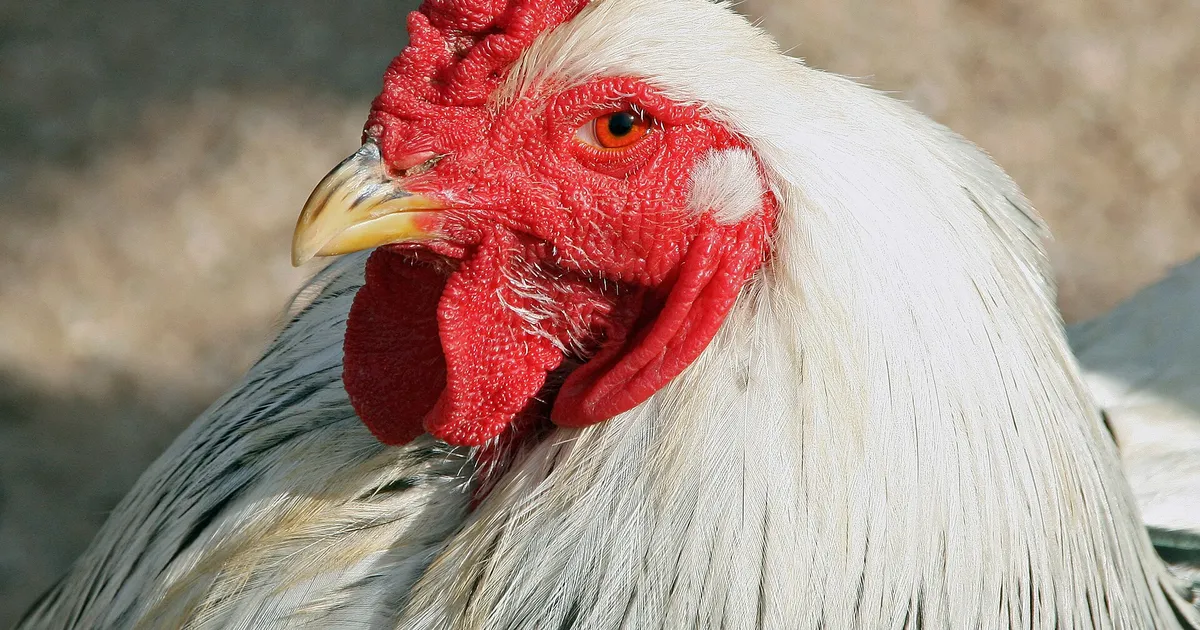
Origin and General Traits
The Brahma was created in the 1800s by refining, in the USA and Britain, the large fowl imported from Asia (from the Shanghai and Chittagong regions). It takes its name from the Brahmaputra river in India. The aim was clear from the outset: the biggest possible table bird.
- Cock: ~5.5 kg (the standard average; big individuals reach 8 kg)
- Hen: ~4.5 kg (a 4–5.4 kg range)
- Height: up to 70-75 cm
- Temperament: calm, docile — a "gentle giant", one of the most popular breeds for families with children
There are three main colour varieties: Light — white body with a black neck hackle; Dark — silver-black pencilled; Buff — golden body with a black hackle.
Its most distinctive features are the feathering that runs right down to the toes and its small pea comb. Together these make the Brahma extraordinarily cold-hardy — the small comb doesn't get frostbite and the feathers protect the legs.
Egg Production in Numbers
| Trait | Value |
|---|---|
| Point of lay | 6-7 months (a late maturer) |
| Eggs per year | 150-200 |
| Egg weight | 55-60 g |
| Egg colour | Brown / cream |
| Daily feed intake | 130-160 g (a big body eats a lot) |
| Table age | 8-12 months (slow growing) |
The numbers are blunt: the Brahma is not a layer. It gives about half the eggs of a Lohmann and eats nearly twice as much feed. But it has one edge: it keeps laying through winter. Where most breeds shut down in the cold months, the Brahma's hardiness lets it carry on. For a garden keeper with no eggs in January, that's a real advantage.
Hardiness: Friend of the Cold, Enemy of the Heat
The Brahma is a robust breed overall and rarely falls ill in a clean, dry coop. But it has two specific weaknesses, and both come from its body and its feathers:
- Heat stress. The thick plumage that is a blessing in winter is a burden in summer. In hot weather a Brahma overheats far faster than a light breed. Shade, airflow and cool water are essential; give it a cool, sheltered spot for the midday hours.
- Feathered-leg problems. On muddy or wet ground, mud and droppings cake onto the leg feathers — an open invitation to fungal infection, scaly leg mite and external parasites. Thick feathering is also an ideal hiding place for lice and ticks.
The fix is simple but cannot be skipped: the floor must always be dry. Use plenty of bedding (shavings or straw) and don't let the area around the drinkers get wet. Check the feet regularly, washing and drying them with warm water if needed, and treat for internal and external parasites every three months. For the rest of the vaccination and hygiene rules, see our coop biosecurity guide.
Care and Housing: The Rules of a Heavy Body
Because the Brahma is large, its housing dimensions grow too:
- Coop space: at least 0.5 m² per hen (0.3-0.4 m² is enough for a normal breed)
- Run: 2-4 m² per hen. It barely flies and doesn't try to escape — even a 1-metre fence will hold it. That makes it very easy to keep in a garden.
- Perch: keep it low (40-50 cm). The most common injury in this breed is a bruised footpad (bumblefoot) from a heavy body jumping down off a high perch.
- Nest box: wide and deep — it may not fit in a standard box.
- Floor: dry, with deep bedding. With this breed that is not negotiable.
For coop construction and dimensions, see our guide on how to build a chicken coop.
Feeding
The Brahma grows slowly and its frame takes a long time to set, so don't skimp on protein in the chick and grower stage. But as an adult the opposite risk appears: a large body that moves little puts on fat easily, and a fat hen stops laying.
- Chick (0-8 weeks): 20-22% protein starter feed
- Grower (8-20 weeks): 16-18% grower feed — don't rush it; skeletal growth takes time
- Adult in lay: 16-17% layer feed, 130-160 g a day, plus calcium in a separate dish
- Careful: too much corn or table scraps leads to fat. Give it a run so it moves.
Hatching: It Goes Broody — But It Can Crush the Eggs
The Brahma has kept its brooding instinct: it goes broody and makes a good mother. But its weight is a risk — a 4 kg hen settling onto eggs breaks them far more often than a light breed does.
If you're going for natural incubation, take two precautions: (1) set fewer eggs under her than usual (8-10 rather than 10-12), and (2) build the nest with soft, deep bedding so the eggs can't roll. The details are in our guide to natural incubation with a broody hen.
The safer route is an incubator. Brahma eggs are large, so fewer of them fit in a tray; the incubation period is still 21 days and the settings are standard (37.5-37.8 °C, 45-55% humidity, lockdown on day 18). We set out the process step by step in our 21-day incubation guide; to keep track of the days, the Kuluçka Takip app builds the calendar and reminds you of the turning and hatch days. You can check out the app here.
Good news: the Brahma is not a hybrid but a pure breed. So unlike the Lohmann and the Atak-S, chicks hatched from your own eggs carry the same traits as their parents. Your flock can reproduce itself.
Pros and Cons
- + Very calm and docile; ideal for households with children and for mixed flocks
- + Exceptionally cold-hardy; lays through the winter
- + Large body → serious meat value (dual purpose)
- + Doesn't fly; a low fence is enough, easy to keep in a garden
- + Pure breed → you can hatch your own chicks and they breed true
- + Striking to look at; valued in ornamental and show poultry
- − Low egg output (150-200) and a late maturer (6-7 months)
- − Eats a lot; grows slowly (8-12 months to table weight)
- − Poor in heat — needs special care in summer
- − Feathered legs: a dry floor and regular parasite checks are compulsory
- − Heavy body: a high perch means injury, and a broody sitting means broken eggs
Who Is It For?
The Brahma suits you if: you live somewhere with hard winters, you want meat as well as eggs, you want a calm flock you can hand-feed, you want to breed your own replacements, or you keep ornamental and show birds.
The Brahma is not for you if: your only goal is maximum eggs, you're sensitive to feed cost, you live in a hot climate, or you can't keep the coop floor permanently dry. In that case the Lohmann (closed coop, maximum output) or the Atak-S (free-range, hardy) is the better choice.
To compare all the breeds side by side, see our guide to choosing a laying or meat breed.
Frequently Asked Questions
How many eggs does a Brahma lay per year?
A Brahma lays 150-200 eggs a year — about half what a laying hybrid like the Lohmann gives. In exchange, it keeps laying through the winter.
How big does a Brahma get?
A cock averages about 5.5 kg and a hen about 4.5 kg, standing up to 75 cm tall; big individuals reach 8 kg. It is one of the largest chicken breeds.
At what age does a Brahma start laying?
It is a late maturer: it starts laying at 6-7 months (laying hybrids start at about 5).
Is the Brahma cold hardy?
Very. The small pea comb resists frostbite, and the dense plumage and feathered legs protect against cold. Its real weakness is heat; in summer, shade and cool water are essential.
How do you care for a Brahma’s feathered legs?
Keep the floor dry at all times. On wet or muddy ground, mud cakes onto the leg feathers and leads to fungus, scaly leg mite and external parasites. Check the feet regularly and treat for parasites every three months.
Does the Brahma go broody?
Yes, and it makes a good mother. But its weight risks crushing the eggs: set fewer eggs under it than usual (8-10) and build the nest with soft, deep bedding.
How long do Brahma eggs take to hatch?
Twenty-one days, like all chickens. The settings are standard: 37.5-37.8 °C, 45-55% humidity, turning stops on day 18 and humidity goes up to 65-70%.
Related Articles
Lohmann Brown Chicken: Traits, Egg Production, Care and Hardiness
The Lohmann Brown's origin, 300-320 eggs a year, point of lay, disease resistance, care, feeding and why it never goes broody — a complete breed guide with pros and cons.
Atak-S Chicken: Traits, Egg Production, Care and Hardiness
The Atak-S's origin (RIR x Plymouth Rock), 260-300 eggs a year, disease resistance, suitability for free-range keeping, its broodiness and day-old chick sexing — a complete breed guide compared with the Lohmann.
The Leghorn Chicken: Traits, Egg Production, Feed Efficiency and Care
The Leghorn, ancestor of the white egg: origin, 280-320 eggs a year, the lowest feed intake of any breed, the earlobe-egg colour rule, its ability to clear a 2-3 m fence, comb frostbite risk, and why it never goes broody.