Quail Types: Meat and Laying Lines (Pharaoh, Jumbo, Texas A&M)
When you go to buy quail you meet a pile of names: Pharaoh, Jumbo, Texas A&M, English White, Italian, Tuxedo… Sellers call them "breeds" and price each one differently.
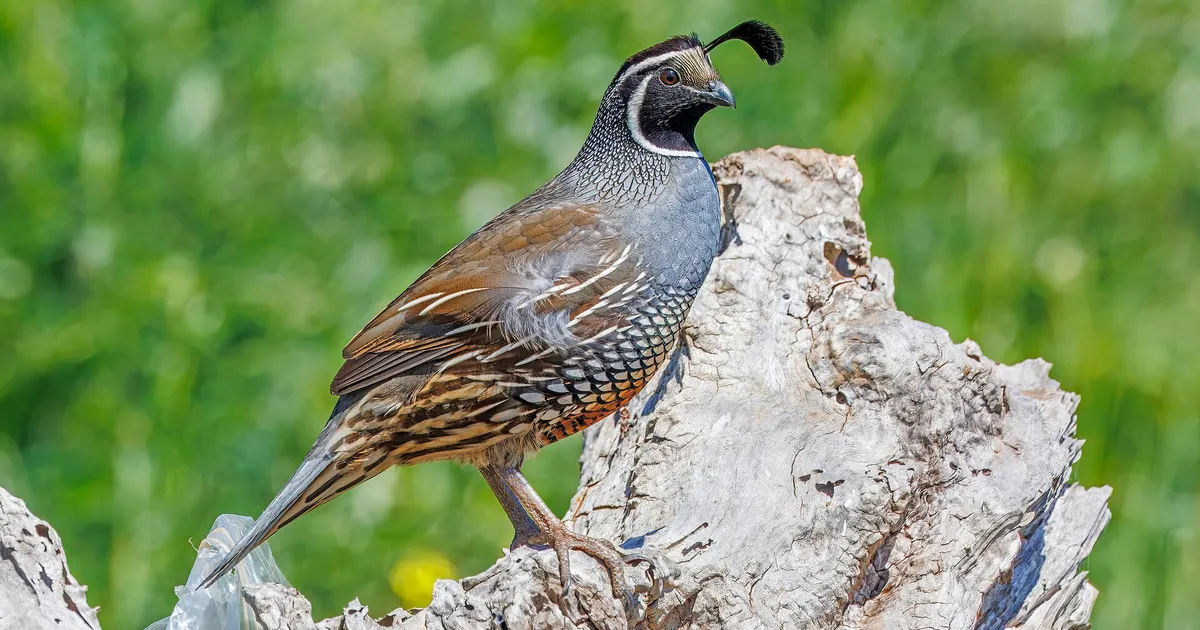
Here is the reality: they are all the same species — Coturnix japonica, the Japanese quail. What separates them is not breed but selection: some have been selected for a big body for meat, others for output for eggs. This guide compares the lines one by one, in numbers, and explains which suits you — and why sex cannot be told in the white lines.
All One Species: Lines, Not Breeds
With chickens it is different: the Leghorn and the Brahma are separate, standardised breeds developed over centuries. With quail we have a single farm species, and every "breed" is a colour variety or a weight line of it.
The practical consequence: they all interbreed and produce fertile young. You can mate a Jumbo cock to a Pharaoh hen — the cross is not sterile. Which also means keeping a line pure is on you. In a mixed pen, a few generations on, your Jumbo loses its size and your Texas its whiteness.
Layer or Meat? The Basic Trade-off
The chicken rule applies to quail as well: as the body grows, eggs fall and feed rises.
| Layer line | Meat (Jumbo) line | |
|---|---|---|
| Live weight | 180-220 g | 300-450 g |
| Eggs per year | 250-300 | 200-250 |
| Point of lay | 6-7 weeks | 7-9 weeks (later) |
| Slaughter age | — | 6-8 weeks |
| Feed intake | Low | High |
| Purpose | Eggs | Meat / carcass |
The quail's real strength is how early it starts: a hen comes into lay at 5-6 months, a quail at 6-7 weeks. It is a fast-turning enterprise. Housing, feed and daily care are all covered in our quail farming guide.
Line by Line: The Quail Varieties
| Line | Weight | Eggs/year | Purpose | Feather-sexable? |
|---|---|---|---|---|
| Pharaoh (standard line) | 180-220 g | 250-300 | Eggs + meat | Yes |
| Jumbo (American Jumbo) | 300-450 g | 200-250 | Meat | Yes |
| Texas A&M | 280-400 g | 150-220 | Meat / carcass | No |
| English White | 180-220 g | 250-300 | Eggs | No |
| Italian (golden) | 180-220 g | 240-300 | Eggs + meat | Yes (week 4) |
| Tuxedo | 180-220 g | 240-280 | Eggs / ornament | No |
The Pharaoh is the backbone of the farm: the brown-speckled wild-type plumage, balanced output, cheap and available everywhere. If you are starting, start here.
The Jumbo and the Texas A&M are meat lines. You get twice the body on the same feed, but eggs drop and feed intake rises. In a small family flock, the appeal of meat rarely beats eggs — even a 300 g bird still yields less than a chicken leg.
Critical: You Cannot Sex a White Quail by Its Feathers
This is the most important difference, and no one tells you at the point of sale.
In the Pharaoh (coloured) line, sex can be read off the feathers in week 3-4 — and it is easy:
- Female: breast feathers dark-speckled on a pale ground
- Male: breast feathers a plain rusty, brick-red, without speckles
This is one of the clearest sex markers in all of poultry — far more certain than the guesswork on Welsummer or Faverolles chicks.
But the white and tuxedo lines carry no such marker. In the Texas A&M, the English White and the Tuxedo, the feather pattern gives nothing away — cock and hen look identical. In these lines the only way to tell is the cloacal gland check:
- At 6 weeks (sexual maturity), hold the bird on its back and press gently on the vent
- In the male there is a swollen gland above the vent, and pressing it produces a white, foamy secretion
- In the female there is no such gland and no foam
There is also the voice: the male crows (a ringing, three-note call), the female does not. But the crow does not start before 6-7 weeks either. So if you bought a white line, you will not know your flock's sex ratio for six weeks — and a surplus of males is a serious problem in quail: they injure the hens. For the general methods see our guide on how to tell a chick's sex.
Our advice: make your first flock Pharaohs. You read the sex in week 3, take out the surplus males early, and set your ratio (3-4 hens to one cock) with no trouble.
Carcass Colour: The Commercial Point of White Feathers
The Texas A&M is not white by accident; it was selected for the carcass.
Pluck a dark-feathered bird and the skin keeps feather-root marks — small dark dots. The carcass looks "dirty". A white-feathered bird leaves no such marks: a clean, pale carcass. In commercial sale that visual difference shows up in the price.
For your own table the difference is purely cosmetic; the meat tastes the same.
Quail, But Not the Same Bird: the Bobwhite and the Button
Every line above is Coturnix japonica. But other species are also sold as "quail", and even their incubation period differs:
| Bird | Species | Incubation | Note |
|---|---|---|---|
| Japanese / Pharaoh quail | Coturnix japonica | 17-18 days | The farm quail (the subject of this guide) |
| Bobwhite | Colinus virginianus | 23-24 days | A game bird; larger, wilder, matures late |
| Button (Chinese painted) | Synoicus chinensis | 16 days | Ornamental; 40-50 g, no use for meat or eggs |
Missing this distinction is expensive: take Bobwhite eggs out of the incubator expecting a day-18 hatch and you lose the lot — that bird needs six more days. The full period/temperature/humidity table for every species is in our quail incubation guide.
Incubation: A Speckled Shell Makes Candling Hard
The quail eggshell is dark-speckled and mottled. That is a real problem when you candle: the speckles block the light, and seeing the embryo is nowhere near as easy as in a chicken egg.
- Candle in complete darkness with a strong, narrow beam
- Turn the egg to find a clear window between the speckles, and shine through that
- Don't expect to see anything before day 7
Incubation: 17-18 days, 37.5-37.8 °C, 45-55% humidity, lockdown on day 15 — not day 18 as with chickens. The quail's period is short; watch that.
To keep the days straight, the Kuluçka Takip app builds the calendar by species and reminds you of turning, lockdown and hatch days. You can check out the app here.
Which Line for Whom?
- Beginner / family flock → the Pharaoh. Cheap, available, balanced — and sexable by feather in week 3.
- Maximum eggs → the Pharaoh or the English White (250-300). Remember that sexing the white is hard.
- Meat → the Jumbo or the Texas A&M. If you sell commercially, the Texas A&M's white feathering gives the cleaner carcass.
- Ornament / hobby → the Tuxedo or the Italian; good output and a handsome bird.
- Game bird / release → the Bobwhite (a different species, 23-24 days' incubation).
Setting Up the Flock
- Sex ratio: 3-4 hens to one cock. More cocks means fighting and torn backs on the hens.
- Don't mix the lines: to keep stock pure, pen Jumbos and Pharaohs separately; in a mixed pen the line disappears within a few generations.
- Breeding age: after 8 weeks; fertility peaks between weeks 8 and 30.
- Hygiene: quail are kept densely and disease travels fast. Apply the rules in our coop biosecurity guide.
For housing dimensions, cage versus floor systems, feed protein levels and daily care, see our quail farming guide.
Frequently Asked Questions
Are quail "breeds" really separate breeds?
No. The Pharaoh, Jumbo, Texas A&M, English White, Italian and Tuxedo are all one species: Coturnix japonica, the Japanese quail. What separates them is a selection line and a colour variety, not a breed — they all interbreed and produce fertile young.
Which quail is the meat bird?
The Jumbo (300-450 g) and the Texas A&M (280-400 g). A standard Pharaoh weighs 180-220 g, so these lines carry two to three times the body. In exchange, egg output falls (150-250) and feed intake rises. Slaughter age is 6-8 weeks.
Which quail lays the most eggs?
The Pharaoh and the English White: 250-300 eggs a year. A quail comes into lay at 6-7 weeks — very early next to the 5-6 months a hen makes you wait.
How do you tell a quail’s sex?
In the coloured (Pharaoh) line you read it off the breast feathers in week 3-4: the female is dark-speckled on a pale ground, the male a plain rusty red. The white and tuxedo lines carry NO such marker; there you need the cloacal gland check at 6 weeks (press it and a male produces a white, foamy secretion).
How many males should a quail flock have?
Three to four hens per cock. A surplus of males leads to fighting and torn backs on the hens — which is why the Pharaoh line, whose sex can be read early, is the sensible one for beginners.
Why is the Texas A&M white?
It was selected for the carcass. Pluck a dark-feathered bird and the skin keeps feather-root marks — dark dots. A white-feathered bird leaves none, giving a clean, pale carcass, and in commercial sale that visual difference shows up in the price.
Are the Bobwhite and the Button quail the same thing?
No — they are different species, with different incubation periods: Japanese/Pharaoh quail 17-18 days, Bobwhite 23-24 days, Button (Chinese painted) quail 16 days. Take Bobwhite eggs out of the incubator expecting a day-18 hatch and you lose the lot.
Related Articles
Breeding Cage Birds: Budgies, Canaries, Cockatiels and Lovebirds
Cage-bird chicks hatch naked and blind (altricial): an incubator will hatch the egg, but you cannot feed what comes out. The incubation of all four species, four different ways to sex them (the cere in budgies; in canaries the one that sings is the male; in cockatiel mutations only DNA works), why breeding too young and egg binding kill, and the lethal gene in the dominant white canary.
Staggered Incubation: Setting Eggs on Different Days in One Machine
What is staggered incubation and why does it lower the hatch? The lockdown conflict, hatch mess, the separate hatcher solution and ways to manage with a single machine.
Lovebird Colour Mutations: Blue Is Not One Thing (Parblue)
Lovebird (Agapornis) mutations follow the same three inheritance rules but add two new lessons: blue is not a simple 'present/absent' but the parblue series of several alleles at one locus (blue/aqua/turquoise blend), and mixing species produces fertile hybrids that spoil pure lines. Opaline face colour, sex-linked lutino inheritance, the dark factor and sexing.