The Welsummer: The Speckled Terracotta Egg and Day-Old Chick Sexing
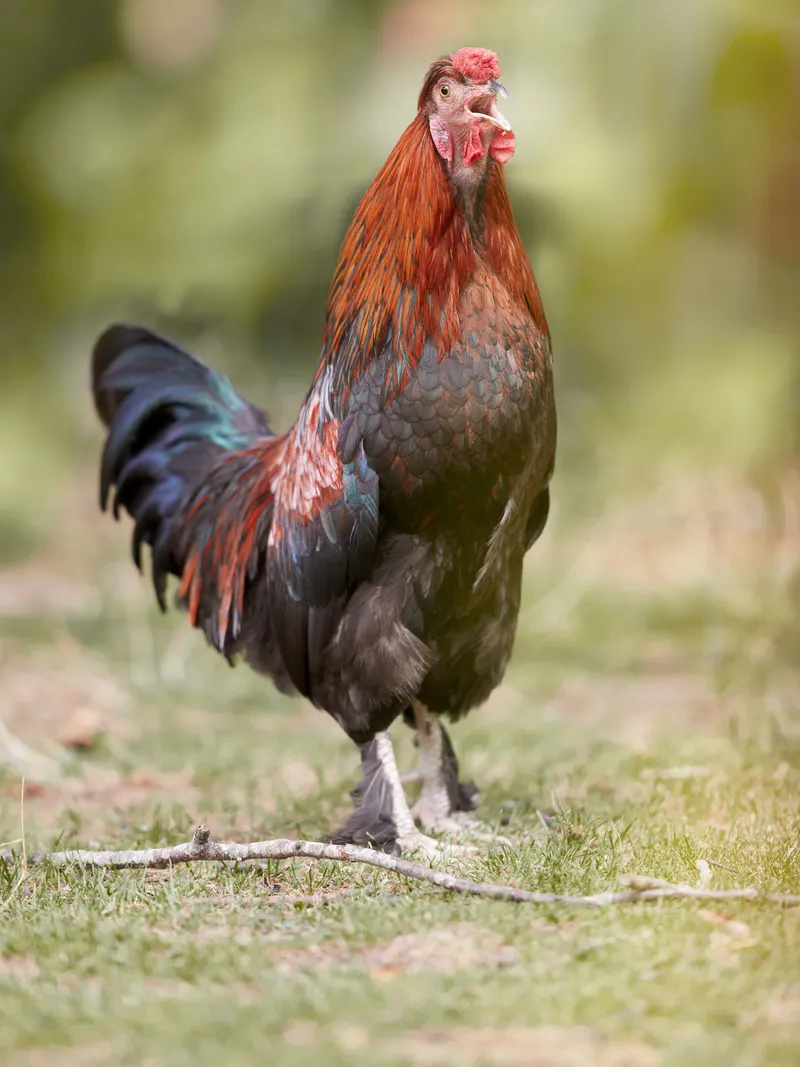
You have almost certainly seen a Welsummer cock already: the famous rooster on the Kellogg's cornflakes box is a Welsummer. But the breed's real value isn't its handsome plumage — it's two unusual traits: a speckled terracotta egg and, despite being a pure breed, chicks whose sex can be read on the day they hatch.
Origin and General Traits
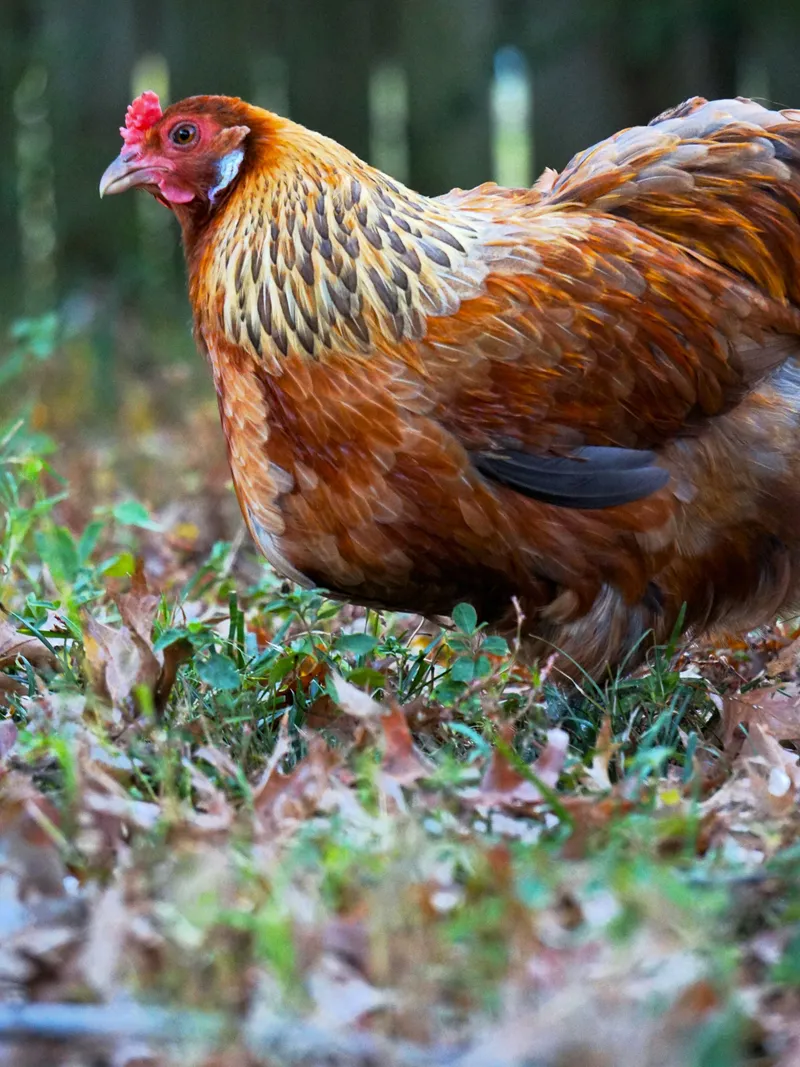
The Welsummer comes from the Dutch village of Welsum, created in the early 1900s by blending Partridge Leghorn, Barnevelder, Rhode Island Red, Cochin and Wyandotte. The aim was clear: a hardy farm hen laying a dark, striking egg.
- Cock: ~3.0 kg
- Hen: ~2.5 kg
- Colour: gold partridge is the commonest; a silver variety exists too
- Comb: single
- Temperament: calm, friendly, curious; not at all aggressive
The Egg: Speckled Terracotta
| Trait | Value |
|---|---|
| Point of lay | 5-6 months |
| Eggs per year | 150-180 (more in good lines) |
| Egg weight | 65-75 g (XL — very large) |
| Egg colour | Terracotta / deep russet with dark speckles |
| Daily feed intake | 110-120 g |
A Welsummer egg is quite different from the Marans' plain chocolate one: the ground colour is redder and more orange (terracotta), and it carries dark brown speckles. Put the two side by side in a basket and the contrast is striking.
| Marans | Welsummer | |
|---|---|---|
| Colour | Plain dark chocolate | Terracotta with dark speckles |
| Eggs per year | 150-200 | 150-180 |
| Egg size | 60-65 g | 65-75 g (bigger) |
| Candling | All but impossible | Hard, but possible |
| Foraging | Good | Excellent |
Important: the rule from our Marans guide applies here too — the speckles and the pigment sit on the surface of the shell. Rub them with a wet cloth and they come off. The colour also fades over the laying season and resets after the moult. That is normal.
An Unusual Trait: Chick Sex Readable on Day One
This is what makes the Welsummer special, and it isn't widely known.
In crosses such as the Atak-S or Plymouth Rock × RIR, the chicks' sex can be read at hatch — but those are F1 hybrids and cannot be bred on among themselves. The Welsummer is a pure breed, and its chicks can still largely be told apart by their down pattern:
- Pullets: the dark stripes down the back are sharp and well defined, with clear dark head markings and a distinct "eyeliner" line around the eye.
- Cockerels: the same pattern is faded and blurry, and the head markings are indistinct.
The method isn't infallible (an experienced eye gets 80-90%), but this much accuracy at day-old in a pure breed is rare and makes breeding plans far easier. For detail see our guide on how to tell a chick's sex.
Foraging: A Rival to the Sussex
The Welsummer is one of the best foragers on this site — in the same league as the Sussex. It scratches all day, hunts insects and eats greens. Given room to range, it lowers your feed bill noticeably.
Its daily feed intake is low to begin with (110-120 g), thanks to a light body and an efficient metabolism. Among the breeds suited to a free-range garden it is one of the most economical.
Temperament and Hardiness
The Welsummer is calm, friendly and intelligent; it is not aggressive and gets used to people. It is active and alert — it spots a predator early, which is an advantage in a free-ranging flock.
It is cold-hardy. But it has a single comb; as the comb table in our Wyandotte guide shows, in a hard winter a cock's comb risks frostbite. The coop must be dry and free of draughts.
Care and Housing
- Coop space: 0.3-0.4 m² per hen
- Run: the bigger the better — 3-5 m². This is where the breed shows its strength.
- Flying: a light body and a good flier. The fence must be high (1.5-2 m) or the run covered
- Perch: can be high
- Nest boxes: one per 4 hens — make them roomy for those big eggs
For coop dimensions see how to build a chicken coop, and for vaccination and hygiene our coop biosecurity guide.
Hatching: It Doesn't Go Broody — You Need a Machine
This is the breed's clearest weakness: it rarely goes broody, and when it does it isn't a particularly good mother. The price of good laying is a weakened brooding instinct.
So if you want Welsummer chicks you need an incubator (or a Silkie in the flock). The period is standard: 21 days, 37.5-37.8 °C, 45-55% humidity, lockdown on day 18.
A candling note: the shell is dark, so candling is harder than usual — though not as hopeless as with the Marans. You'll want a strong LED and complete darkness; see our candling guide.
We set out the process step by step in our 21-day incubation guide; to keep the days straight, the Kuluçka Takip app builds the calendar and reminds you of turning and hatch days. You can check out the app here.
Pros and Cons
- + A speckled terracotta egg — striking in the basket
- + Very large eggs (65-75 g, XL)
- + A pure breed whose chicks can largely be sexed at day old
- + An excellent forager on a low feed intake (110-120 g)
- + Calm, friendly, intelligent; not aggressive
- + Ideal for free range; alert to predators
- + A pure breed: you can hatch your own chicks
- − Rarely broody and a poor mother → an incubator is essential
- − Moderate egg output (150-180)
- − A good flier; a high fence is needed
- − Single comb: frostbite risk in a hard winter
- − The speckles wash off, and the colour fades over the season
Who Is It For?
The Welsummer suits you if: you want a striking, speckled, extra-large egg; you have a garden and want your hens to range (it cuts the feed bill); you want a calm, friendly flock; knowing chick sex early makes your life easier; you're building a basket of coloured eggs (Welsummer + Marans + a blue-egg breed + Leghorn gives you speckled, chocolate, blue and white).
The Welsummer is not for you if: you want natural incubation → the Silkie or the Orpington; you want maximum eggs → the Lohmann or the Leghorn; you want meat too → the Sussex or the Plymouth Rock; your space is closed and cramped (it flies, and it gets bored).
To compare all the breeds side by side, see our guide to choosing a laying or meat breed.
Frequently Asked Questions
How many eggs does a Welsummer lay per year?
It lays 150-180 eggs a year, and they are very large (65-75 g, XL). The colour is terracotta to deep russet with dark speckles.
Is the Kellogg's rooster really a Welsummer?
Yes. The famous rooster on the Kellogg's cornflakes box is a Welsummer cock — the breed’s gold partridge pattern and proud carriage are why.
How do you sex Welsummer chicks?
By the down pattern: pullets have sharp, well-defined dark stripes on the back, clear dark head markings and a distinct line around the eye. In cockerels the same pattern is faded and blurry. Accuracy is around 80-90%.
What is the difference between the Welsummer and the Marans?
The Marans lays a plain dark chocolate egg; the Welsummer lays a terracotta egg with dark speckles, and a bigger one (65-75 g). The Welsummer is also the better forager and its egg is a little easier to candle.
Does the Welsummer go broody?
Rarely — and when it does, it isn’t a particularly good mother. If you want Welsummer chicks you need an incubator (or a Silkie in the flock).
Why do the speckles rub off a Welsummer egg?
Because the speckles and pigment sit on the surface of the shell, not inside it. A wet cloth takes them off. Hatching eggs shouldn’t be washed anyway.
Is the Welsummer good for free range?
Very. It is one of the best foraging breeds and its feed intake is low (110-120 g). But it flies well, so the fence must be high (1.5-2 m) or the run covered.
Related Articles
The Sussex: Traits, Egg Production, Foraging Power and Care
Britain's oldest breed, the Sussex: 250-300 eggs, an early point of lay (4.5-5 months), output that holds for 3-4 years, winter eggs and the best foraging ability of all — the balanced dual-purpose bird that cuts the feed bill on free range.
Atak-S Chicken: Traits, Egg Production, Care and Hardiness
The Atak-S's origin (RIR x Plymouth Rock), 260-300 eggs a year, disease resistance, suitability for free-range keeping, its broodiness and day-old chick sexing — a complete breed guide compared with the Lohmann.
The Faverolles: Five Toes, a Beard and the Gentlest Temperament
The five-toed, bearded French Faverolles: the table of five-toed breeds (Silkie, Dorking, Houdan, Sultan), the special care its beard needs because it hides lice, the bullying risk that comes with extreme gentleness, winter laying, and chick sexing in the Salmon variety.