Blue-Egg Chickens: The Araucana, the Ameraucana and the Blue-Egg Gene
The blue egg is the most fascinating subject in poultry keeping — and the story behind it is stranger than you'd guess: chickens lay blue eggs because of a virus.
In this guide we cover the blue-egg breeds (the Araucana, the Ameraucana and the "Easter Egger"), how the blue gene works, how blue plus brown makes a green egg, and the lethal genetic problem the Araucana causes in the incubator. That last point is the single most important thing to know before you hatch from this breed.
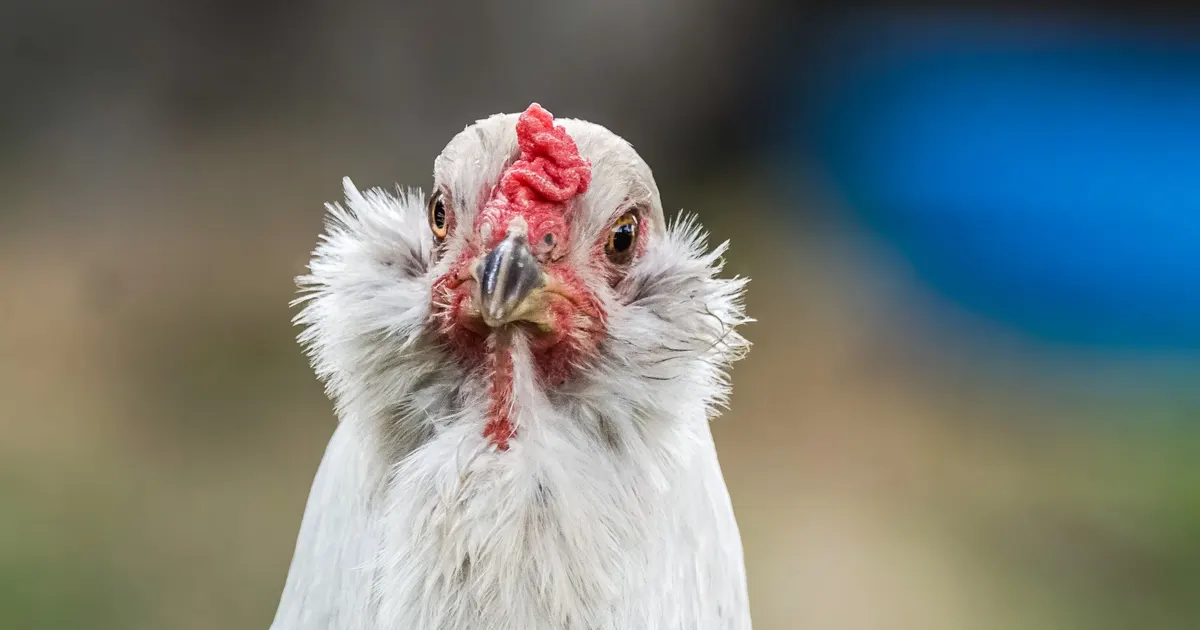
How Is a Blue Egg Made? (And Where Does the Virus Come In?)
As we explained in our Marans guide, brown pigment (protoporphyrin) is applied to the outside of the shell after it has formed — scratch it and the shell is white underneath.
Blue works entirely differently. The blue pigment is oocyanin, derived from the bile pigment biliverdin, and it is laid down through the whole thickness of the shell as it forms. Scratch a blue egg and it is still blue inside.
Now the strange part. The O gene that produces this does not naturally belong to the chicken genome. Research has shown that a retrovirus called EAV-HP inserted itself into chicken DNA and switched the gene on. In other words, a viral infection long ago is the reason for the blue egg in your hand today — one of geneticists' favourite stories.
The O gene is dominant: a single copy is enough to make a hen lay blue. That has important consequences when crossbreeding.
The most surprising part of the story: this viral insertion happened not once but twice, independently. South America's Mapuche fowl (the Araucana's ancestor) and Asia's blue-egg breeds acquired the blue shell separately from one another. Nature found the same trick twice, at opposite ends of the world.
The Colour Mixing Rule: Blue + Brown = Green
Know this rule and you can predict what colours will end up in your basket:
| Shell base | Brown coat applied | Result |
|---|---|---|
| White | None | White (Leghorn) |
| White | A little | Cream / light brown (Sussex) |
| White | A lot | Dark chocolate (Marans) |
| Blue | None | Blue (Araucana, Ameraucana) |
| Blue | A little | Green (Easter Egger) |
| Blue | A lot | Olive (Olive Egger) |
An Olive Egger is exactly that: a bird carrying the blue-egg gene crossed with a dark-brown layer such as the Marans. A thick brown coat over a blue shell gives a deep olive egg. You can easily breed this cross in your own flock.
Three Different Birds: Araucana, Ameraucana, Easter Egger
All three are often sold simply as "blue-egg chickens". They are not the same thing:
| Araucana | Ameraucana | Easter Egger | |
|---|---|---|---|
| Origin | Chile (Mapuche people) | USA, 1970s | A cross (not a breed) |
| Tail | None (rumpless) | Yes | Yes |
| Head | Ear tufts | Beard and muffs | Varies |
| Egg | Blue | Blue | Blue, green, pink… |
| Hatching risk | Lethal gene | None | None |
The Ameraucana was developed in 1970s America precisely to clean up the Araucana's genetic problems: it has a tail, it has a beard instead of ear tufts, and it carries no lethal gene.
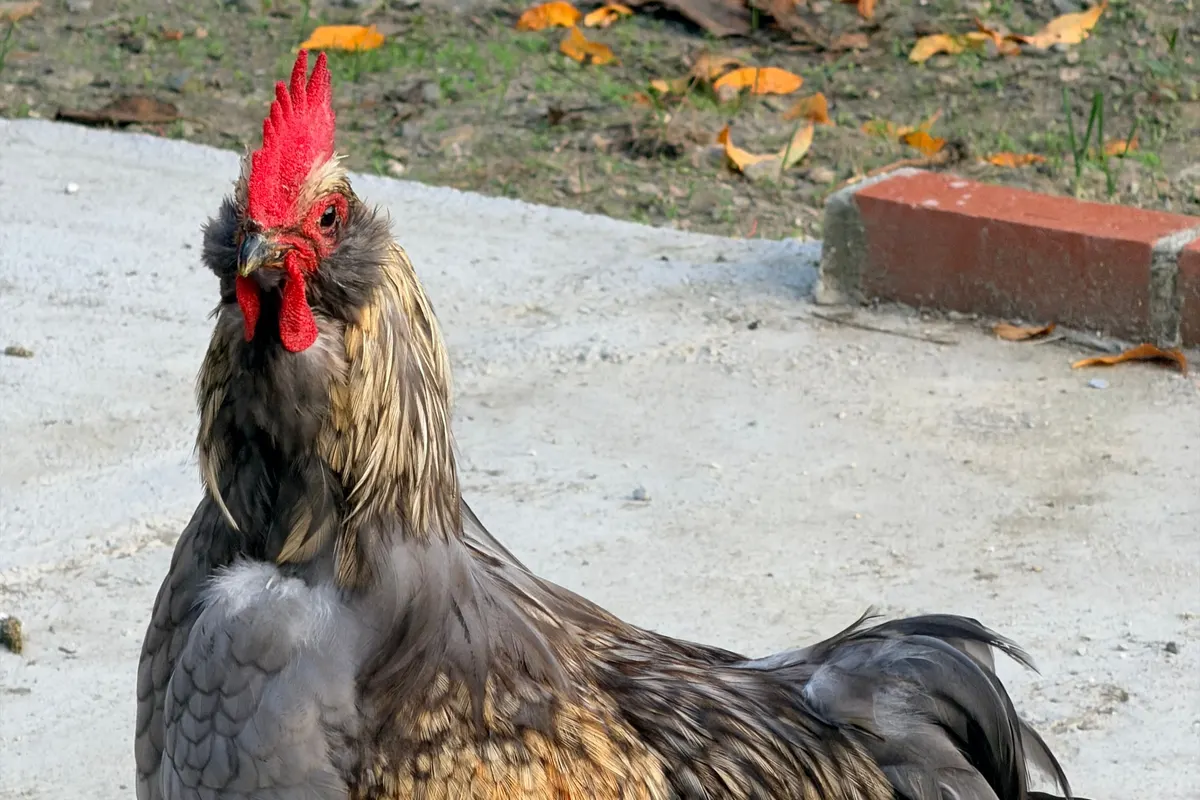
The Easter Egger is not a breed at all but any crossbred bird carrying the blue-egg gene. Most birds sold as "blue-egg layers" are these. Their eggs can be blue, green or even pink — a surprise box. They are cheap, hardy and free of hatching risk; you just can't guarantee the colour.
So why do most of the "Araucanas" you see have tails? Because there are two separate standards. The table above describes the American standard: rumpless, with ear tufts. The Araucana of the British and European standard is tailed, and carries a beard and a crest instead of tufts. Most birds sold as "Araucana" in Europe are either this European type or an Easter Egger. So when you buy, don't go by the name alone — look at the tail, the face, and whether the seller guarantees the egg colour.
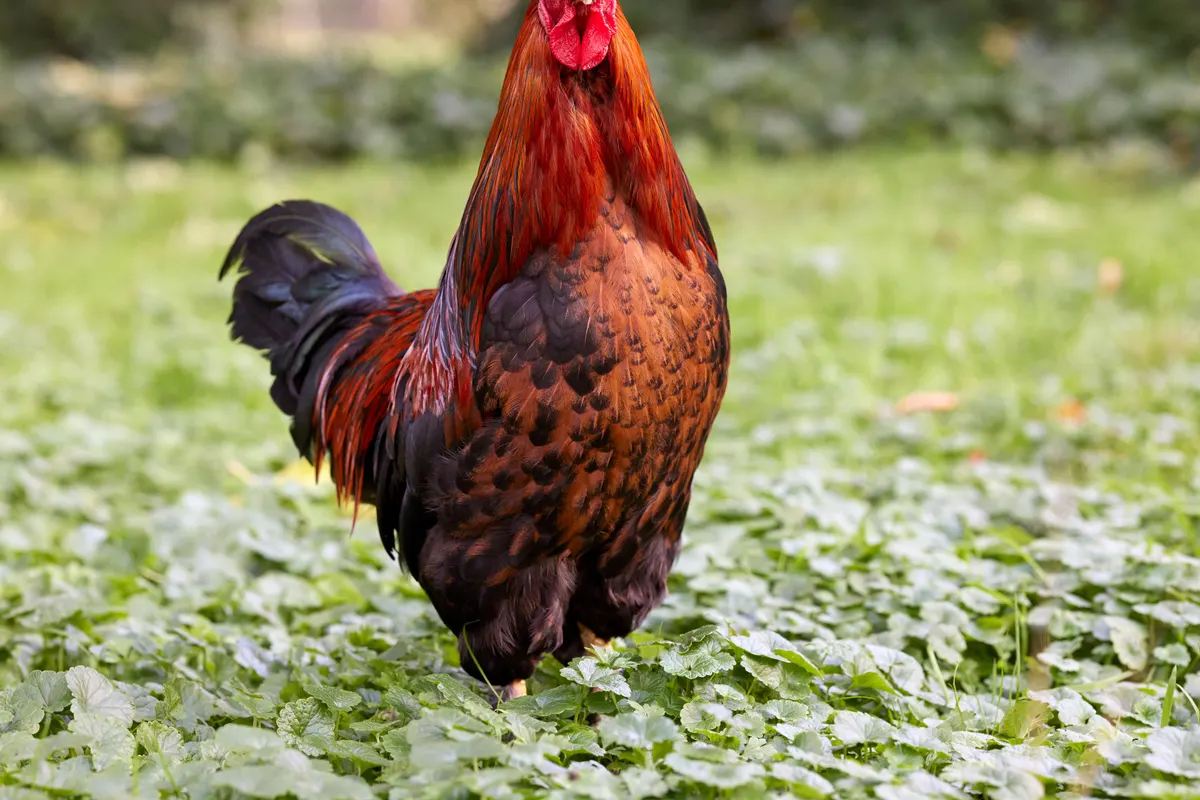
Critical Warning: The Araucana's Lethal Gene
This is the most important thing to know before hatching from a blue-egg breed.
The gene that produces the Araucana's ear tufts is lethal when homozygous. That is:
- A chick that inherits one copy → is tufted and healthy
- A chick that inherits two copies (one from each parent) → dies in the shell, usually in the last days before hatch
The result: in a tufted × tufted mating, about 25% of fertile eggs never hatch. The double-copy embryos usually die on days 17-19 of incubation; a few make it out, and most of those are lost within a week. That is not a fault in your incubator; it is genetics.
And here is the part almost nobody mentions, which is worse: the damage is not limited to the double-copy chicks. Research has measured embryonic mortality above 40% even among single-copy embryos — the tufted, apparently healthy ones — with those losses falling mostly on days 20-21, right at the door of hatching. That is the real reason Araucana breeders live with poor hatch rates: even with correct pairing, this breed hatches below a normal chicken.
The fix: mate a tufted bird with a non-tufted one. The lethal combination then never arises and your hatch rate returns to normal (half the chicks come out tufted).
The rumpless gene creates a second problem: with no tail structure, mating is physically harder and fertility drops. If you see a poor hatch, the fault may lie with your breeders rather than the machine — see our guide on how to improve egg fertility.
The Ameraucana and the Easter Egger have none of these problems. If you just want blue eggs and intend to hatch, those two are far safer choices.
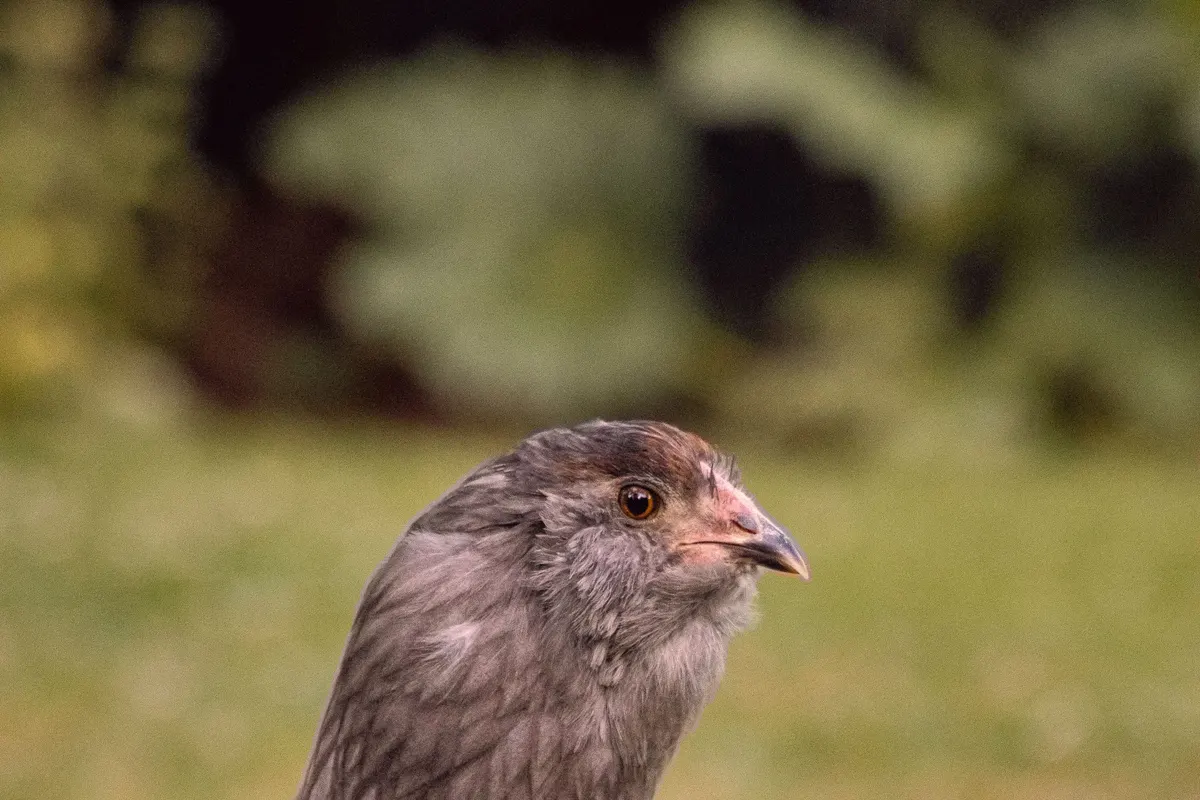
Output and General Traits
| Trait | Araucana | Ameraucana |
|---|---|---|
| Cock | ~3.0 kg | 2.7 – 3.5 kg |
| Hen | ~2.5 kg | 2.0 – 2.6 kg |
| Eggs per year | 150-180 | 180-200 |
| Egg colour | Blue / blue-green | Blue |
| Comb | Pea comb | Pea comb |
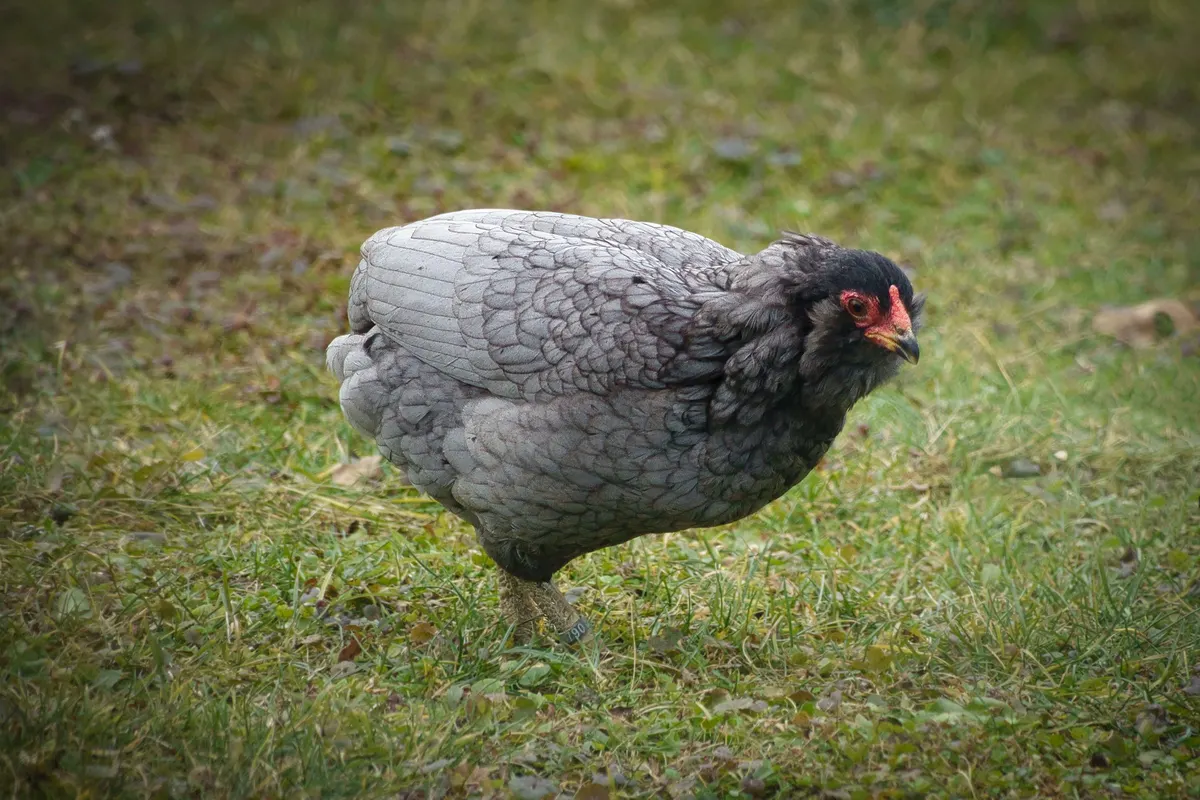
Both have a pea comb — which, as the comb table in our Wyandotte guide shows, is a big advantage in the cold: a small comb doesn't get frostbite. Both are calm and curious, active and good foragers. Broodiness is moderate.
Care and Housing
- Coop space: 0.3-0.4 m² per hen (a medium body)
- Run: 2-3 m²; active birds and good foragers
- Flying: being light, they fly well — the fence must be high, or the run covered
- Cold: the pea comb makes them cold-hardy
- Nest boxes: one per 4 hens
For coop dimensions see how to build a chicken coop, and for vaccination and hygiene our coop biosecurity guide.
Hatching
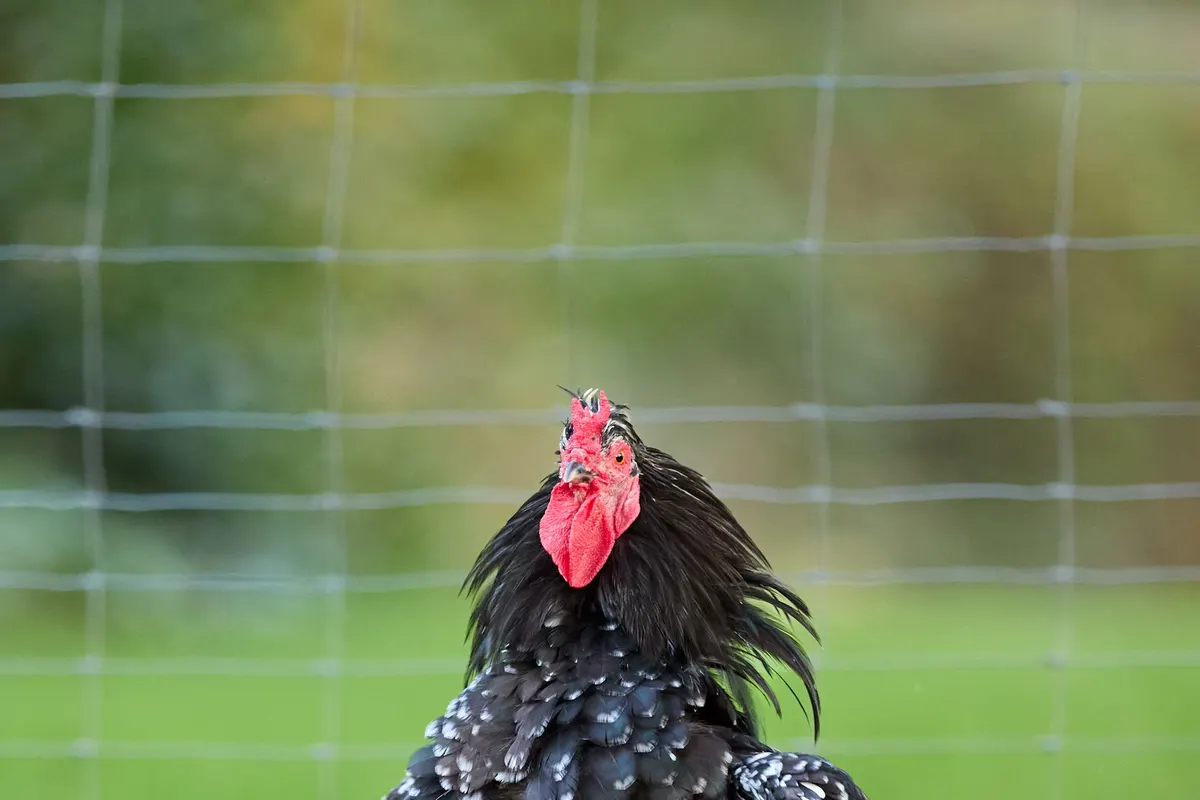
The period is standard: 21 days, 37.5-37.8 °C, 45-55% humidity, lockdown on day 18. Unlike the Marans' dark shell, a blue shell lets light through — so candling works comfortably, which is a real advantage.
We set out the process step by step in our 21-day incubation guide; to keep the days straight, the Kuluçka Takip app builds the calendar and reminds you of turning and hatch days. You can check out the app here.
A breeding note: because the blue-egg gene (O) is dominant, crossing a blue-egg bird with any other breed still gives you daughters that lay blue or green. That is the exact opposite of the Marans, whose dark colour needs many genes and is easily lost — blue survives crossbreeding easily.
Pros and Cons
- + Blue and green eggs — unmatched visual appeal in the basket
- + The blue gene is dominant: it survives crossing, and you can breed Olive Eggers
- + Pea comb → cold-hardy
- + Active, curious, good foragers
- + A blue shell candles well (unlike the Marans)
- − Araucana: the tuft gene is lethal when homozygous → a 25% hatch loss
- − Araucana: rumplessness lowers fertility
- − Moderate egg output (150-200)
- − They fly well; a high fence or covered run is needed
- − Most birds sold as "Araucana" are really Easter Eggers
Who Is It For?
It suits you if: you want a basket of coloured eggs; you keep birds as a hobby or a collection; your children will enjoy collecting blue eggs; you live somewhere cold; you like the idea of breeding crosses such as the Olive Egger.
Which one should you buy?
- If you're going to hatch → the Ameraucana (no lethal gene, guaranteed blue eggs)
- If you just want eggs and don't mind a colour surprise → the Easter Egger (cheap, hardy, trouble-free)
- If you're after show birds and pure stock → the Araucana (but stick to the tufted × non-tufted breeding rule)
It is not for you if: you want maximum eggs → the Lohmann or the Leghorn; you want meat too → the Sussex or the Plymouth Rock.
To compare all the breeds side by side, see our guide to choosing a laying or meat breed.
Frequently Asked Questions
Why do some chickens lay blue eggs?
The blue comes from the pigment oocyanin, laid down through the whole thickness of the shell. The O gene responsible was switched on when a retrovirus called EAV-HP inserted itself into the chicken genome — so the blue egg originates in a virus.
What is the difference between blue and brown eggs?
Brown pigment is applied to the surface after the shell has formed (scratch it and the shell is white underneath). Blue pigment permeates the whole shell, so a scratched blue egg is still blue.
How does a green egg happen?
Brown pigment applied over a blue shell gives green. A little brown = green (Easter Egger); a lot of brown = olive (Olive Egger). An Olive Egger is a cross between a blue-egg bird and a dark-brown layer such as the Marans.
Why are Araucana hatch rates so low?
The Araucana’s ear-tuft gene is lethal when homozygous. In a tufted × tufted mating about 25% of fertile eggs die in the shell. The fix is to mate a tufted bird with a non-tufted one.
What is the difference between the Araucana and the Ameraucana?
The Araucana is rumpless, has ear tufts and carries a lethal gene. The Ameraucana was developed in 1970s America to fix those problems: it has a tail, has a beard instead of tufts, and carries no lethal gene. If you plan to hatch, the Ameraucana is the safer bird.
What is an Easter Egger?
Not a breed but any crossbred bird carrying the blue-egg gene. Most birds sold as "blue-egg layers" are these. Their eggs can be blue, green or pink; they are cheap, hardy and free of hatching risk, but the colour isn’t guaranteed.
What egg colour do I get if I cross a blue-egg hen with another breed?
Because the blue gene (O) is dominant, half the offspring still lay blue or green. That is the opposite of the Marans, whose dark colour needs many genes — blue survives crossbreeding easily.
Related Articles
The Plymouth Rock: Traits, Egg Production and Sex-Link Breeding
The Barred Plymouth Rock: origin, 220-250 eggs a year, the sex-linked barring gene and how to breed sex-link chicks with a RIR, the White Rock as the female line of the world's broilers, its calm temperament and care.
Rhode Island Red: Traits, Egg Production, Care and Sex-Link Breeding
The Rhode Island Red, genetic ancestor of the modern laying hybrids: origin, 250-300 eggs a year, dual-purpose body, hardiness, rooster aggression, the heritage vs production line difference, and breeding sex-link chicks with a RIR.
Canary Colour Mutations: Two Genes That Kill in Double Dose
The canary is bred in three directions: song, colour, shape. Its most striking feature is two lethal dominant genes: dominant white and the crest kill the embryo in double dose — just like the Araucana ear tuft. The white × yellow and crested × plainhead pairing rule, how the red factor came from the red siskin and colour feeding, and sex-linked melanin mutations.