Rhode Island Red: Traits, Egg Production, Care and Sex-Link Breeding
The Rhode Island Red (RIR) is the most widely kept dual-purpose chicken in the world. But its real significance lies elsewhere: it is the genetic ancestor of most of the hybrids you keep for eggs today. The Lohmann Brown descends from it, Turkey's Atak-S is its cross with the Plymouth Rock, and every "sex-link" hybrid in the world has a RIR cock as its father. In this guide we cover the RIR's origin, output, hardiness, care and two critical warnings.
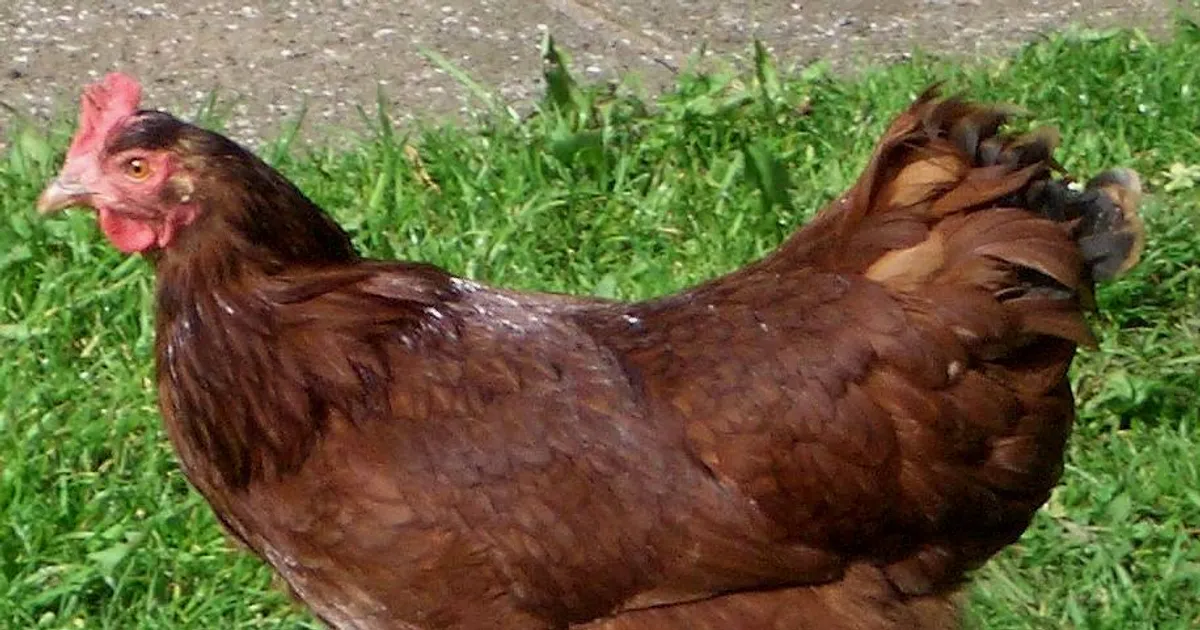
Origin: The Pride of a State
The RIR was developed in the late 1800s in the American state of Rhode Island, carrying Malay, Java, Cochin and Brown Leghorn blood. The Malay contribution gave it its deep red colour, its solid body and its hardiness. The breed was such a success that it was made the state bird of Rhode Island.
- Cock: 3.5 – 4.0 kg
- Hen: 2.5 – 3.0 kg
- Colour: deep chestnut-red; the feathers are hard, glossy and close-fitting
- Comb: single (rose-combed in some lines)
Egg Production in Numbers
| Trait | Value |
|---|---|
| Point of lay | 5-6 months (20-24 weeks) |
| Eggs per year | 250-300 |
| Egg weight | 60-70 g (large) |
| Egg colour | Brown |
| Daily feed intake | 120-130 g |
| For meat | Cocks 3.5-4 kg → serious meat value |
Those numbers make the RIR a genuine dual-purpose breed: it comes close to the Lohmann's 300-320 eggs, but unlike the Lohmann its carcass is worth something too. It isn't as big as the Brahma, but it lays three times as many eggs. For anyone who wants both eggs and meat, it is one of the best-balanced choices there is.
An Important Distinction: Heritage or Production Line?
Two quite different birds are sold today under the name "Rhode Island Red", and if you don't know the difference the bird you buy won't meet your expectations:
- Heritage RIR: a dark, almost black-red; a large body; genuinely dual purpose. Egg output is somewhat lower (200-250) but meat value and hardiness are high. Numbers are declining.
- Production RIR: a lighter red and a lighter frame; selected for eggs. It lays 280-300 but its meat value drops. Most of what you'll find on the market is this.
Don't expect a meaty dual-purpose bird and end up with a light layer: when buying stock, ask which line it comes from.
Hardiness and Climate Tolerance
This is the RIR's strongest suit. It copes with heat and cold alike, resists disease well and forgives husbandry mistakes. It is not fussy about feed and is a good forager.
That toughness is no accident: for over a century the RIR has produced in village conditions, in unheated coops and out on free range. It's why the breed is considered one of the most forgiving for beginners.
Even so, "hardy" doesn't mean "no vaccination". Marek's, Newcastle and Gumboro vaccinations are essential. For the rules, see our coop biosecurity guide.
A Critical Warning: The Cocks Can Be Aggressive
RIR hens are calm, curious and friendly. But RIR cocks are notorious for aggression. This is the breed's best-known fault and it should be taken seriously in a household with children.
You don't need a cock for eggs — hens lay perfectly well without one (see eggs without a rooster). Keep a cock only for fertile eggs and chicks, and don't persist with an aggressive one in the flock. If you want a calm cock, the Brahma or the Silkie are far better suited.
Care and Housing
- Coop space: 0.3-0.4 m² per hen
- Run: at least 1-2 m² per hen — this is an active, curious breed that likes to range
- Nest boxes: one per 4-5 hens
- Perch: 20-25 cm per hen
- Light: 14-16 hours a day in lay
For coop construction and dimensions, see our guide on how to build a chicken coop.
Feeding
- Layer feed: 16-18% protein, 120-130 g a day
- Calcium: oyster shell or limestone in a separate dish — large eggs need a thick shell
- Grit: a ranging hen eats coarse material; the gizzard needs grit to grind it
- Water: clean and constant
Hatching: The Father of the Modern Hybrids
Two things matter about the RIR when it comes to hatching.
1. Broodiness: in production lines the brooding instinct has been largely bred out; the RIR rarely goes broody. Heritage lines do so occasionally. So don't plan on natural incubation with a RIR — adding a Silkie to the flock is far more reliable for that. Hatch RIR eggs in an incubator: the period is standard, 21 days, 37.5-37.8 °C, 45-55% humidity, lockdown on day 18. We set out the process in our 21-day incubation guide; to keep the days straight, the Kuluçka Takip app builds the calendar automatically. You can check out the app here.
2. Breeding sex-link hybrids: this is the RIR cock's great genetic gift. Mate a RIR cock with a Barred Plymouth Rock hen and the sex of the chicks can be read on day one: the males carry a light spot on the head, the females don't. That ends the "they all turned out roosters" surprise. Turkey's Atak-S is exactly this cross. For detail see our guide on how to tell a chick's sex.
But be careful: that is an F1 cross. Breed the crossbred chicks among themselves and the sex-link rule breaks down and the output scatters. The pure RIR, on the other hand, breeds true — it is a pure breed, not a hybrid, so chicks from your own eggs carry the same traits as their parents.
Pros and Cons
- + Genuinely dual purpose: 250-300 eggs plus a 3.5-4 kg cock
- + Tolerates heat and cold; resists disease
- + Forgives husbandry mistakes — ideal for beginners
- + A good forager; suits free range
- + A pure breed: you can hatch your own chicks
- + Ideal for breeding sex-links (chick sex readable on day one)
- − The cocks can be aggressive — a risk in households with children
- − Rarely goes broody; not the bird for natural incubation
- − Heritage vs production line confusion: the bird you buy may not be the one you expect
- − Active and curious: it gets bored in a cramped space and pecking increases
Who Is It For?
The RIR suits you if: you want eggs and meat, you're starting out and want a forgiving breed, your coop is unheated, you want your hens to range, or you want to breed your own sex-link chicks.
The RIR is not for you if: you're after natural incubation — take the Silkie; you only want maximum eggs — take the Lohmann; you want a very calm, child-friendly cock — the Brahma is the better call.
To compare all the breeds side by side, see our guide to choosing a laying or meat breed.
Frequently Asked Questions
How many eggs does a Rhode Island Red lay per year?
A RIR lays 250-300 large (60-70 g) brown eggs a year and starts laying at 5-6 months old.
How big is a Rhode Island Red?
Cocks reach 3.5-4 kg and hens 2.5-3 kg. That weight makes it a genuine dual-purpose (egg and meat) breed.
Are Rhode Island Red roosters aggressive?
Yes — RIR cocks are known for aggression; it is the breed’s commonest fault. The hens, by contrast, are calm and friendly. Take care keeping a cock in a household with children.
Does the Rhode Island Red go broody?
Rarely. In production lines the brooding instinct has largely been bred out, so the RIR is not the bird for natural incubation. A Silkie is far more reliable for that.
How is the Atak-S related to the Rhode Island Red?
The Atak-S is a cross of a RIR cock with a Plymouth Rock hen. So the RIR is the genetic ancestor of Turkey’s Atak-S hybrid — and the Lohmann Brown also descends from RIR lines.
How do you breed sex-link chicks with a RIR?
Mate a RIR cock with a Barred Plymouth Rock hen: the male chicks carry a light spot on the head, so sex is readable on day one. This is an F1 cross and cannot be bred on among itself.
What is the difference between heritage and production RIR?
The heritage RIR is darker and heavier, genuinely dual purpose, but lays 200-250 eggs. The production line is lighter in colour and frame, lays 280-300, but has less meat value.
Related Articles
The Plymouth Rock: Traits, Egg Production and Sex-Link Breeding
The Barred Plymouth Rock: origin, 220-250 eggs a year, the sex-linked barring gene and how to breed sex-link chicks with a RIR, the White Rock as the female line of the world's broilers, its calm temperament and care.
The Leghorn Chicken: Traits, Egg Production, Feed Efficiency and Care
The Leghorn, ancestor of the white egg: origin, 280-320 eggs a year, the lowest feed intake of any breed, the earlobe-egg colour rule, its ability to clear a 2-3 m fence, comb frostbite risk, and why it never goes broody.
The Sussex: Traits, Egg Production, Foraging Power and Care
Britain's oldest breed, the Sussex: 250-300 eggs, an early point of lay (4.5-5 months), output that holds for 3-4 years, winter eggs and the best foraging ability of all — the balanced dual-purpose bird that cuts the feed bill on free range.