Keeping Peafowl: The Train, Three Years of Patience and Blackhead
The peafowl is the one bird in this series you do not keep for meat or eggs. A hen lays 8-16 eggs a year; the meat is edible but nobody rears them to eat. Peafowl are kept for the show — and that changes every rule of keeping them.
This guide takes them realistically: why that famous "tail" is not a tail, why you must wait three years, why your neighbours may come to hate you, and why your chickens can kill them.
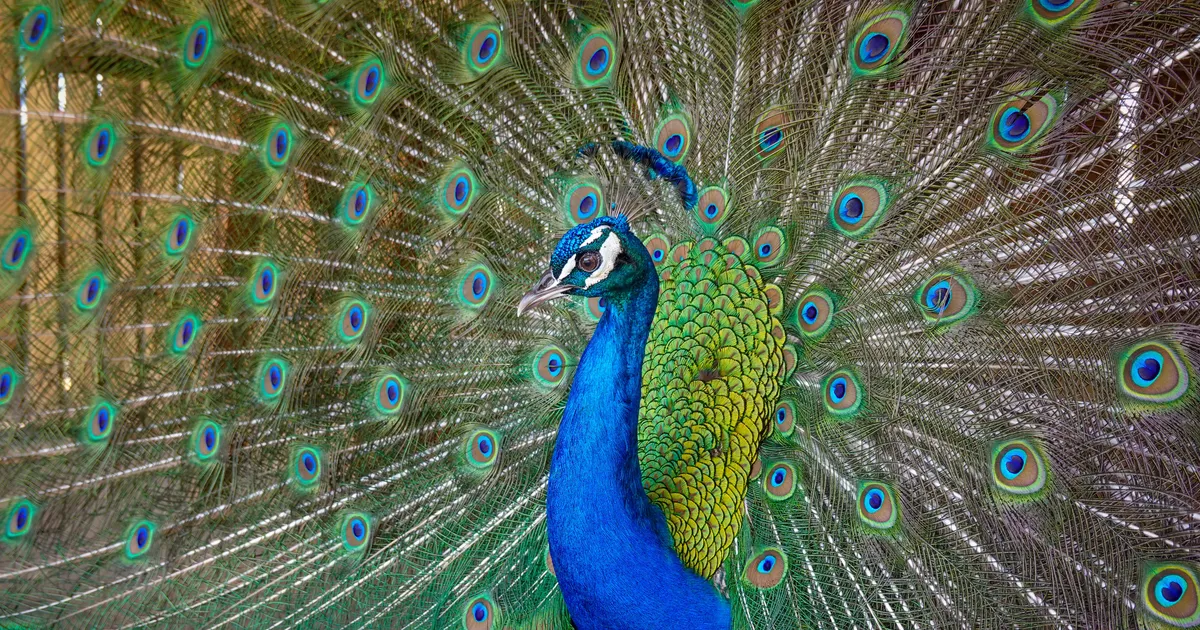
First, That "Tail": It Isn't One
The magnificent fan a peacock raises is not his tail.
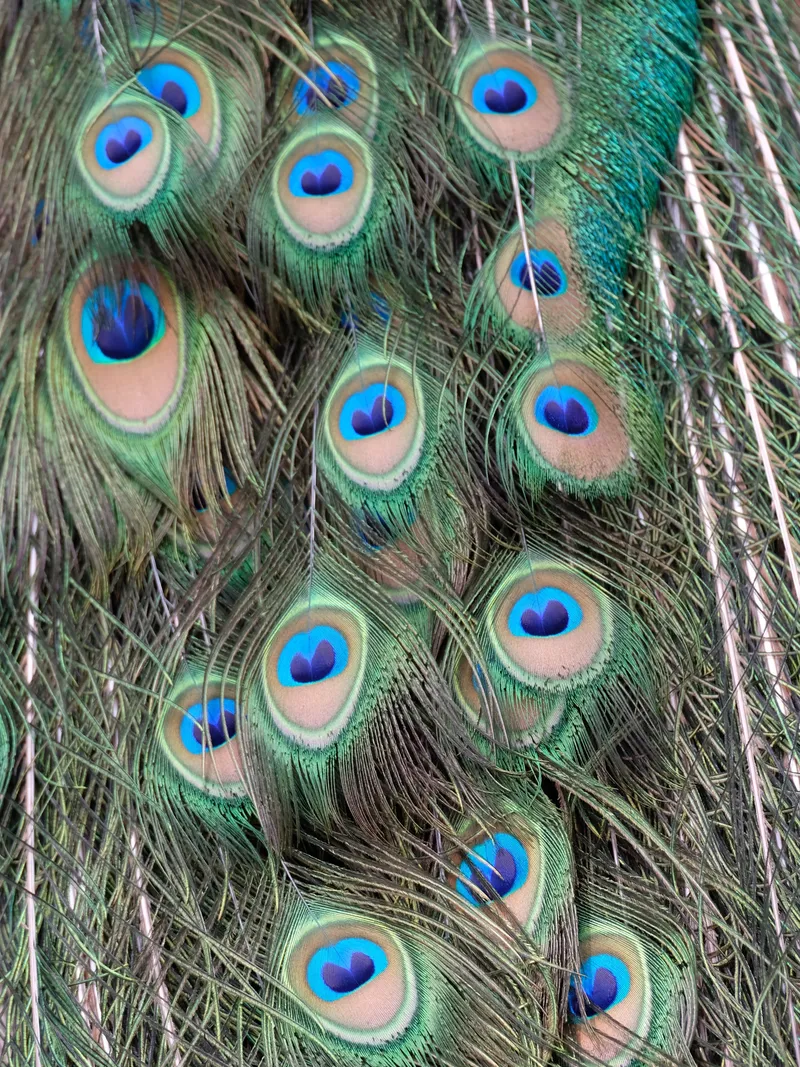
It is called the train, and it is made of elongated upper tail coverts — the feathers that cover the tail. The real tail feathers are short, stiff and drab; they stand behind and hold the train up like scaffolding. When the bird raises his tail, the train fans out above it.
- The train carries 150-200 feathers, each with the famous eye (ocellus)
- It can pass 1.5 m in length — longer than the bird itself
- It is moulted every year after the breeding season (July-August)
The practical consequence: if you want to sell feathers, you never need to pluck the bird. Walk the pen in August and pick up what has dropped. Pulling feathers is both unnecessary and cruel — and a pulled feather grows back deformed the following year.
The Patience Test: Three Years
Peafowl are a slow investment. The chick you buy is not the bird you are picturing:
| Age | The cock |
|---|---|
| Year 1 | No train; hard even to tell from a hen |
| Year 2 | A short, thin train; the colour starts to set |
| Year 3 | The full train. The bird you had in mind |
The hen, too, does not lay before she is two. So buy a pair of chicks and you'll see the first egg after two years and the first real display after three. In exchange the bird lives over 20 years — patience pays.
Output in Numbers
| Trait | Value |
|---|---|
| Cock weight | 4-6 kg |
| Hen weight | 2.7-4 kg |
| Point of lay | Two years |
| Eggs per season | 8-16 (April-June) |
| Incubation | 28-30 days |
| Sex ratio | 3-5 hens per cock |
| Lifespan | 20+ years |
Laying is seasonal, as in the goose and the turkey, and the numbers are tiny. There is no such thing as peafowl egg production; the eggs exist to make more peafowl.
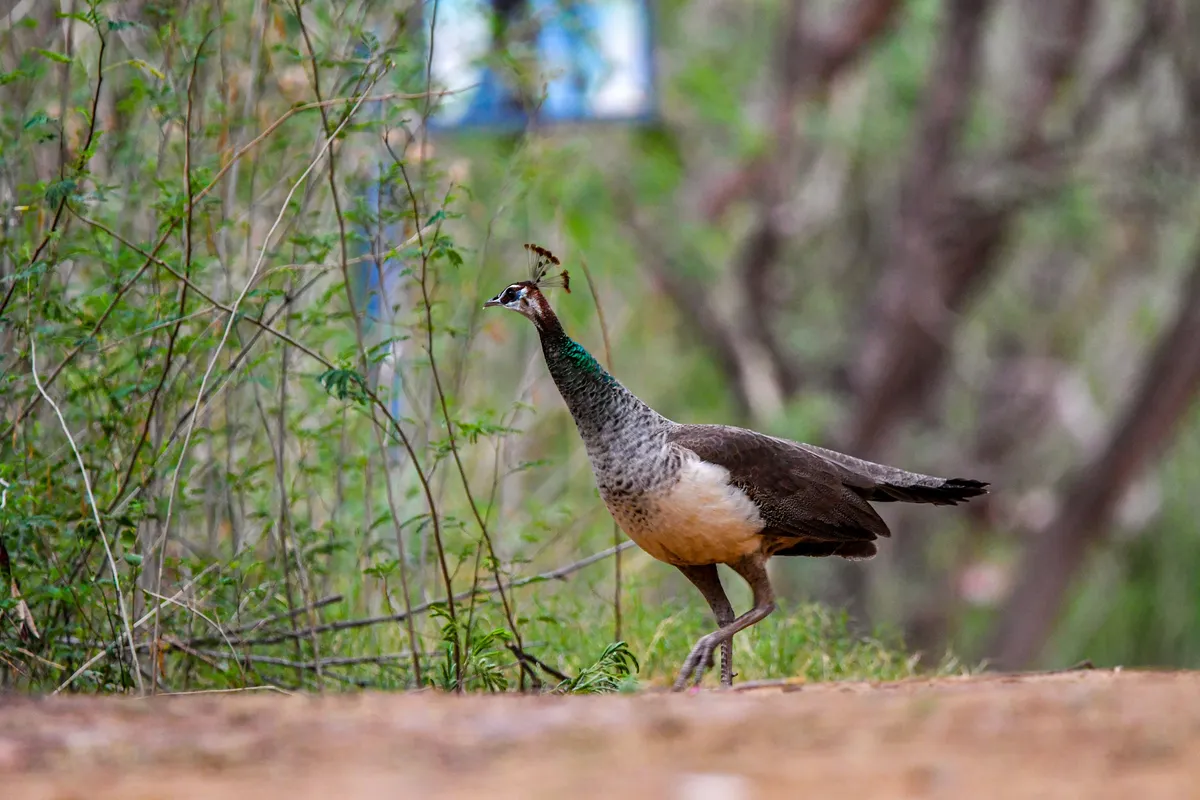
Species and Colours
| Species | Origin | Note |
|---|---|---|
| Indian (Pavo cristatus) | India, Sri Lanka | The classic blue. 95% of birds kept |
| Green (Pavo muticus) | Java, Myanmar | Bigger, more aggressive, cold-sensitive |
| Congo (Afropavo congensis) | Africa | Rare; almost never kept by hobbyists |
Colour varieties (all mutations of the Indian):
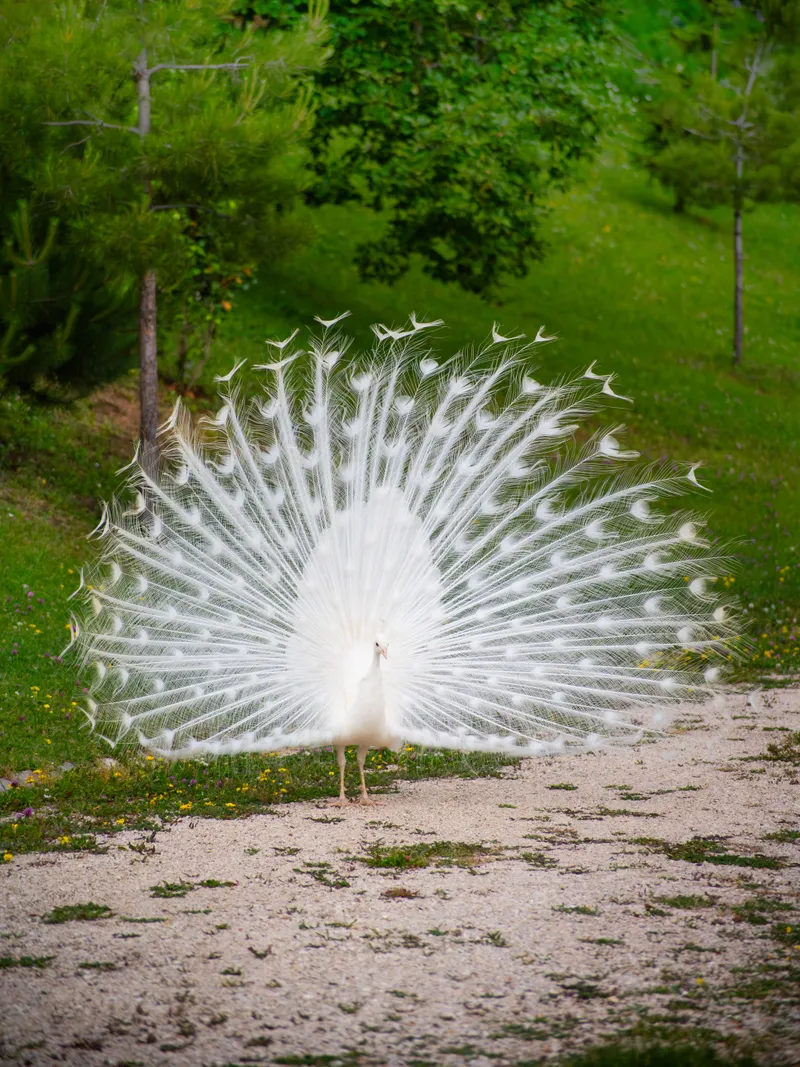
- White: not albino — a leucistic mutation. The eyes are normally coloured (an albino's would be red). The train is white, but the eye pattern still shows in relief.
- Black-shouldered: the cock's wing feathers are solid black
- Pied: patched white and blue
On hybrids: an Indian × Green cross is called a Spalding, and it is fertile. Readers of this series will recognise the theme: the Muscovy × mallard cross (the mulard) is sterile, but peafowl hybrids, like goose hybrids, breed on.
The Neighbour Problem: The Noise
This is the biggest and most frequent regret in peafowl keeping.
The peacock screams, especially in the breeding season (spring), at dawn and dusk. The call carries more than a kilometre and, because it sounds like a human cry, it is genuinely disturbing.
We set out the same problem for the guinea fowl — but a guinea shouts when it sees danger. A peacock shouts at nothing, all season, every morning.
The rule: if you have close neighbours, talk to them before you buy. In a town, or anywhere built up, this bird is a problem.
Critical: Your Chickens Can Kill Your Peafowl
This is the costliest mistake hobbyists make — and it is the third time it comes up in this series.
Blackhead (histomoniasis): chickens carry the parasite but don't sicken; they shed it in the eggs of the caecal worm, and those eggs survive in the soil for years. A peafowl pecking that ground falls ill — and dies.
| Bird | Susceptible to blackhead? |
|---|---|
| Chicken | No — a symptomless carrier |
| Turkey | Very (50-100% mortality) |
| Guinea fowl | Yes |
| Peafowl | Yes |
The rule: keep peafowl off ground the chickens use. Not the same run, not the same house, not the same manure. Run a regular worming programme and follow our coop biosecurity guide.
Housing: They Roost High and They Wander
- They fly and roost high — into trees, onto roofs and poles. A pen needs to be at least 3 m tall and covered.
- Space: at least 8-10 m² per bird; a train needs room to open.
- Perches: high and wide — the train must not touch the floor, or it fouls and breaks.
- Release: turn a new bird loose and it leaves. As with the guinea fowl, confine it for at least six to eight weeks so it learns where home is; then try one bird.
- Cold: the Indian peafowl is surprisingly cold-hardy, but it needs a dry, draught-free shelter and unfrozen water. The Green is far more sensitive.
Strange but True: He Attacks His Reflection
In the breeding season a peacock mistakes his own reflection for a rival in any shiny surface and attacks it:
- Car doors and bodywork (scratches!)
- Glass doors, mirrors, polished metal
This is not a joke; in the display season he can do real damage to your paintwork. Cover the car or park it away.
Incubation and Rearing
- Incubation: 28-30 days (much like a turkey). The detail is in our peafowl incubation guide.
- Natural incubation: a peahen will go broody but she is unreliable and loses nests to predators. The common answer is to set the eggs under a broody hen or a turkey. (But once the chicks hatch, get them off chicken ground — blackhead!)
- Feed: starter at 28% protein — the same as turkey poults; chick feed (20%) is not enough.
- Heat: 35-37 °C in week one; use our brooder guide and shift the numbers up.
- A LID IS ESSENTIAL: the chicks start flying within a few weeks.
- Worming: blackhead and worm risk peak in the chick stage; a preventive programme is essential.
The Kuluçka Takip app builds the calendar by species (28-30 days for peafowl) and reminds you of turning, lockdown and hatch days. You can check out the app here.
The Legal Position
The peafowl is native to India and Sri Lanka (the green peafowl to South-East Asia). Unlike the pheasant and the partridge, in most countries outside that homeland it is not a native wildlife species; it counts as an ornamental exotic and generally fall outside the game-bird permit regime. Even so, check your local rules on sale, transport and municipal by-laws — the noise in particular can cause trouble in built-up areas.
Who Is It For?
Peafowl suit you if: you have land and distant neighbours; you want the bird for display; you have the patience to wait three years; you're after feathers, breeding stock or the look of the place; and you can keep your chickens on separate ground.
They don't suit you if: you want eggs or meat (completely the wrong bird); you have close neighbours (the noise); you have a small enclosed garden (they fly and roost high); you must share ground with chickens (blackhead); or you want a quick return.
If you want an ornamental bird but something easier, consider the pheasant (a licence, but quiet) or the Silkie (striking, quiet and gentle).
Frequently Asked Questions
At what age does a peacock’s train develop?
The full train is complete at three years. In year one there is no train (it is hard even to tell him from a hen), in year two a short, thin train appears, and in year three you get the bird you pictured. The hen, likewise, does not lay before she is two.
Is that magnificent fan the peacock’s tail?
No. It is called the train and is made of the elongated upper tail coverts — the feathers that cover the tail. The real tail feathers are short, stiff and drab, and they stand behind to hold the train up like scaffolding. The train carries 150-200 feathers and can exceed 1.5 m.
Do you have to pluck a peacock for its feathers?
No. The train is moulted every year after the breeding season (July-August); you simply walk the pen and pick the feathers up. Pulling feathers is unnecessary and cruel, and a pulled feather grows back deformed the following year.
How many eggs does a peahen lay a year?
8-16 in a season (April-June). Laying is seasonal, and she does not start before she is two. Incubation runs 28-30 days. Peafowl are not kept for eggs or meat — the eggs exist to make more peafowl.
Can I keep peafowl with chickens?
It’s risky. Peafowl are susceptible to blackhead (histomoniasis); chickens are symptomless carriers that shed the parasite in the eggs of the caecal worm, and those eggs survive in the soil for years. A peafowl pecking that ground sickens and dies. The same rule applies to turkeys and guinea fowl.
Are peafowl very noisy?
Yes — it is the single biggest regret in keeping them. The cock screams at dawn and dusk, especially through the spring breeding season; the call carries over a kilometre and sounds like a human cry. Unlike a guinea fowl, he shouts at nothing at all. If you have close neighbours, talk to them before you buy.
Is a white peafowl an albino?
No, it is a leucistic mutation. Its eyes are normally coloured (an albino’s would be red). The train is white, but the eye (ocellus) pattern still shows in relief. The white is a colour variety of the Indian peafowl.
Related Articles
Budgerigar Colour Mutations: The Genetics and Predicting Chick Colour
We explain the budgerigar's dozens of mutations, all derived from one wild colour (green), through three inheritance rules: recessive (blue series, the 'split' idea), dominant (grey, spangle) and sex-linked (lutino/albino, cinnamon, opaline). Reading sex from colour thanks to the ZW sex chromosome, the dark-factor table, and the health risk of inbreeding for colour.
Emu and Rhea Farming: The Male Does the Incubating
The ostrich’s two cousins, two different businesses: the emu’s money is in oil (6-10 litres), the rhea’s in meat. All three share one oddity — the male incubates. A male emu barely leaves the nest for 50-56 days, eating and drinking nothing and losing up to a third of his body weight; a male rhea alone incubates the 10-60 eggs that several females lay in his single nest. The toe table: two in the ostrich, three in the emu and rhea, four in a hen, five in the Faverolles.
The Faverolles: Five Toes, a Beard and the Gentlest Temperament
The five-toed, bearded French Faverolles: the table of five-toed breeds (Silkie, Dorking, Houdan, Sultan), the special care its beard needs because it hides lice, the bullying risk that comes with extreme gentleness, winter laying, and chick sexing in the Salmon variety.