The Cochin: The Giant Feathered Breed, Broody Capacity and Care
The Cochin changed the history of poultry keeping. When it arrived in Britain from China in the 1840s it caused such a sensation that it triggered a craze remembered as "Hen Fever": Queen Victoria was given Cochins, aristocrats paid fortunes for these feathered giants, and the whole culture of exhibition and ornamental poultry was born right there.
But the Cochin's value today isn't historical — it is thoroughly practical: it is one of the most reliable and highest-capacity broody mothers there is.
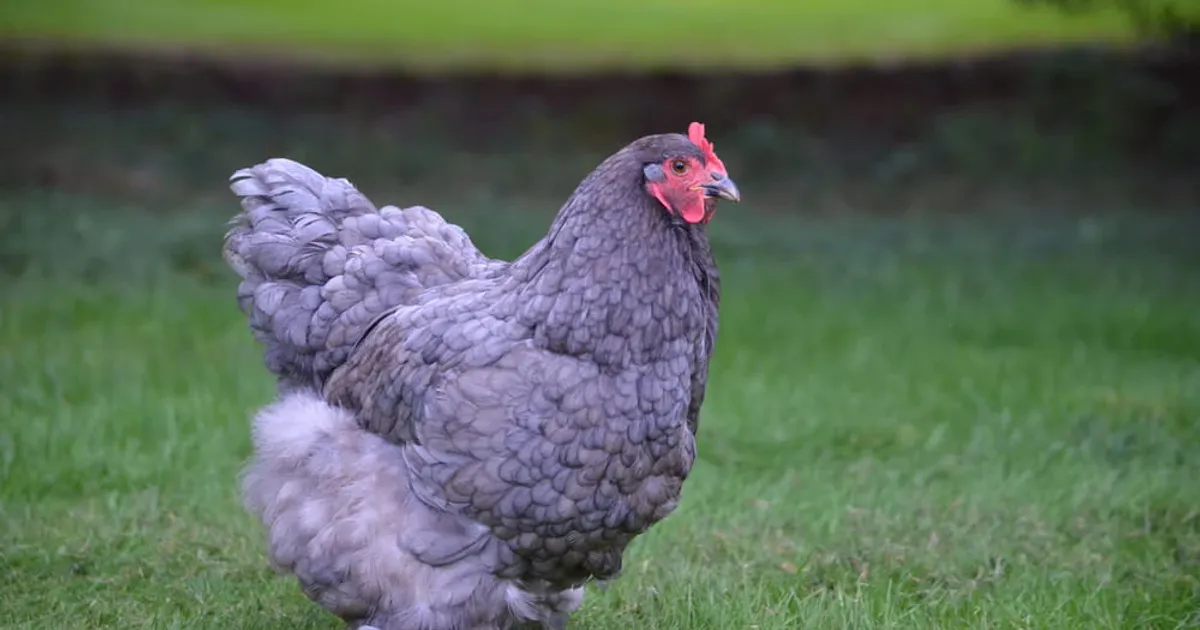
Origin: The Ancestor of Every Fluffy Breed
The Cochin comes from the Shanghai region of China. Once it reached Europe and America it was used to build breeds that would become far more famous than itself:
- The Brahma — owes its size and feathered legs to the Cochin
- The Orpington — its fluffy plumage is a Cochin contribution
- The Wyandotte — its round, stocky body shape comes from here
In other words, behind every fluffy breed on this site stands the Cochin. It is the "fluff donor".
- Cock: 4.5 – 5.5 kg (more in giant lines)
- Hen: 3.5 – 4.5 kg
- Feathers: extremely fluffy; dense feathering right down to the toes
- Bantam Cochin: hugely popular as an ornamental bird; the same traits in miniature
Output: Set Your Expectations Correctly
| Trait | Value |
|---|---|
| Point of lay | 7-8 months (very late) |
| Eggs per year | 150-180 |
| Egg weight | 50-55 g (medium-small) |
| Egg colour | Brown |
| Daily feed intake | 140-160 g (a big body eats a lot) |
The numbers are plain: the Cochin is not a production breed. It starts late, lays little, eats a lot, and on top of that keeps going broody, which stops it laying altogether. Keeping Cochins for eggs makes no sense.
So why keep them? For two things: motherhood and ornamental value.
The Real Value: Broody Capacity
The Silkie is the most famous broody — but it is small. You can only set 6-8 chicken eggs under one. The Cochin offers the same devotion with a far bigger body.
| Breed | Broody reliability | Chicken eggs you can set |
|---|---|---|
| Silkie | Very high | 6-8 |
| Wyandotte | High | 10-12 |
| Orpington | Very high | 10-12 |
| Cochin | Very high | 12-15 |
| Brahma | Moderate-high | 8-10 (crushing risk) |
A Cochin sits patiently, doesn't abandon the nest, and protects and raises the chicks. Keepers also use them to hatch other species' eggs — pheasant, partridge, duck. For anyone doing natural incubation it is among the most dependable choices.
The bantam Cochin has a special role of its own: its small body makes it an ideal foster mother for small eggs such as quail and pheasant or partridge.
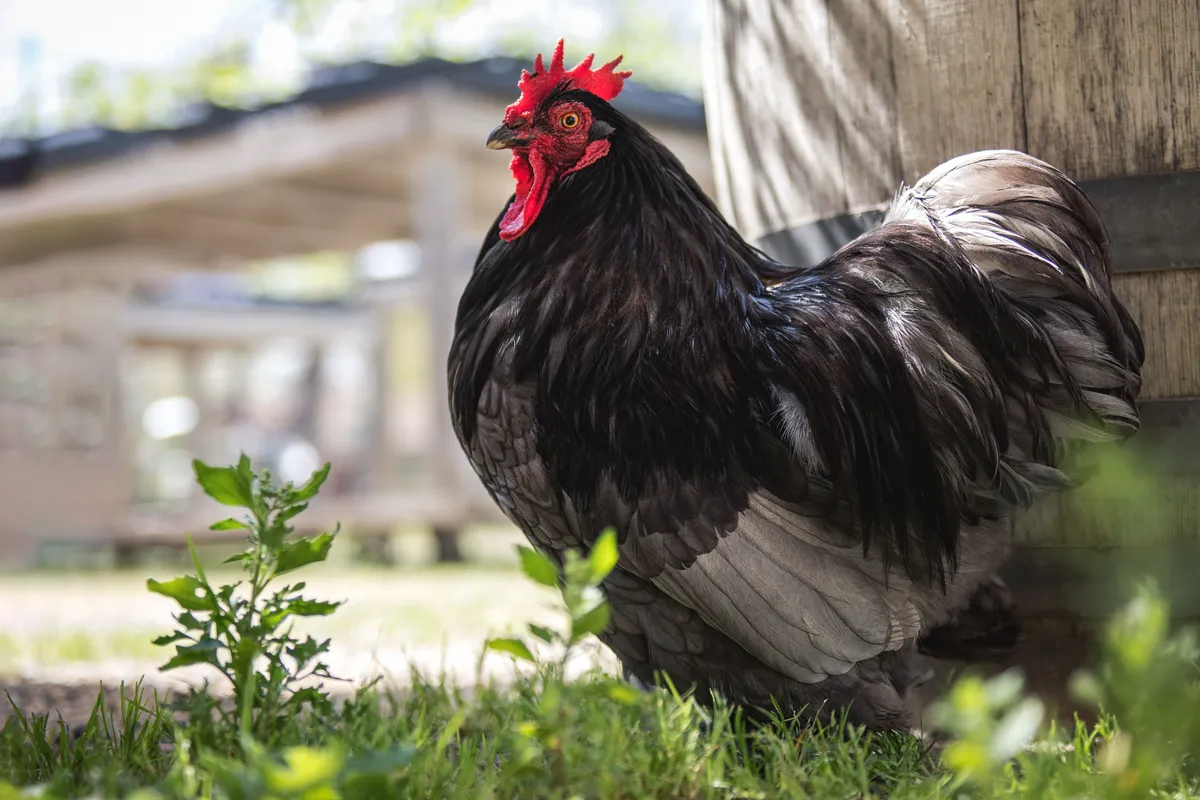
Careful: Heavy Body and Feather Problems
The Cochin's mothering is superb, but it carries two physical risks:
- Crushed eggs: a 4 kg hen settling onto eggs can break them. Build the nest with soft, deep bedding and make sure eggs can't roll and get trapped at the edge.
- Fertility: as we explained in our Orpington guide, the thick cushion of feathers around the vent physically obstructs mating and lowers the fertility rate. The fix: trim the feathers around the vent of the breeding cock and hens (a patch 3-5 cm across). This is routine practice with heavily feathered breeds like the Cochin. For detail see our guide on how to improve egg fertility.
An Unexpected Advantage: It's Happy in a Small Space
This sets the Cochin apart from almost every other breed on this site. Active breeds like the Leghorn, the Welsummer or the Sussex get bored in a small run, turn bad-tempered and start pecking. The Cochin is lazy, calm and placid — a small garden or a closed run doesn't bother it in the least.
It also cannot fly at all: a 1-metre fence holds it. For anyone keeping chickens in a small urban garden it is one of the best-suited breeds there is.
But there's a price: lazy plus large plus a big appetite equals fat. A fat hen stops laying and runs into health problems. Limit the corn and the table scraps, and give it room to move.
Care and Housing
- Coop space: 0.5 m² per hen (a large body)
- Run: 1-2 m² is enough (it tolerates confinement)
- Perch: very low (30-40 cm) — a heavy body bruises its footpad coming down from height (bumblefoot)
- Floor: dry, without exception. Feathered legs in mud become prone to fungus, scaly leg mite and external parasites (the same problem as in the Brahma)
- Heat: thick feathering is a burden in summer; shade and cool water are essential
- Nest box: wide — a big body won't fit a standard one
For coop dimensions see how to build a chicken coop, and for vaccination and hygiene our coop biosecurity guide.
Hatching
For natural incubation the Cochin is an ideal choice; the detail is in our guide to hatching with a broody hen.
In an incubator the period is standard: 21 days, 37.5-37.8 °C, 45-55% humidity, lockdown on day 18. We set out the process in our 21-day incubation guide; to keep the days straight, the Kuluçka Takip app builds the calendar and reminds you of turning and hatch days. You can check out the app here.
The Cochin is a pure breed — chicks from your own eggs carry the same traits as their parents.
Pros and Cons
- + Among the most reliable broodies; you can set 12-15 eggs under one
- + Will also hatch other species' eggs (pheasant, partridge, duck)
- + The bantam Cochin is an ideal foster mother for quail and pheasant eggs
- + Extremely docile and calm; good with children, learns its name
- + Content in a small space — ideal for a small garden
- + Cannot fly; a 1 m fence is enough
- + Cold-hardy; spectacular, with high show value
- − Low egg output (150-180) and a very late start (7-8 months)
- − Eats a lot (140-160 g) and puts on fat easily
- − A heavy body: risk of crushed eggs, a low perch is compulsory
- − Vent feathering lowers fertility (trimming needed)
- − Feathered legs: a dry floor and parasite control are essential
- − Poor in heat
Who Is It For?
The Cochin suits you if: you want to hatch naturally and need a reliable, high-capacity broody mother; you have a small or enclosed garden; you have children and want a very calm bird; you keep ornamental or show poultry; you want a "living incubator" in the flock that will also sit on quail or pheasant eggs.
The Cochin is not for you if: you want eggs → the Lohmann or the Leghorn; you want meat → the Brahma (it grows faster and carries more meat); feed cost matters to you; you live in a hot climate; or a small, light broody is enough for you → the Silkie is more economical.
To compare all the breeds side by side, see our guide to choosing a laying or meat breed.
Frequently Asked Questions
How many eggs does a Cochin lay per year?
It lays 150-180 brown eggs a year (50-55 g) and starts very late, at 7-8 months. Frequent broodiness interrupts laying further; the Cochin is not a production breed.
Why is the Cochin considered one of the best broody mothers?
Because it goes broody reliably, sits patiently, and its large body means you can set 12-15 chicken eggs under it (against 6-8 under a Silkie). It will also hatch pheasant, partridge and duck eggs.
How big is a Cochin?
Cocks reach 4.5-5.5 kg and hens 3.5-4.5 kg, heavier still in giant lines. The legs and feet are densely feathered right down to the toes.
Can a Cochin be kept in a small space?
Yes — this is one of its biggest advantages. Being lazy and placid, it doesn’t get bad-tempered in a small or closed run, and since it cannot fly at all, a 1-metre fence is enough. It is the ideal breed for a small garden.
Why might fertility be low in Cochin eggs?
The thick cushion of feathers around the vent physically obstructs mating. Trimming those feathers on the breeding cock and hens (a patch 3-5 cm across) noticeably improves fertility.
What is the difference between the Cochin and the Brahma?
The Brahma is bigger-bodied and gives better meat; the Cochin is fluffier, lazier and a far more dependable broody mother. The Brahma’s size and feathered legs come from the Cochin in the first place.
What is the bantam Cochin good for?
Its small body makes it an ideal foster mother for small eggs — quail, pheasant and partridge. It is also very popular as an ornamental bird.
Related Articles
The Orpington: Traits, Show vs Utility Lines, Broodiness and Care
The Orpington's story: bred for utility, ruined for the show ring, and brought back as the Australorp. The show vs utility line gap (120-150 vs 180-250 eggs), the price of being too gentle, its strong broodiness, and how vent feathering lowers fertility.
Brahma Chicken: Traits, Size, Egg Production and Care
The giant Brahma's origin, its 4.5-5.5 kg size, 150-200 eggs a year, cold hardiness, feathered-leg care, broodiness and hatching — a complete breed guide with pros and cons.
The Silkie Chicken: Traits, Broodiness, Egg Production and Care
The Silkie's silky plumage, black skin and five toes; why it is the best broody hen, how many eggs to set under it, hatching duck and quail eggs, Marek's susceptibility and the danger of getting wet — a complete breed guide.