What to Do if the Power Goes Out During Incubation: Heat-Saving and Recovery Guide
One of incubation's most dreaded moments: the power cuts out and the eggs in the machine start to cool. The good news is that a developing embryo is far more resilient than people think — in nature a broody hen leaves the eggs every day to feed, cooling them too. The wrong moves made in panic do more damage than the outage itself. This guide explains what to do during an outage, how to recover once power returns, and what to set up so you're never caught unprepared again.
First: Don't Panic, Don't Open the Lid
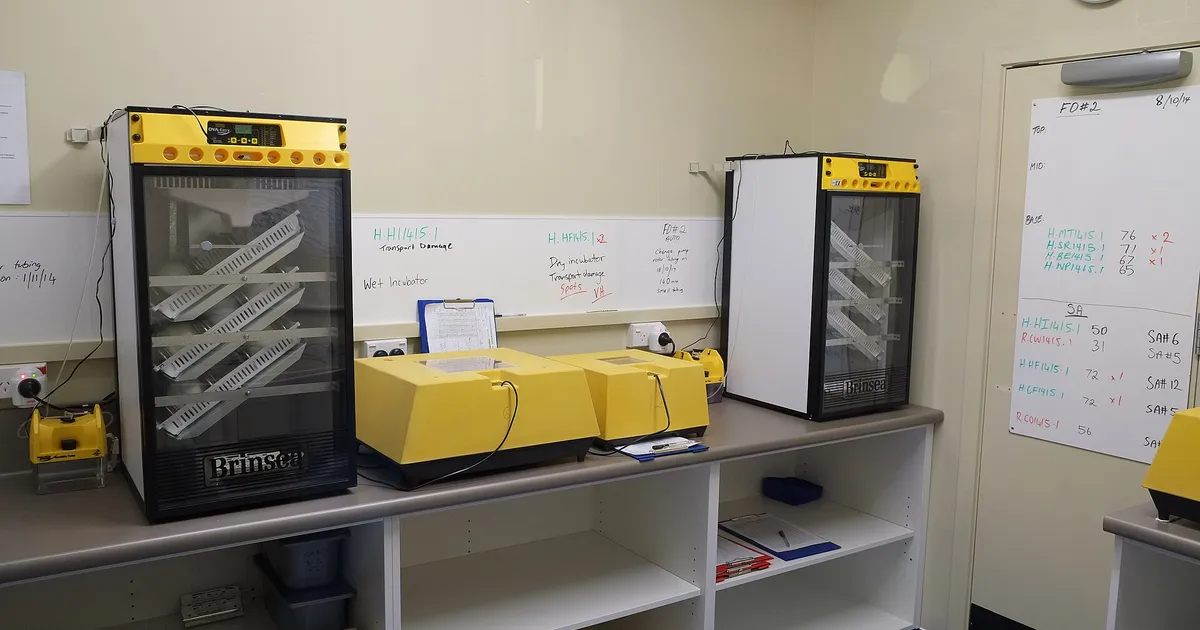
When the power goes, the first and most important rule is: do not open the incubator lid. A closed machine holds its heat like a blanket; every opening lets the remaining warm air escape at once. The large mass of eggs loses heat slowly — with the lid closed, the temperature drops only a few degrees per hour.
The embryo tolerates short-term cooling well. An outage of a few hours usually doesn't seriously affect the hatch rate; it may only delay the hatch by a few hours. The real dangers are long, repeated outages and high temperature — an embryo withstands overheating far less than cold.
What to Do During the Outage
- Keep the lid closed. Don't keep checking the temperature and humidity out of worry; every look speeds up heat loss.
- Insulate the machine. If the outage drags on, wrap the top and sides of the incubator with a blanket, towel or thick cover (without blocking the vents). This noticeably slows heat loss.
- Warm the room. If possible, keep the room the machine is in warm with a non-electric source such as a gas or wood stove. The warmer the room, the slower the machine cools.
- Add a hot-water bottle (for long outages). If the outage will last hours, fill capped plastic bottles with warm water (~40-45 °C) and place them inside the machine, not touching the eggs. The bottles release heat slowly and brake the temperature drop; swap them as they cool.
- Don't worry about humidity. In a short outage humidity is not your priority; the water channels keep evaporating anyway. The only thing to focus on is preserving heat.
A Long Outage: Decide by the Day of Incubation
If the outage will last hours, the best strategy depends on how far the embryo has developed. In the first two weeks the embryo produces almost no heat of its own; it is surprisingly tolerant of cold and all but pauses its development when the temperature drops. After day 14, the embryo starts generating its own heat through metabolism; the machine cools more slowly, but its need for warmth also rises.
Here is the counter-intuitive part: the real danger is neither full warmth nor real cold — it is hours of lukewarm, in-between temperature. If the eggs sit for a long time in a middle band such as 27-35 °C, the embryo develops abnormally. So the rule is clear: either hold the temperature near target, or bring it right down; don't leave it in between.
- First two weeks, very long outage: Rather than fighting to keep the machine warm (the hot-water-bottle method above), moving the eggs to a cool spot at ~5-20 °C (a cool room, a cellar, or even the refrigerator) safely pauses development and is often the safer choice — just as hatching eggs are stored cool before incubation. When power returns, put the eggs back and bring them up to normal gradually.
- After day 14, long outage: Do the opposite. Because the embryos make their own heat, keep the machine closed and insulated and focus on warming the room; cooling is not the right move this late.
When Power Returns: Slow, Calm Recovery
- Run the machine normally and let the temperature return to target (37.5-37.8 °C) at its own pace. To close the gap faster, never set the thermostat above target — overheating kills the embryo in minutes; cold is tolerated for hours, heat is not.
- If you added hot-water bottles, remove them once the machine starts warming; otherwise excess heat builds up.
- If humidity dropped, bring it back gradually by adding warm water.
- After a few hours you can candle to check the embryos are still moving — but don't rush right after the outage; the embryo needs time to recover.
How Long Is Too Long?
| Outage length | Expected effect |
|---|---|
| 0-2 hours | Low risk; with the lid closed most eggs are unaffected, hatch delayed a few hours at most |
| 2-6 hours | Moderate risk; if heat is preserved and recovery is soon most embryos survive, hatch rate may dip slightly |
| 6-12 hours | Significant risk; hatch rate can fall, some embryos may be lost, survivors may hatch late or weak |
| 12+ hours | High risk; serious loss is likely, especially late in incubation — still don't give up, check by candling |
These ranges assume an insulated, unopened machine and a mild room; in a cold room with the lid opened repeatedly, the machine reaches critical levels much faster. The hours are a rough guide, not a hard line: an early embryo withstands cold longer, while one near hatching is more sensitive to heat loss. However many hours pass, only hatch day and candling reveal the real outcome — don't give up early and throw the eggs out.
Preparing in Advance
- Uninterruptible power supply (UPS): Small tabletop machines draw little power; a UPS sold for computers can run most incubators for hours through short-to-medium outages. It's the most practical and quiet solution.
- Inverter + battery: Where long outages are a risk, a deep-cycle battery and inverter power the machine far longer.
- Generator: For breeders with frequent, long outages; it can also power devices that heat the room along with the machine.
- Choose the location in advance: Set the machine up in a thick-walled, stable-temperature interior space; avoid windowsills, garages or north-facing spots exposed to temperature swings.
- Keep the thermometer independent. When the power cuts, the machine's display goes dark too; a battery-powered, independent digital thermometer-hygrometer lets you see inside throughout the outage.
A Consolation from Nature
As stressful as a power cut is in artificial incubation, it helps to remember that natural incubation goes through this every day: a broody hen gets off the eggs once or twice a day to feed, and the eggs cool to room temperature meanwhile. The embryo is adapted to these short cooling periods. So an outage of a few hours isn't so different from nature's routine — as long as you preserve heat and don't overheat.
If your hatch after an outage came out lower than expected, you can find the other possible causes in our 10 reasons eggs don't hatch guide. To keep track of your incubation calendar and critical days, you can use the KuluçkaTakip app.
Frequently Asked Questions
Will the eggs die if the power goes out during incubation?
Usually not. A developing embryo tolerates short-term cooling; an outage of a few hours doesn't seriously affect the hatch rate, only delays it a bit. The real dangers are long outages and overheating.
Should I open the incubator lid during a power cut?
No. A closed machine holds heat like a blanket; every opening lets warm air escape at once. Keep the lid closed and don't keep peeking out of worry.
How do I keep the machine warm during a long outage?
Wrap the machine in a blanket/towel (without blocking the vents), keep the room warm with a non-electric source, and fill capped bottles with 40-45 °C warm water placed inside not touching the eggs; swap them as they cool.
Should I raise the temperature quickly when power returns?
No. Never set the thermostat above target (37.5-37.8 °C). Overheating kills the embryo in minutes; cold is tolerated for hours but heat is not. Let the machine return to target at its own pace.
After how many hours should I give up on the eggs?
There is no hard limit. Risk is low up to roughly 2 hours; 2-6 hours is moderate, 6-12 hours is significant, and beyond 12 hours the chance of loss climbs — especially late in incubation. Still, candling and hatch day reveal the real outcome — don't give up early and throw the eggs out.
What can I set up against power outages?
For small machines a computer UPS runs them for hours and is the most practical solution. If long outages are a risk, use an inverter + battery or a generator. Also keep an independent battery-powered thermometer-hygrometer.
Related Articles
Biosecurity in the Coop and Hatchery: A Disease Prevention Guide
Biosecurity in the coop and incubation: a disease prevention guide covering quarantine, access control, rodent and wild-bird control, hatchery hygiene, vaccination and early illness detection.
How to Build a Homemade Incubator: Materials and Step-by-Step Guide
How to build a homemade incubator: step-by-step build with a styrofoam box, bulb, digital thermostat and hygrometer, plus calibration, humidity setup and safety.
Budgerigar Care and Breeding: The Day-by-Day Calendar
The full budgerigar care guide: cage (horizontal bars, the right perch), diet (seed alone kills), sexing by the cere, and — in its most detailed section — the DAY-BY-DAY breeding calendar: eggs laid on alternate days, the hen sitting from the first egg, the first chick hatching on day 18 and the last on day 26 (eight days apart), and how the staggered hatch starves the smallest chick.