Why Aren't My Eggs Hatching? 10 Causes of Hatch Failure and How to Fix Them
The incubation period is over but most of your eggs didn't hatch. This is the most common frustration for new keepers, and it almost always comes down to a few known causes. In this guide we cover the 10 most common reasons for a low hatch rate and a fix for each. For the general process, also see our guide to hatching eggs in an incubator.
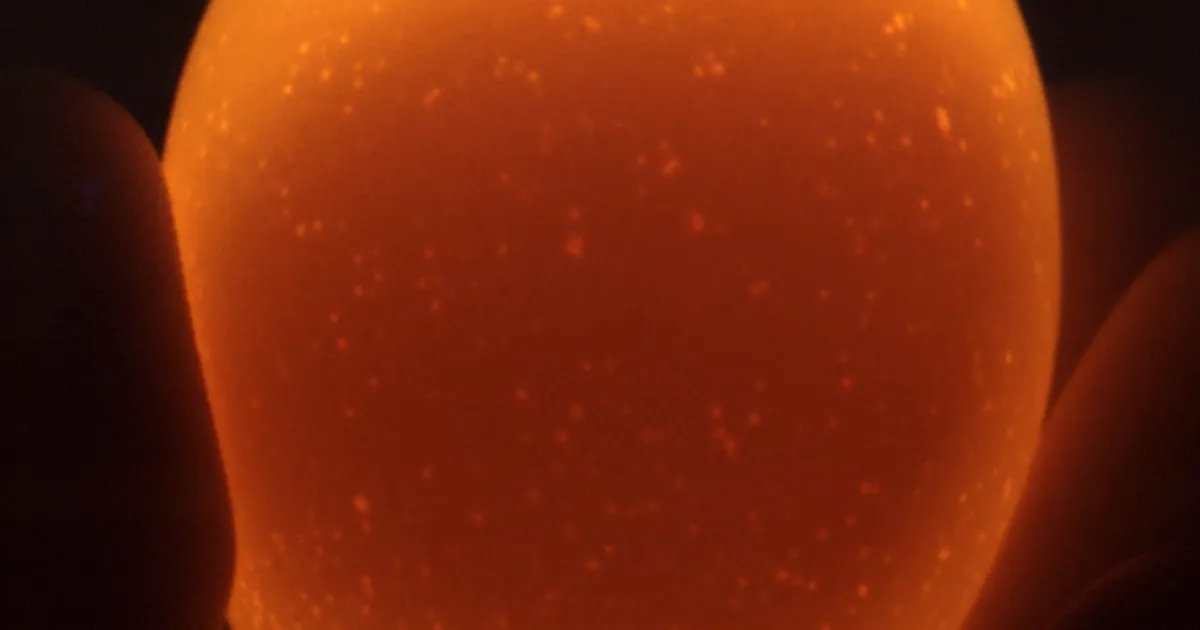
First, Diagnose: What Does Candling Tell You?
Examining the unhatched eggs — by candling, or by opening them outside (not by smell) — shows you the source of the problem:
- Completely clear (empty): The egg was infertile — the problem isn't the incubation but the breeding stock.
- Blood ring: The embryo started developing but died early — usually a temperature or storage issue.
- Fully developed but didn't get out: Late death — usually a humidity, ventilation or turning issue.
Which group dominates tells you which of the causes below to look at.
On Which Day Did the Embryo Die? Diagnosis by Time of Death
Opening the eggs that didn't hatch and looking at how far the embryo developed is the fastest way to narrow down the problem. In commercial hatcheries this is called a breakout analysis. The stage of development tells you which day the death occurred on — and therefore which mistake to look for:
| What you see inside | Estimated day of death | Most likely cause |
|---|---|---|
| Completely clear, no development | Never started | Infertile egg, or an egg that was too old / badly stored |
| A small blood ring or dot | Days 1-3 | Excessively high temperature, jolted eggs, dirty or old eggs |
| Vein network present, embryo the size of a lentil or bean | Days 4-7 | Temperature swings, insufficient turning, storage error |
| Feather follicles clear, embryo fills half the egg | Days 8-14 | Poor ventilation, calibration drift, lid left open too long |
| Fully formed chick, beak not turned towards the shell (malposition) | Days 18-21 | Turning error or eggs set in the wrong position |
| Fully formed, membrane dried and stuck to the chick | Days 19-21 | Low humidity at hatch ("shrink wrap") — opening the lid or letting the water run out |
| Pipped the shell but died, wet or swollen inside | Days 20-21 | Humidity too high at hatch, or vents closed (drowning/suffocation) |
| Chick with an unhealed navel and a swollen belly | Hatch | Temperature too low, or incubation dragged on too long |
Whichever row dominates a batch is the parameter you need to fix. Rather than studying every egg, count them: if 12 of 20 eggs are "clear", the problem is with your breeders, not the incubator; if 12 are "late death, membrane stuck", the problem is hatch humidity.
Causes of Failure and Their Fixes
- Wrong temperature. The most common cause. Too hot kills the embryo early or causes deformed/early hatches; too cold delays the hatch and gives weak chicks. Fix: Target 37.5-37.8 °C in a forced-air machine and verify with an external digital thermometer.
- Wrong humidity. Too high during development keeps the air cell small and the chick drowns inside the shell; too low at hatch dries the membrane onto the chick ("shrink wrap"). Fix: 45-55% in the first stage, 65-70% at hatch (higher for waterfowl). Track the air cell by candling.
- Infertile eggs. If there's no male, he's too old, or the ratio is wrong (too many hens per rooster), the eggs stay clear. Fix: Correct the breeding ratio (about 1 rooster per 8-10 hens for chickens) and use a young, healthy male.
- Insufficient or wrong turning. Too little turning makes the embryo stick to the shell/membrane. Continuing to turn after lockdown is also fatal. Fix: Turn 3-5 times a day (odd number); stop completely at lockdown (day 18 for chickens).
- Old or badly stored eggs. Hatch rates drop noticeably for eggs older than 7 days, stored too warm/cold, or shaken. Fix: Use the freshest eggs you can; store at 12-15 °C, pointed-end down, tilting gently once a day.
- Washing eggs or shell damage. Washing removes the shell's natural protective layer (cuticle) and lets microbes in; cracks/thin shells disrupt water loss. Fix: Don't wash eggs, only wipe dry if very dirty; never set cracked eggs.
- Blindly trusting the machine/display. On cheap machines the display can be off by 1-2 °C / 5-10%. Fix: Verify with a separate digital thermometer/hygrometer every batch and calibrate the machine 24 hours beforehand.
- Opening the lid during the hatch period. Opening the lid out of curiosity drops the humidity suddenly and sticks the chick to the shell. Fix: Don't open the lid in the last 3 days (lockdown); watch through the clear lid.
- Poor ventilation. A developing embryo uses oxygen and produces CO2; if the vents are closed it suffocates in the final stage. Fix: Keep the machine's vents open and increase ventilation especially during the hatch period.
- Bacterial contamination / a dirty machine. Dirt left from a previous hatch and exploded eggs spread infection; a burst egg can ruin the whole batch. Fix: Disinfect the machine after every hatch and remove non-developing/smelly eggs early.
Summary
Behind a low hatch there's usually not one "big" mistake but a few small deviations adding up. Three golden rules prevent most problems: correct and verified temperature, stage-appropriate humidity, and not opening the lid at hatch. So you don't lose track of which setting to make on which day next time, the Kuluçka Takip app builds the calendar for your species and reminds you of turn-stop and humidity-raising days. You can check out the app here.
Every failed hatch is actually a source of data: examine the unhatched eggs and note at which stage they died. That record is your best guide for next time. For the basic principles, see our chicken incubation guide.
Frequently Asked Questions
Why aren't my eggs hatching?
The most common causes are wrong temperature/humidity, infertile eggs, insufficient turning, old eggs, poor ventilation and opening the lid during the hatch period. Candle the unhatched eggs to see at which stage they died.
What does it mean if the eggs stayed clear?
An egg that stays completely clear (empty) when candled was infertile; the problem isn't the incubation but the breeding stock. Review the male ratio and his health.
Why did a fully developed chick fail to hatch?
Late death usually points to a humidity, ventilation or turning problem. Often low humidity during the hatch period sticks the chick to the shell.
Can I trust the incubator's display?
Not on its own. On cheap machines the display can be off by 1-2 °C; verify with a separate digital thermometer/hygrometer.
How do I improve my hatch rate?
Use fresh, properly stored eggs, verify temperature and humidity with an external device, stop turning and raise humidity at lockdown, and don't open the lid in the last 3 days.
Related Articles
Staggered Incubation: Setting Eggs on Different Days in One Machine
What is staggered incubation and why does it lower the hatch? The lockdown conflict, hatch mess, the separate hatcher solution and ways to manage with a single machine.
How to Clean and Disinfect an Incubator
Cleaning and disinfecting an incubator: step-by-step cleaning after every batch, safe disinfectants, water channels and post-hatch hygiene. The most easily prevented cause of a low hatch.
Goose Breeds: The Grazing Bird (Embden, Toulouse, Chinese, Pilgrim)
The goose is the only bird in poultry that digests grass: on pasture it takes 80% of its diet from grazing. The Embden, Toulouse, Chinese, African and Pilgrim compared; why goose eggs are seasonal (she does not lay all year), the one breed sexable on hatch day (the Pilgrim), and why the duck's sterile-mulard trap does not exist in geese.