A Chick's First 48 Hours: First Care After Hatch and Common Problems
The 21 days of incubation went well and the chicks hatched — but the job isn't over. The most critical period in a chick's life is the first 48 hours after the hatch. A few right or wrong things done in this short window determine whether the chick grows up healthy or is lost in the first days. This guide explains how to care for a chick in its first 48 hours after hatch, how to teach it its first water and feed, and the most common problems in newly hatched chicks.
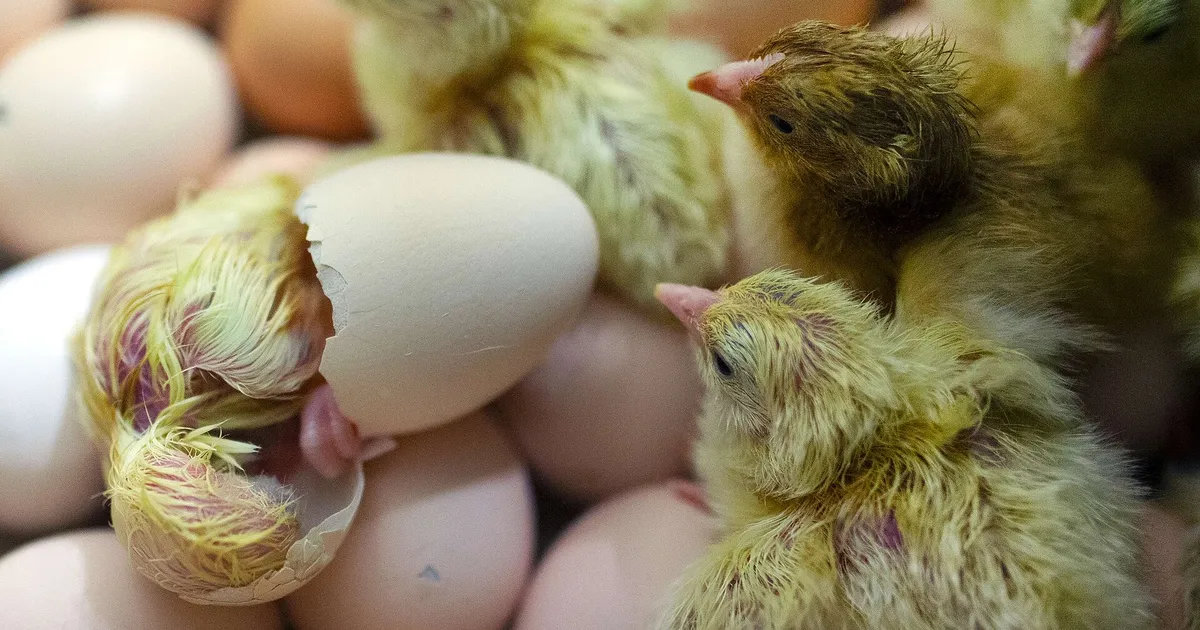
The Yolk Sac: Why It Manages 48 Hours Without Feed
A newly hatched chick is born with the yolk sac it drew into its abdomen. This sac is a natural reserve that feeds the chick and lets it manage without food or water for 24-48 hours after hatch. This is why commercial hatcheries can ship day-old chicks without feed or water. So feeding the chick immediately is not essential; your real priority is to dry and warm it in the machine.
Moving from the Machine to the Brooder
Don't take chicks out of the machine the moment they hatch. Leave them in the machine until their down is fully dry and they are on their feet (usually a few hours); a wet chick chills. Move the dried chicks to a pre-warmed brooder (about 35 °C the first week). The details of hatch day and when to open the machine are in our hatch day guide.
First Water: It Comes Before Feed
When chicks are moved to the brooder, the first thing is water:
- Teach them to drink: Chicks don't instinctively know how to drink; gently dip a few beaks in the water and the others imitate them.
- Lukewarm and shallow: The water should be lukewarm (cold water chills); keep the drinker shallow and add clean pebbles or marbles to prevent drowning.
- Support for stressed/shipped chicks: Adding an electrolyte or a pinch of sugar to the first water of chicks that hatched tired or arrived by post speeds their recovery.
First Feed
Give feed after they've drunk. On the first day, sprinkle the feed on paper over the bedding so the chicks find it easily; move to a feeder after a few days. Use a quality chick starter (18-20% protein for chickens); the protein need differs for waterfowl and game birds (see the relevant species guides). Keep feed and water available at all times.
Heat and Behavior: The Chicks Tell You
The chicks' behavior shows whether the heat is right:
- Huddling under the heat source → they're cold, raise the heat.
- Fleeing to the edges, away from the heat → too hot, lower the heat.
- Spread evenly over the pen, eating and drinking comfortably → the heat is right.
The Most Common Problems in the First Days
- Pasty butt (vent pasting): Droppings stick to the chick's vent and dry, blocking it; untreated it can be fatal. Soften the down with a damp, warm cloth and gently clean off the plug (don't pull). The cause is usually chilling, overheating or stress; balance the heat.
- Splay/spraddle leg: The legs slip out to the sides and the chick can't stand; usually due to a slippery floor. Use non-slip bedding; if it has developed, a soft hobble holding the legs close together can correct it in a few days.
- Unhealed navel / mushy chick: A chick with an unclosed navel or a swollen belly is prone to infection (omphalitis). Keep these chicks separate, clean and warm; hygiene is critical.
- Weak / listless chick: Keep a late-hatched or weak chick warm, dip its beak in water, give sugar/electrolyte water and don't overhandle it; most recover in a few hours.
Shipped or Bought Day-Old Chicks
Day-old chicks that arrive by post or that you bought, rather than hatched yourself, are stressed from the journey. Before trying to feed them right away: move them to a pre-warmed pen, first dip their beaks in warm electrolyte/sugar water, and let them rest. Give feed after they've recovered for an hour or two.
Little Intervention, Much Observation
Don't keep handling and disturbing the chicks in the first 48 hours; frequent handling creates stress. Provide a quiet, warm and safe environment and observe from a distance. It's enough to check that each chick gets on its feet, drinks and eats, and moves comfortably.
The Most Common Mistakes
- Taking a wet chick out of the machine before it dries and chilling it.
- Skipping teaching them to drink (a chick doesn't know how on its own).
- Giving cold or deep water (chilling, drowning).
- Not noticing pasty butt and not cleaning off the plug.
- Rearing on a slippery floor and causing splay leg.
- Constantly handling the chicks and stressing them.
You'll find the whole week-by-week heat, feed and shelter plan after hatch in our brooder guide. To not miss the critical days of incubation and post-hatch, you can use the KuluçkaTakip app.
Sources and verification
Technical values in this article were checked against the university extension sources below. Species- and model-specific instructions from your equipment manufacturer take priority.
- Raising Chickens for Meat — University of Minnesota Extension · accessed 2026-07-26
- Managing Chickens From Chicks to Peak Egg Production — Utah State University Extension · accessed 2026-07-26
Frequently Asked Questions
Should you give feed and water right after a chick hatches?
Not immediately essential. A newly hatched chick manages 24-48 hours without feed or water thanks to the yolk sac it drew into its belly. It should first dry and warm in the machine; once in the brooder, teach water first, then feed.
Does a chick know how to drink?
Not by instinct. Gently dip a few chicks' beaks in lukewarm water; the others learn by imitating them. The water should be lukewarm and shallow, with pebbles in the drinker to prevent drowning.
What is pasty butt and how is it treated?
Droppings stick to the chick's vent and dry, blocking it; untreated it can be fatal. Soften the down with a damp warm cloth and gently clean off the plug (don't pull). The cause is usually chilling, overheating or stress.
What do you do if a chick's legs splay out (splay leg)?
It's usually due to a slippery floor; use non-slip bedding. If it has developed, a soft hobble holding the legs close together can correct it in a few days. Early intervention matters.
What do you do first with day-old chicks that arrive by post?
Move them to a pre-warmed pen, and before trying to feed them right away, dip their beaks in warm electrolyte/sugar water and let them rest. Give feed after they recover for an hour or two.
Related Articles
How to Clean and Disinfect an Incubator
Cleaning and disinfecting an incubator: step-by-step cleaning after every batch, safe disinfectants, water channels and post-hatch hygiene. The most easily prevented cause of a low hatch.
How to Recognize a Broody Hen: The Guide to Hatching Chicks Naturally
How to recognize a broody hen, how many eggs to set under her and how to manage 21 days of natural incubation. Nest setup, post-hatch care and incubator comparison.
Budgerigar Care and Breeding: The Day-by-Day Calendar
The full budgerigar care guide: cage (horizontal bars, the right perch), diet (seed alone kills), sexing by the cere, and — in its most detailed section — the DAY-BY-DAY breeding calendar: eggs laid on alternate days, the hen sitting from the first egg, the first chick hatching on day 18 and the last on day 26 (eight days apart), and how the staggered hatch starves the smallest chick.