Budgerigar Colour Mutations: The Genetics and Predicting Chick Colour
The budgerigar is the best bird for learning colour genetics among cage birds. In the wild it starts from a single colour — light green — yet selective breeding has drawn dozens of colours and patterns out of that one. The elegant part is this: every mutation follows one of three inheritance rules. Once you know which rule a mutation follows, you can predict the colour of a pair's chicks in advance.
This article is the sequel to our budgerigar care and breeding guide: there we explained how to breed the bird; here we explain why the chicks come out the colour they do.
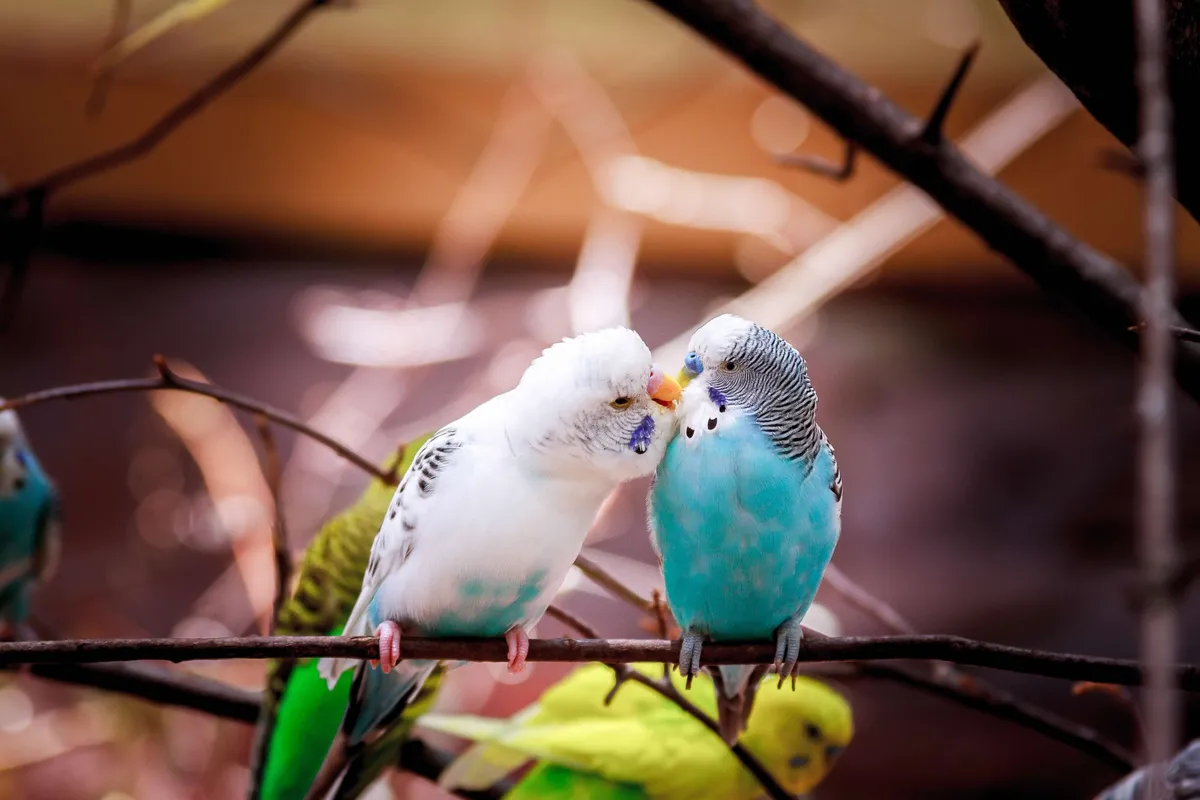
The Starting Point: Light Green
A budgerigar's colour is really just the combination of two pigments and one feather structure:
- Melanin: the black/dark pigment (wing markings, the barring, the throat spots)
- Psittacofulvin: the yellow pigment (the face, the yellow ground of the body)
- Feather structure: the feather's microstructure refracts light to reflect blue
Light green has all three: yellow pigment + blue structural reflection = green, topped by the black wing markings from melanin. Every mutation adds, reduces or removes one of these three components. Remove the yellow pigment and the green bird turns blue; remove the melanin and the markings vanish.
The Three Inheritance Rules
Every mutation falls into one of three groups — and the whole knack is telling the three apart:
| Inheritance type | How it works | Example mutations |
|---|---|---|
| Recessive | To show, the gene must come from both parents | Blue series, recessive pied, fallow, dilute |
| Dominant | One copy from a single parent is enough | Grey, spangle, dominant pied, violet factor |
| Sex-linked | The gene sits on a sex chromosome; the rule differs by sex | Ino (lutino/albino), cinnamon, opaline, lacewing |
To understand the sex-linked group you first need the budgerigar's sex chromosomes — and they are the exact opposite of a mammal's: in birds the male carries two matching chromosomes (ZZ) and the female two different ones (ZW). That reversed arrangement is, as you will see below, the key to the trick of reading sex from colour.
Recessive: The Blue Series
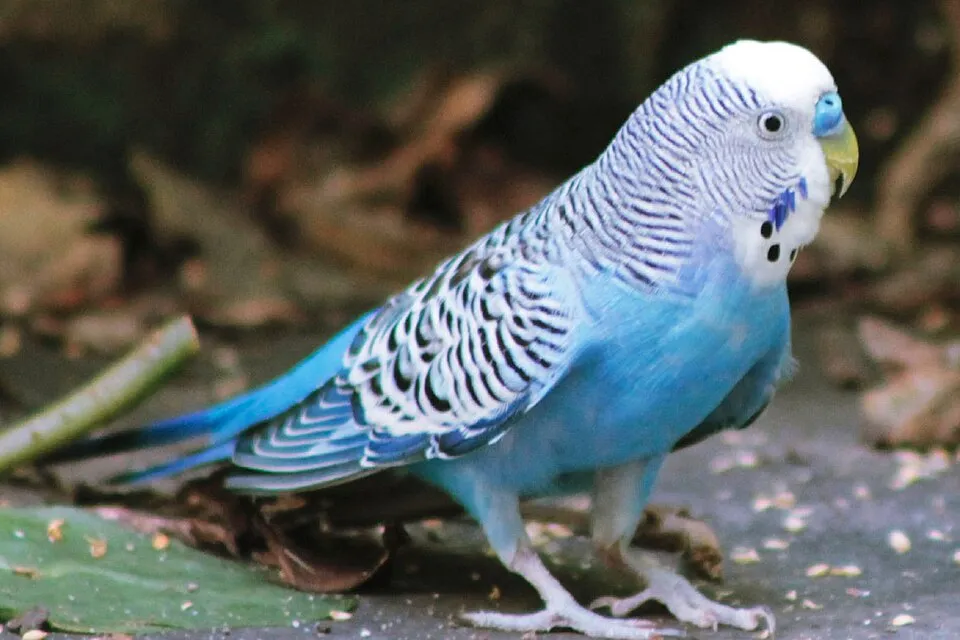
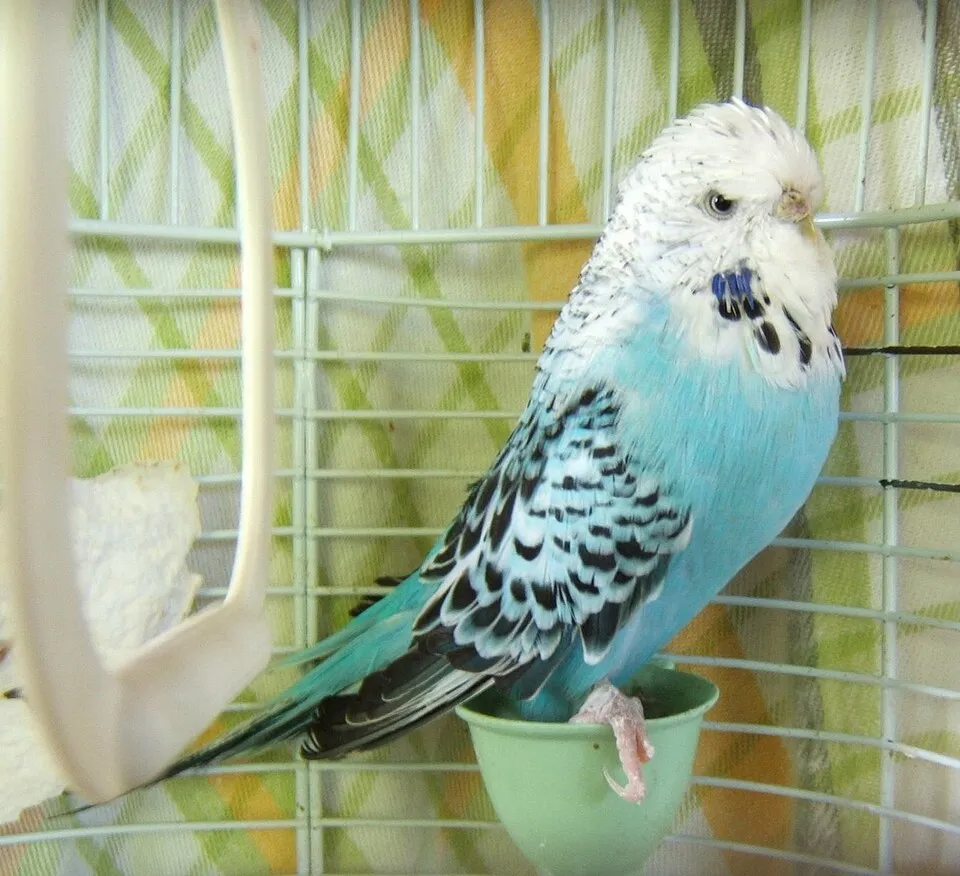
The best-known recessive mutation is the blue series: it removes the yellow psittacofulvin pigment, leaving only the blue structural colour. The green bird turns blue.
Because it is recessive, a blue chick is not easy to get:
- Blue × Blue → all chicks blue
- Green (pure) × Blue → all chicks green but "split for blue"
- Two blue-carrying greens (green × green) → about 25% of chicks blue
That idea of "split" (a carrier) is the heart of all budgerigar genetics: the bird looks green but carries a hidden blue gene. You cannot tell a carrier by looking — only from its pedigree or its chicks.
The Dark Factor: Three Shades of One Colour
The dark factor is semi-dominant: each copy darkens the colour by one shade. So a single mutation produces three shades per series:
| Dark copies | Green series | Blue series |
|---|---|---|
| 0 (none) | Light green | Sky blue |
| 1 copy | Dark green | Cobalt |
| 2 copies | Olive | Mauve |
So "cobalt" and "mauve" are not separate mutations — they are one and two copies of the dark factor riding on top of blue.
Sex-Linked: Reading Sex from Colour
This is the budgerigar's most practical genetic trick. The sex-linked mutations (ino, cinnamon, opaline, lacewing) sit on the sex chromosome. Because the male carries two Zs he can carry one copy hidden (be split); the female carries a single Z — she either shows it or does not, and can never be split.
The result is this powerful rule. In a pairing of a MALE showing a sex-linked mutation × a normal FEMALE:
- All the daughters show the mutation (they inherit the father's Z)
- All the sons look normal but carry the mutation (split)
So among chicks leaving the nest: the coloured ones are female, the normal-looking ones are male. This lets you sex the birds the moment they feather, with no DNA test. We described the chicken equivalent of the same logic under "auto-sexing" in our how to sex chicks article — the ZW system in birds is the shared basis of both tricks.
Note: in the reverse pairing (a mutant female × a normal male) no chick shows the mutation, but all the sons become carriers (split) — which is how you breed carriers for the next generation.
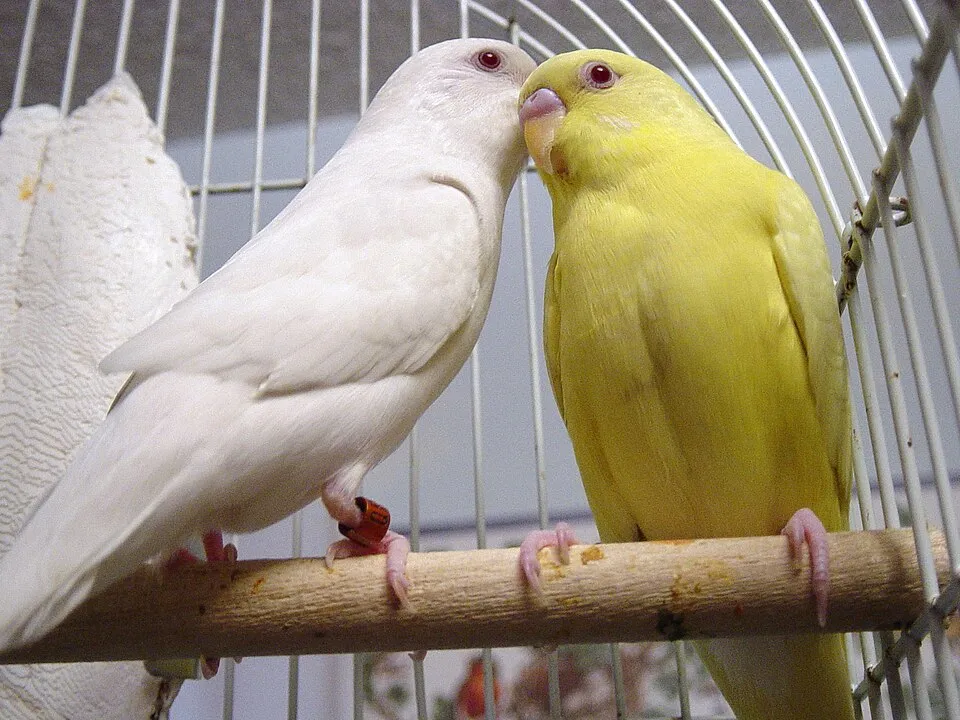
Ino: Lutino and Albino
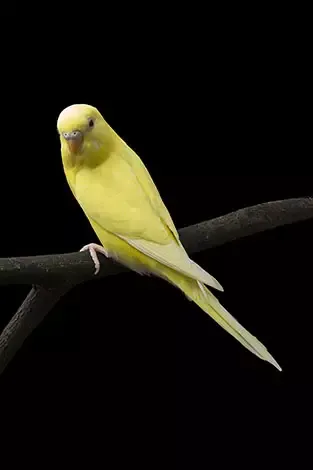
The ino mutation removes all the melanin — no dark markings remain, and the eyes turn red:
- Lutino: ino on the green (yellow) series → all yellow, red-eyed
- Albino: ino on the blue series → all white, red-eyed
Both are the same gene; the only difference is whether the series underneath is yellow (lutino) or blue (albino).
Dominant Mutations
With dominant mutations a single copy is enough — so a parent that shows the mutation passes it directly to some of its chicks:
- Grey: adds grey to the body (grey-green, grey). Dominant; a single grey parent is enough.
- Spangle: reverses the wing markings. In double copy the bird becomes almost entirely yellow/white.
- Dominant pied: irregular clear patches on the body. Unlike the Danish (recessive) pied, it is inherited dominantly.
- Violet factor: a semi-dominant modifier; it gives its most vivid violet on a cobalt ground.
Other Recessive Mutations
- Recessive pied (Danish/harlequin): large clear areas; needs two carriers.
- Fallow: turns the melanin brown and the eye a dark red.
- Dilute / greywing / clearwing: different alleles of one gene series; they reduce the wing and body melanin to different degrees.
Inbreeding for Colour: A Health Warning
To "fix" a particular colour, breeders sometimes pair close relatives. In the short term the colour holds, but over time the risk of inbreeding depression rises: weaker immunity, lower fertility, more chick deaths.
There is also a condition peculiar to the budgerigar, the "feather duster" (chrysanthemum): the feathers grow without stopping, curl, and never form a proper coat; these chicks usually do not survive. It is associated with heavy inbreeding. When maintaining a colour line, bringing in healthy fresh blood from time to time protects both health and pattern. Run your breeding decisions and pedigree by the logic in our cage-bird breeding article.
Which Colours for Beginners?
If you are breeding for the first time, start with the mutations whose inheritance is easiest to read:
- Blue series: a clean recessive example; you learn the "split" idea here.
- A sex-linked mutation (opaline/lutino): you get to see the read-sex-from-colour trick.
- Grey: the most visible example of dominant inheritance.
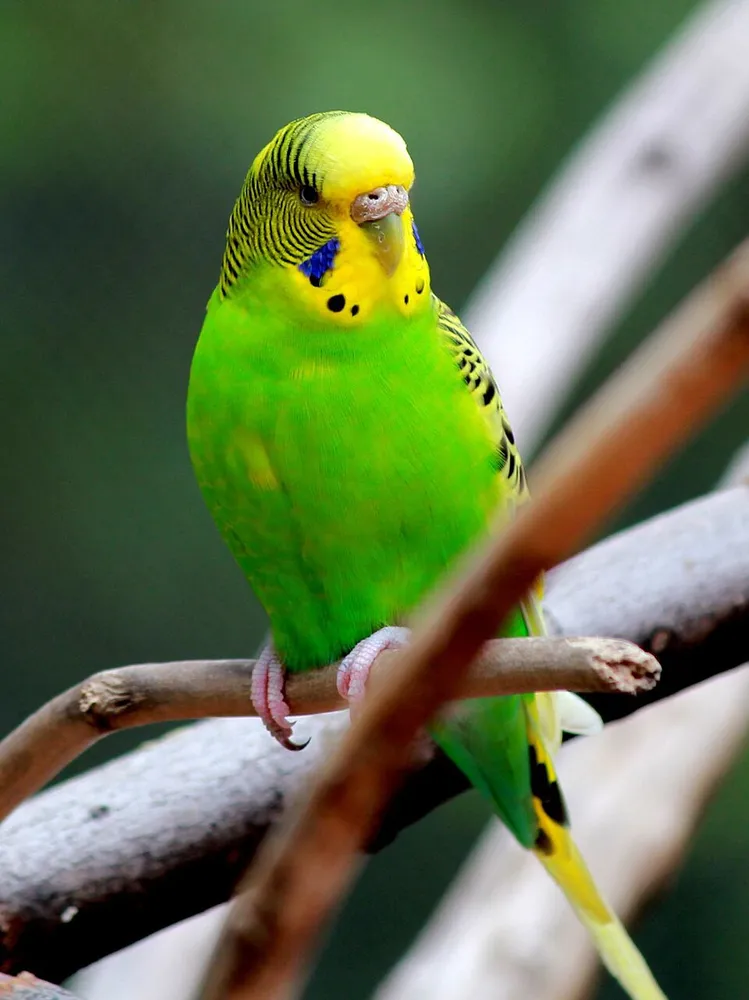
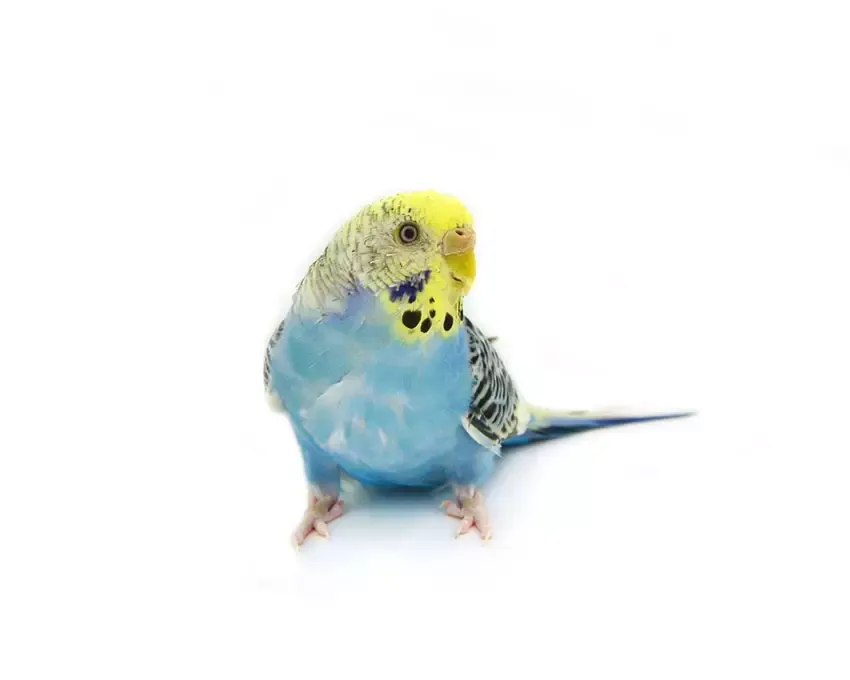
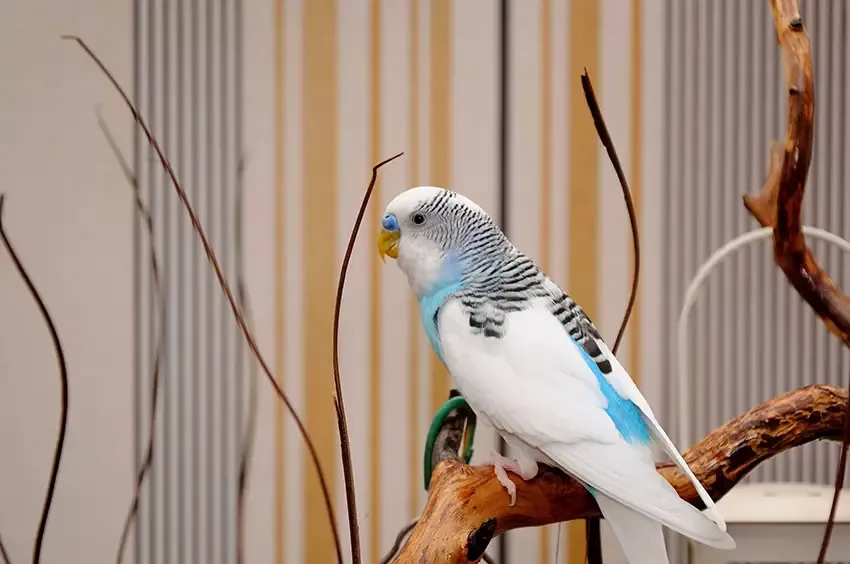
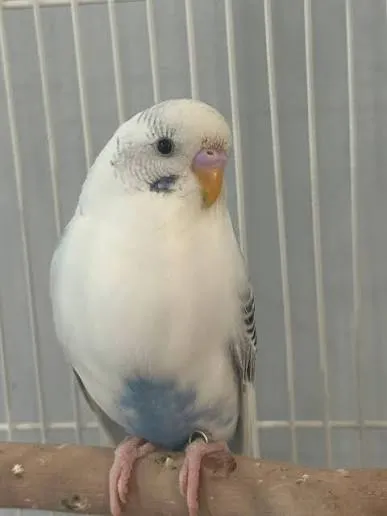
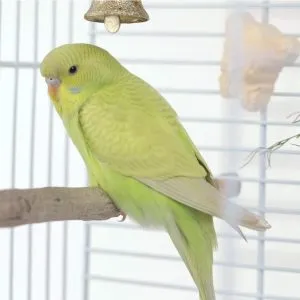
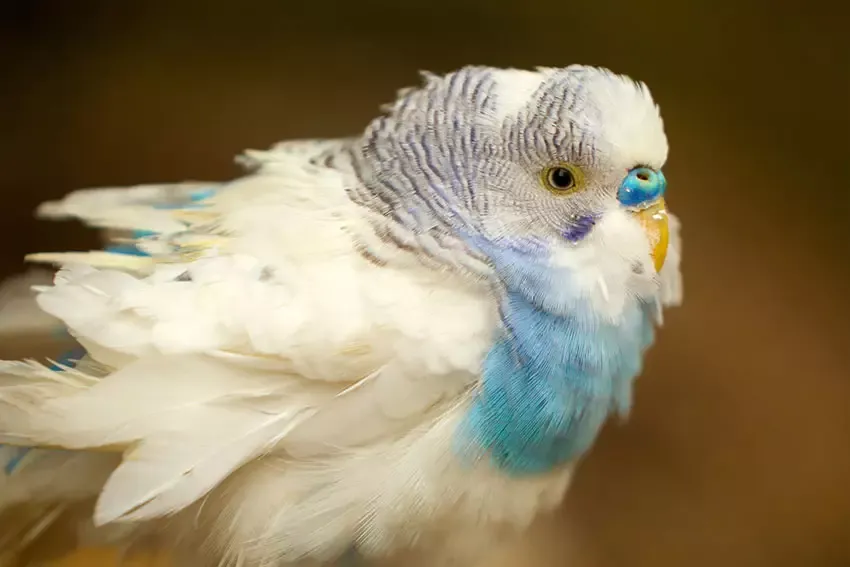
Mutation Gallery: In Photos
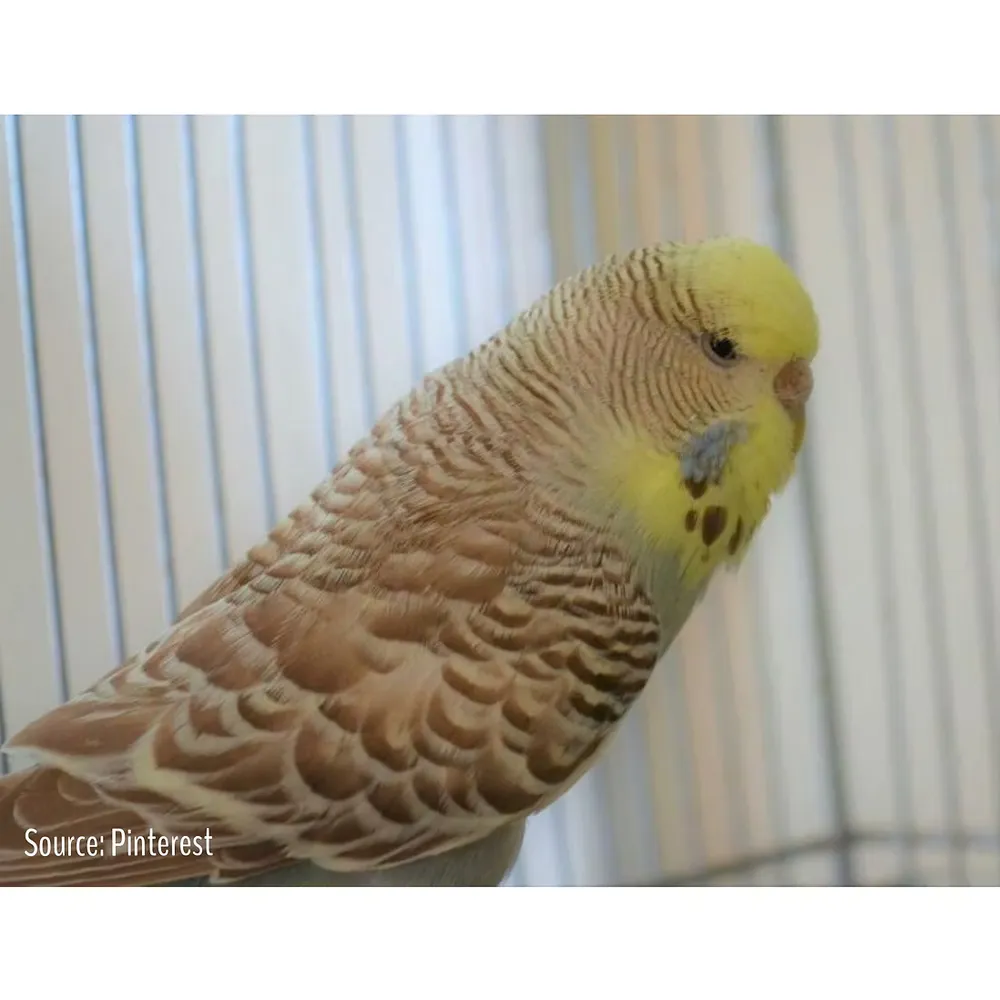
Photos of the main colour mutations discussed above — each with the inheritance group it belongs to.
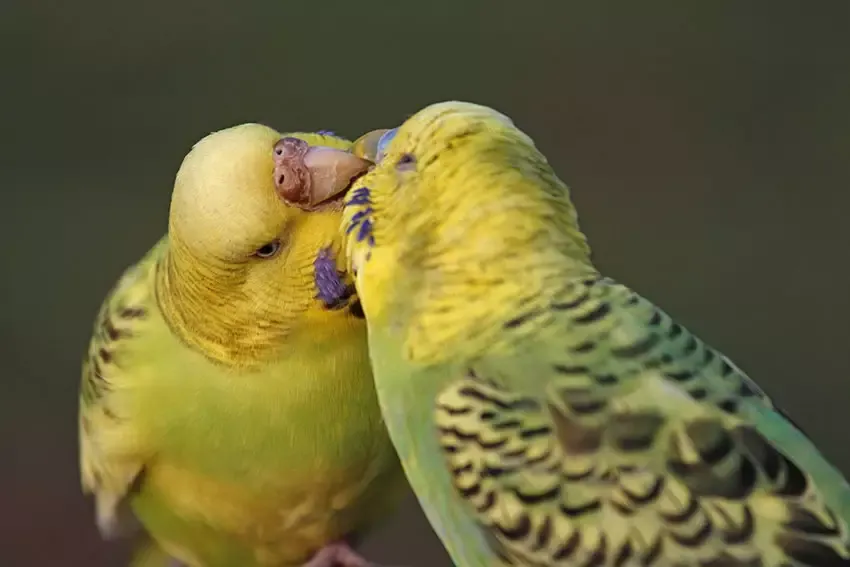
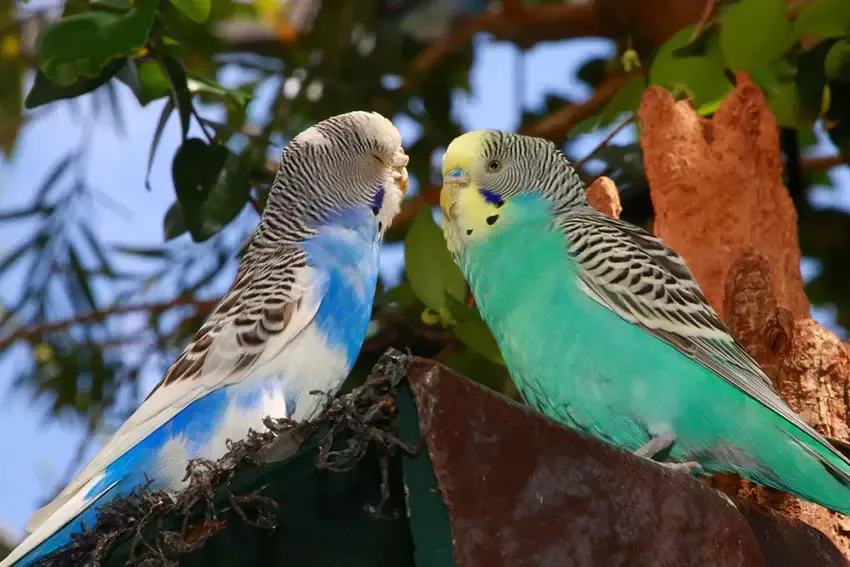
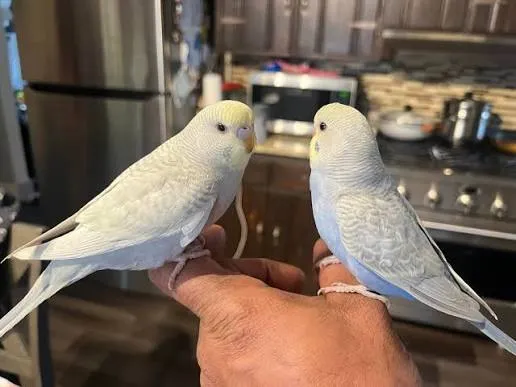
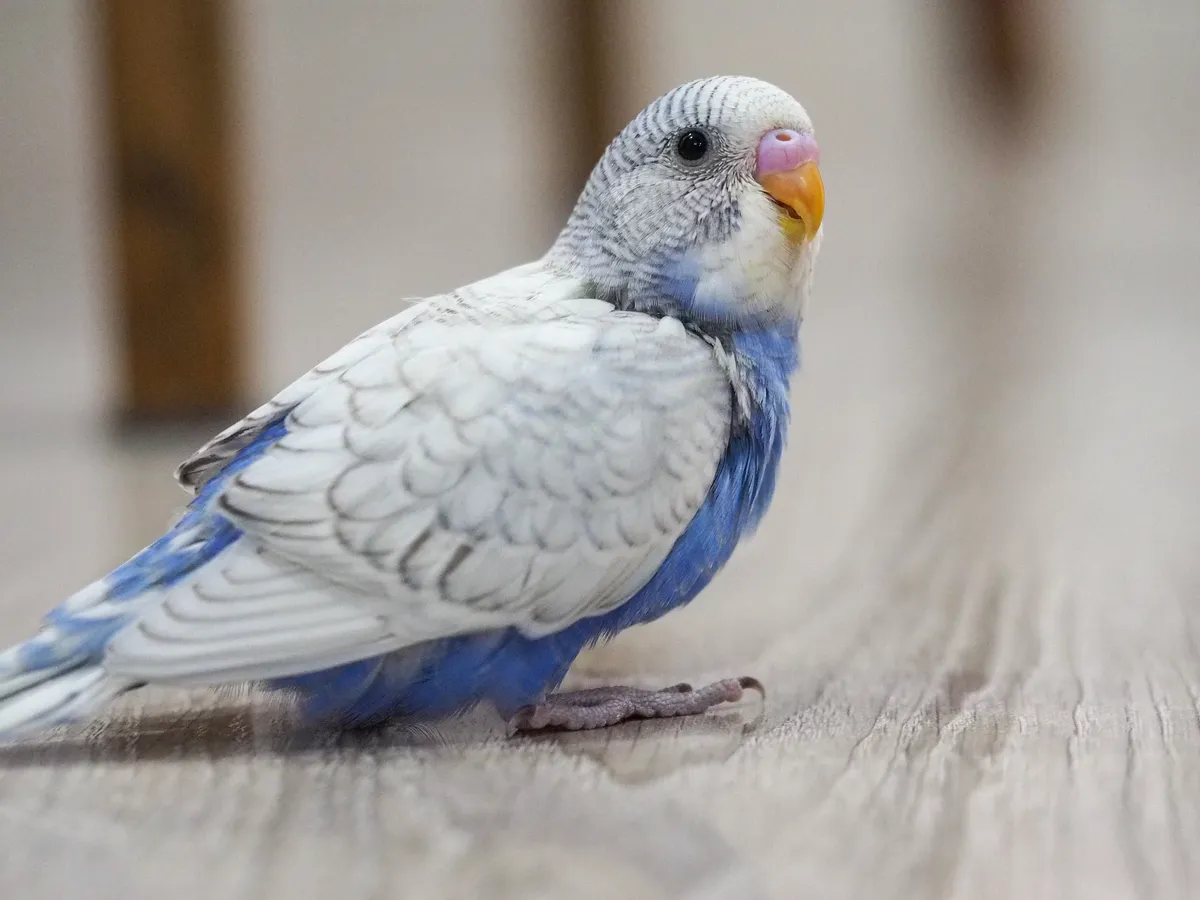
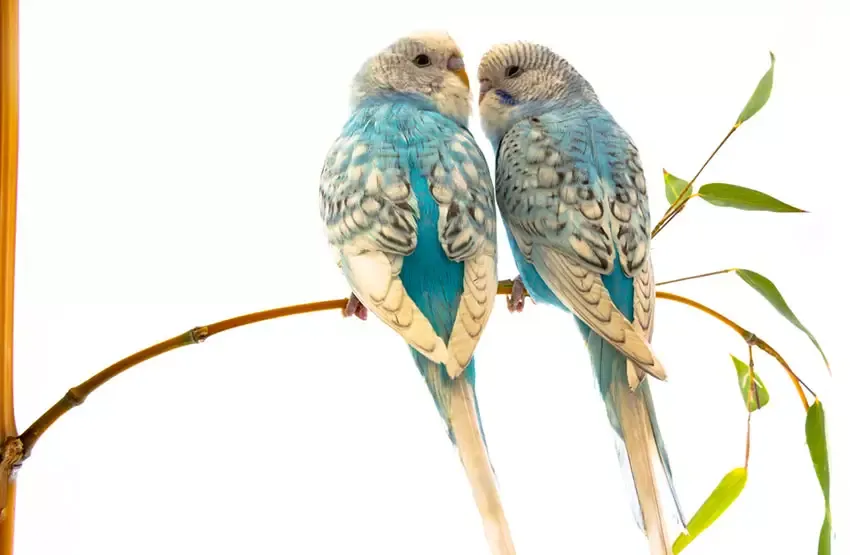
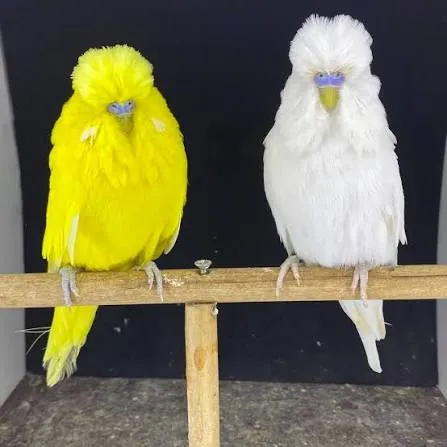
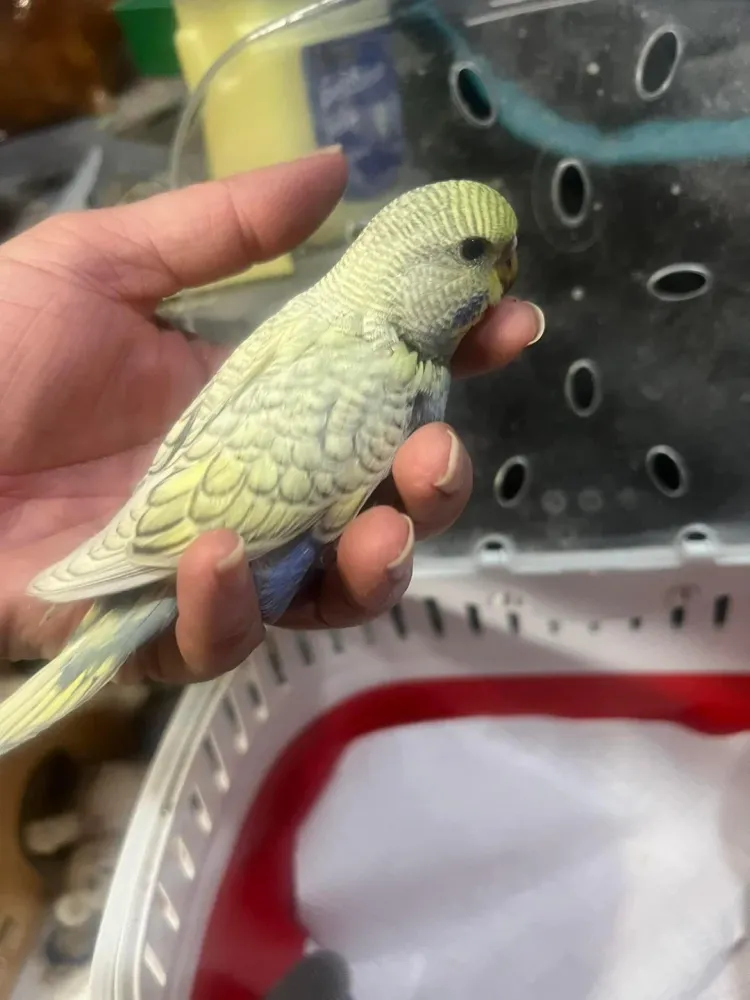
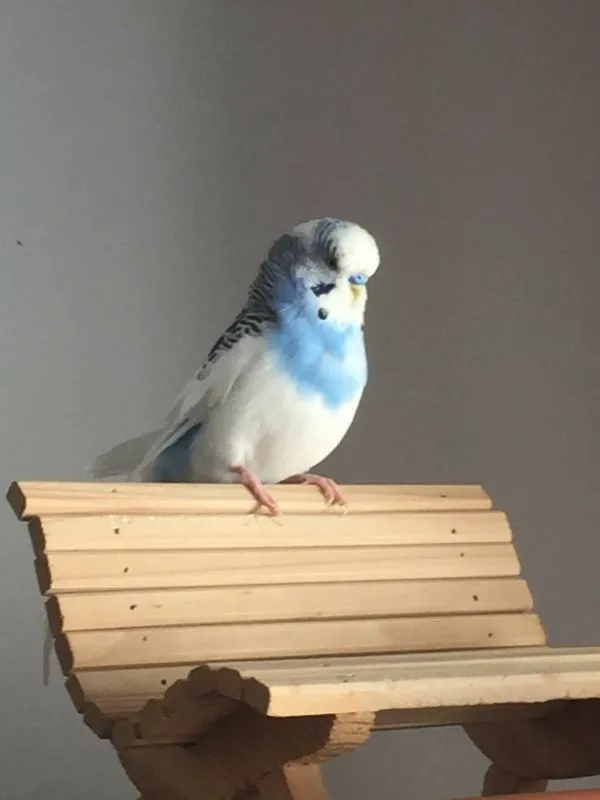
You will find the incubation and nesting process in our cage-bird incubation article; to keep the days and the mating–laying calendar straight, the Kuluçka Takip app sets reminders. You can take a look at the app here.
If the genetics caught your interest, we covered a lethal-gene example in chickens (the ear tuft) in our Araucana blue-egg chicken article — another case of how a single gene in poultry can carry both a colour and a risk.
Frequently Asked Questions
How many colour mutations does the budgerigar have?
There are dozens derived from a single wild colour (green): the blue series, the dark factor (dark green, olive, cobalt, mauve), grey, spangle, pied, ino (lutino/albino), cinnamon, opaline, fallow and more. All of them follow one of three inheritance rules: recessive, dominant or sex-linked.
What colour is the natural (wild) budgerigar?
The wild colour is "light green": a yellow face, a green body, black barred wing markings and blue cheek patches. Green is really the combination of the yellow pigment and the feather's blue structural reflection; every colour derives from this base.
What is a sex-linked mutation, and can I tell sex from colour?
Sex-linked mutations (ino, cinnamon, opaline) sit on the sex chromosome. In birds the male is ZZ and the female ZW. In a pairing of a male showing the mutation × a normal female, all daughters show the mutation and the sons look normal (they carry it). So the coloured chicks leaving the nest are female and the normal ones are male — sexing without a DNA test.
What does "split" (a carrier) mean?
It is a recessive gene the bird does not show but carries hidden inside. For example a bird that looks green may be "split for blue"; paired with a suitable mate it can produce blue chicks. You cannot tell a carrier by looks — only from its pedigree or its chicks.
How do you get a blue budgerigar?
Blue is recessive; to show, the gene must come from both parents. Blue × blue gives all blue chicks. Two blue-carrying greens (green × green) give about 25% blue. A pure green × blue gives no blue chicks, only green carriers.
What is the difference between lutino and albino?
Both are the same ino gene and remove all melanin (red eyes, no markings). The difference is the series underneath: ino on the green (yellow) series is lutino (all yellow), while ino on the blue series is albino (all white).
Is inbreeding for colour harmful?
In the short term it fixes the colour, but over time it carries the risk of inbreeding depression: weak immunity, low fertility, more chick deaths. In budgerigars a condition called "feather duster", where the feathers grow without stopping and the chick usually does not survive, is also linked to heavy inbreeding. You should introduce healthy fresh blood from time to time.
Related Articles
Lovebird Colour Mutations: Blue Is Not One Thing (Parblue)
Lovebird (Agapornis) mutations follow the same three inheritance rules but add two new lessons: blue is not a simple 'present/absent' but the parblue series of several alleles at one locus (blue/aqua/turquoise blend), and mixing species produces fertile hybrids that spoil pure lines. Opaline face colour, sex-linked lutino inheritance, the dark factor and sexing.
Cockatiel Colour Mutations: Why Is Albino Two Genes?
Cockatiel mutations follow the same three inheritance rules but with two twists: some colours are two mutations stacked (albino = whiteface + lutino) and mutations both hide and reveal sex. The sex difference in wild grey, whiteface, how cocks lose the pearl pattern, the lutino bald spot and sex-linked pairing.
Canary Colour Mutations: Two Genes That Kill in Double Dose
The canary is bred in three directions: song, colour, shape. Its most striking feature is two lethal dominant genes: dominant white and the crest kill the embryo in double dose — just like the Araucana ear tuft. The white × yellow and crested × plainhead pairing rule, how the red factor came from the red siskin and colour feeding, and sex-linked melanin mutations.