How Does a Budgie Talk? How to Teach It Words
Pound for pound, the budgerigar is the best talking bird in the world. A budgie named "Puck" holds the Guinness record for the largest vocabulary of any bird, at 1,728 words. But here is the truth: not every budgie talks — whether yours will is decided by a few conditions. This article explains those conditions and the right method.
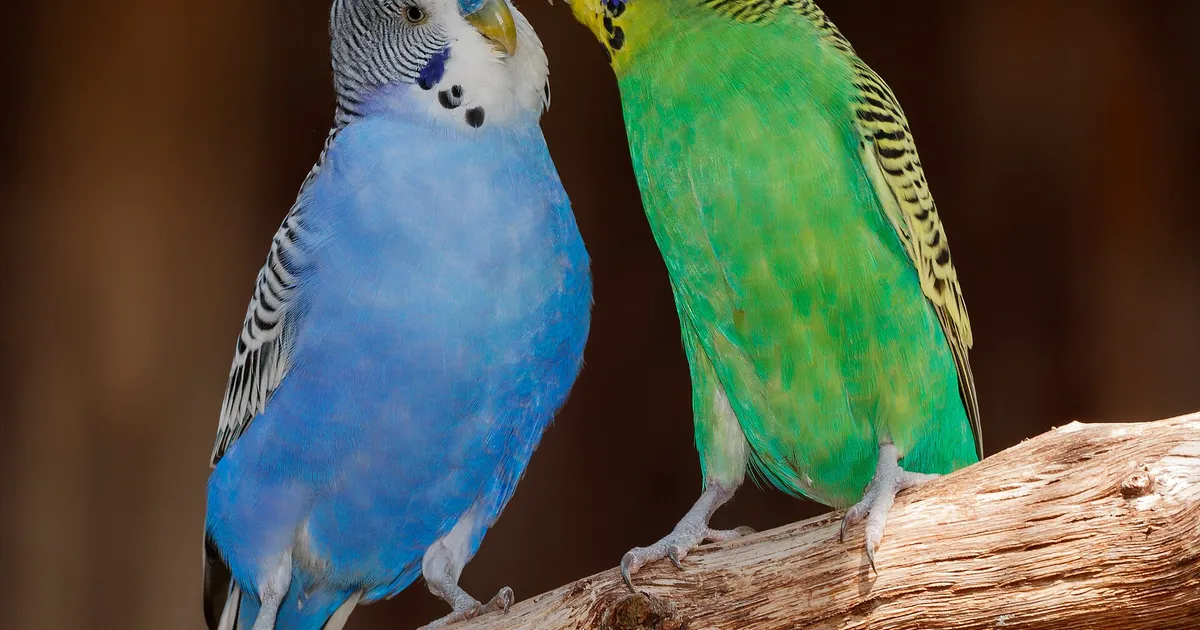
It is a companion to our budgerigar care and breeding guide: there we covered the bird's health and breeding; here we talk about communicating with it.
How Does a Budgie "Talk"?
A budgie has neither lips nor vocal cords like a human's. It produces sound with an organ at the base of the windpipe called the syrinx, shaping it by changing the airflow. So a budgie mimics words — it copies the rhythm and tone of a sound.
Does it understand what it says? Not exactly as a human does — but it is not mere parroting either. A budgie links words to context: if you say "good morning" every time you open the cage in the morning, the bird can learn to associate the sound with that moment. So learning is a mix of mimicry and association.
Which Budgie Talks? The Decisive Factors
What really decides talking ability, before any teaching method, is the bird itself. Four factors stand out:
| Factor | Inclined to talk | Less inclined |
|---|---|---|
| Sex | Cock (talks far better) | Hen (rarely, a few words) |
| Single or paired | Single and hand-tame | Paired/flock (chatters among themselves) |
| Age | Young (after weaning) | Older (can learn, but slowly) |
| Temperament | Calm, bonded to people | Skittish, hard to handle |
The two most important points: if you seriously want talking, choose a young cock and keep him on his own, bonded to you. Birds kept in a pair prefer each other's voices and are not keen to learn human words.
How to Tell the Sex (and a Warning)
In an adult budgie the sex is usually read from the waxy skin above the beak (the cere): bright blue in the cock, brown/tan in the hen. But a warning: some colour mutations spoil the cere colour — for example in ino (lutino/albino) and some pied cocks the cere stays pink-purple and is not reliable. We covered how mutations change the sex clues in our budgerigar colour mutations article.
Teaching Talking, Step by Step
- A calm, one-on-one setting: no television, no other bird, no noise. The bird should focus only on you.
- Start with a single, short word: "hello", or its own name. Repeat the same word, in the same tone, in an upbeat voice.
- Short, frequent sessions: a few times a day for 5-10 minutes beats one long session. Morning, when the bird is liveliest, is best.
- Teach words BEFORE whistles: a whistle is easier than a word; if the bird picks up whistling first, moving on to words gets harder. Words first, then whistling/melody.
- Emotion and reward: when the bird makes a sound, give it attention and answer in a sweet tone. For a budgie the real reward is your attention.
- Recordings help but aren't enough: you can play a short recording of the same word, but leaving it on loop for hours bores the bird and does nothing. It is no substitute for live interaction.
The Mirror Problem
Putting a mirror in with a single budgie is the most common obstacle to talking. The bird takes its reflection for a mate, bonds with it, and loses interest in you; sometimes it develops an obsession with regurgitating to the "mate" in the mirror. If you want talking, remove the mirror and turn the bird's social bond towards you.
"Warbling": The First Sign of Talking
Before a budgie starts to talk, it sings a soft, jumbled warble-song — a muffled babble chirped to itself. This is the moment the bird is practising. You will first hear the words you have taught buried, indistinct, inside this warble. When you hear this sign, be patient; the word will sharpen within a few weeks.
Realistic Expectations
Knowing a few things up front prevents disappointment:
- Not every budgie talks. Even under the right conditions some birds never do — that is not a flaw in the bird.
- It takes time: the first word usually comes after weeks, sometimes months.
- Hens rarely talk; even when they do, it is usually limited to a few words.
- Talking is not a measure of happiness. A budgie that does not talk can be perfectly healthy and happy.
The Welfare Balance: Not Loneliness for the Sake of Talking
There is an important balance here. The budgie is by nature a flock animal; a lone bird kept only to make it talk and then left without attention will be unhappy — it may pluck its feathers and become stressed. A single bird is happy only if you give it plenty of time every day — in which case you become its "flock", and talking grows out of that bond.
If you cannot attend to it through the day, get it a companion (keep a pair) — it will be happy even if it never talks. That matters more than the chance of talking. For nesting, feeding and health see our budgerigar care article; if you are thinking of breeding, see our cage-bird breeding guide.
Frequently Asked Questions
Does every budgie talk?
No. Under the right conditions (young, cock, single and hand-tame) the chance of talking is high but not guaranteed; some birds never talk. That is not a flaw in the bird, and a budgie that does not talk can be perfectly healthy and happy.
Do hen budgies talk?
Rarely. Cocks talk far more and far better than hens. A hen may learn a few words but usually does not speak as clearly or with as large a vocabulary as a cock. If talking matters to you, choose a young cock.
At what age does a budgie start to talk, and when should you teach it?
The most productive time is youth: after weaning, at about 3-4 months, the bird is most open to learning. An older bird can learn too, but more slowly and with more difficulty. Starting early gives an advantage before the bird sets its habits.
How long does it take a budgie to talk?
With regular practice the first word usually comes after weeks, sometimes months. First you hear the bird singing a soft warble-song; the words you have taught appear at first buried inside this warble, then sharpen. Patience and repetition are essential.
Does a mirror stop a budgie from talking?
Yes, it often does. A single bird takes its reflection for a mate and bonds with it, losing interest in you, so it has no urge to learn human words. If you want talking, remove the mirror and turn the bird's social bond towards you.
Should I keep the budgie alone so it talks?
A single hand-tame cock talks better because it sees you as its "flock". But that is true only if you give it plenty of time every day; a lone bird left without attention becomes unhappy and may pluck its feathers. If you cannot attend to it through the day, keep a pair — it will be happy even if it never talks, and that matters more.
Does a budgie understand what it says?
Not exactly as a human does; it mimics the sound with its syrinx. But it is not mere parroting either: it can link words to context (for example saying "hello" when you arrive). So learning is a mix of mimicry and association.
Related Articles
Budgerigar Care and Breeding: The Day-by-Day Calendar
The full budgerigar care guide: cage (horizontal bars, the right perch), diet (seed alone kills), sexing by the cere, and — in its most detailed section — the DAY-BY-DAY breeding calendar: eggs laid on alternate days, the hen sitting from the first egg, the first chick hatching on day 18 and the last on day 26 (eight days apart), and how the staggered hatch starves the smallest chick.
Budgerigar Colour Mutations: The Genetics and Predicting Chick Colour
We explain the budgerigar's dozens of mutations, all derived from one wild colour (green), through three inheritance rules: recessive (blue series, the 'split' idea), dominant (grey, spangle) and sex-linked (lutino/albino, cinnamon, opaline). Reading sex from colour thanks to the ZW sex chromosome, the dark-factor table, and the health risk of inbreeding for colour.
Breeding Cage Birds: Budgies, Canaries, Cockatiels and Lovebirds
Cage-bird chicks hatch naked and blind (altricial): an incubator will hatch the egg, but you cannot feed what comes out. The incubation of all four species, four different ways to sex them (the cere in budgies; in canaries the one that sings is the male; in cockatiel mutations only DNA works), why breeding too young and egg binding kill, and the lethal gene in the dominant white canary.